
The Abbey Yung Method is a science-backed approach to hair care that considers your unique hair type, scalp condition, and porosity to create a personalized routine. Unlike generic routines, this 11-step method adapts to your specific needs—whether you're dealing with damaged hair, color-treated hair, or simply want healthier locks.
This guide walks you through every step with detailed instructions and product recommendations for every budget. Once you understand the method, use our Abbey Yung Routine Builder to get personalized product recommendations for your specific hair type.
What you'll learn
- All 11 steps explained in detail
- How to layer products for maximum effectiveness
- Which steps are essential vs. optional for your hair type
- Budget-friendly and luxury product recommendations
- Professional application techniques
The 11 steps at a glance
| Step | What it does | How often | Need it? |
|---|---|---|---|
| 1. Bond repair | Rebuilds bonds broken by bleach and heat | 1–2× a week | Optional |
| 2. Pre-shampoo oil | Protects lengths from shampoo | 1–2× a week | Dry or damaged hair |
| 3. Clarifying shampoo | Removes buildup and minerals | Weekly, or every 2 weeks if dry | Yes, on a schedule |
| 4. Regular shampoo | Cleans the scalp | Every wash, 2–4× a week | Essential |
| 5. Scalp treatment | Targets flakes, itch, or oil | As the label says | Only if the scalp needs it |
| 6. Conditioner | Gloss, rinse-out, or a weekly mask | Every wash; mask weekly | Essential |
| 7. Post-wash bond repair | Second bond step on damp hair | 1–2× a week | Skip if you already do step 1 |
| 8. Leave-in and heat protectant | Detangles and limits heat damage | Every wash, and before any heat | Essential |
| 9. Styling product | Hold, volume, or definition | When you want a style | Optional |
| 10. Serum, oil, or cream | Shine on the ends | After styling, a small amount | Optional |
| 11. Between washes | Dry shampoo and refresh | On non-wash days | Optional |
How often do you wash your hair in the Abbey Yung method?
Most people wash 2–4 times a week. Match the schedule to the scalp, and use dry shampoo on the days in between. Clarifying shampoo is the weekly reset, not the everyday cleanser.
| Scalp | Wash rhythm | Clarifying shampoo |
|---|---|---|
| Oily | Every 1–2 days | Once a week |
| Normal | Every 2–3 days | Once a week |
| Dry | Every 3–5 days | Every 2 weeks |
| Color-treated | Every 2–4 days | Every 2 weeks, sulfate-free if color fades |
How long does the Abbey Yung method take to work?
A normal wash is about 30–45 minutes. Add a pre-shampoo oil, bond treatment, and mask and it can take 60–90 minutes. Visible change depends on how damaged the hair was.
| When | What you can expect |
|---|---|
| First wash | Cleaner, smoother hair if buildup was the problem. Shine comes from the leave-in and a light serum. |
| 2–4 weeks | Less weight, easier detangling, and a scalp that stays comfortable between washes. |
| 6–12 weeks | Less new breakage on bleached or heat-styled hair. Ends that are already split still need a trim. |
Step 1. Pre-shampoo bond repair treatment
Optional — use 1–2× per week for damaged hair.
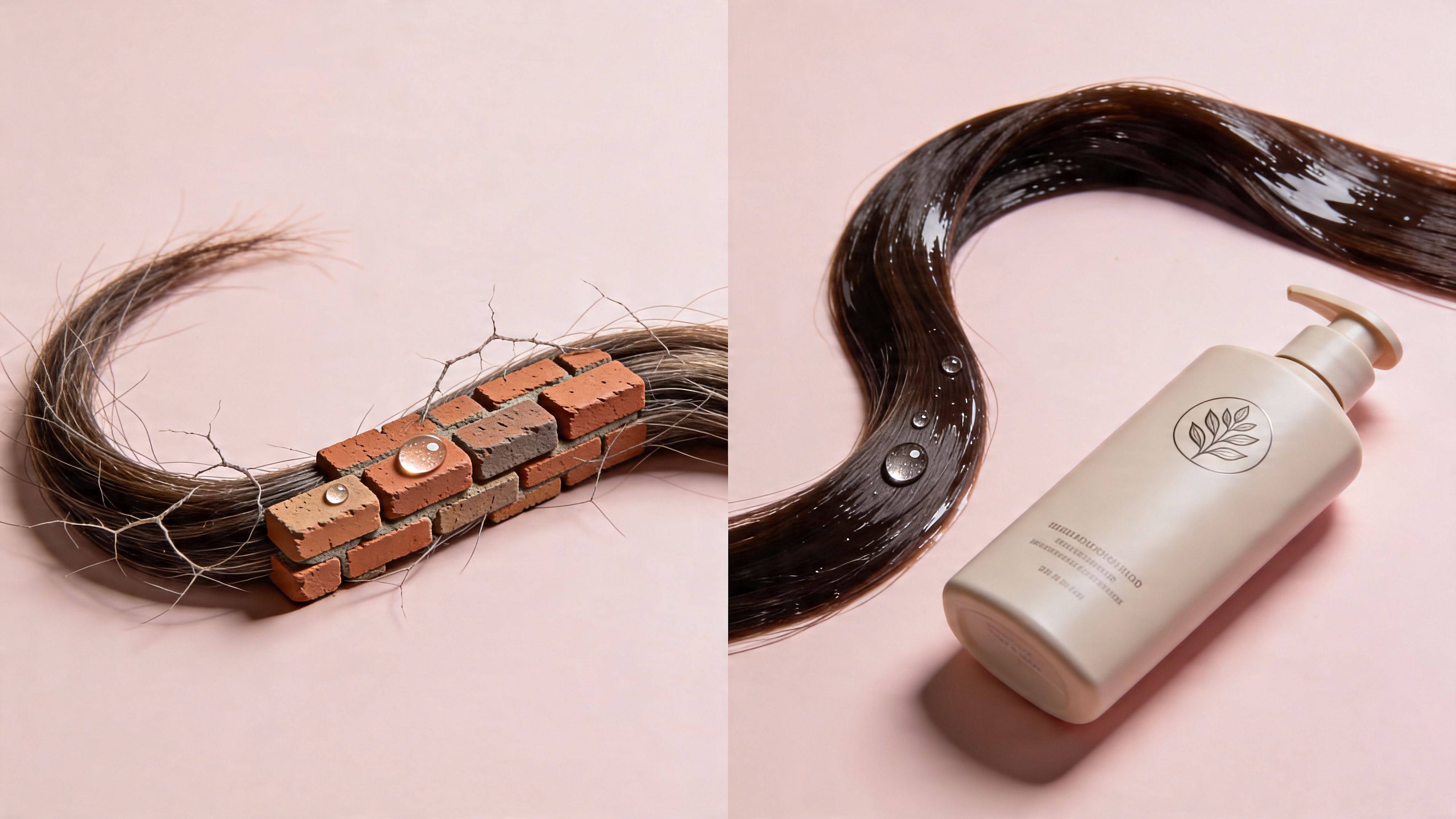
Bond repair treatments like Olaplex, K18, and Epres work at the molecular level to rebuild broken disulfide bonds in the hair shaft. These bonds break from bleaching, coloring, perming, heat styling, and environmental damage.
This step matters most for damaged, bleached, or chemically treated hair. If hair feels weak, breaks easily, or has lost elasticity, bond repair can rebuild the internal structure.
How to use
- Apply to dry or damp hair before washing
- Wait 4–10 minutes, depending on the product
- Use 1–2 times per week for maintenance
- Shampoo as normal — no need to rinse the treatment off first
Budget tip: Drugstore options like Garnier Fructis Hair Filler use similar technology at a fraction of the price.
Recommended products

Epres
~$28
Garnier Fructis
~$8
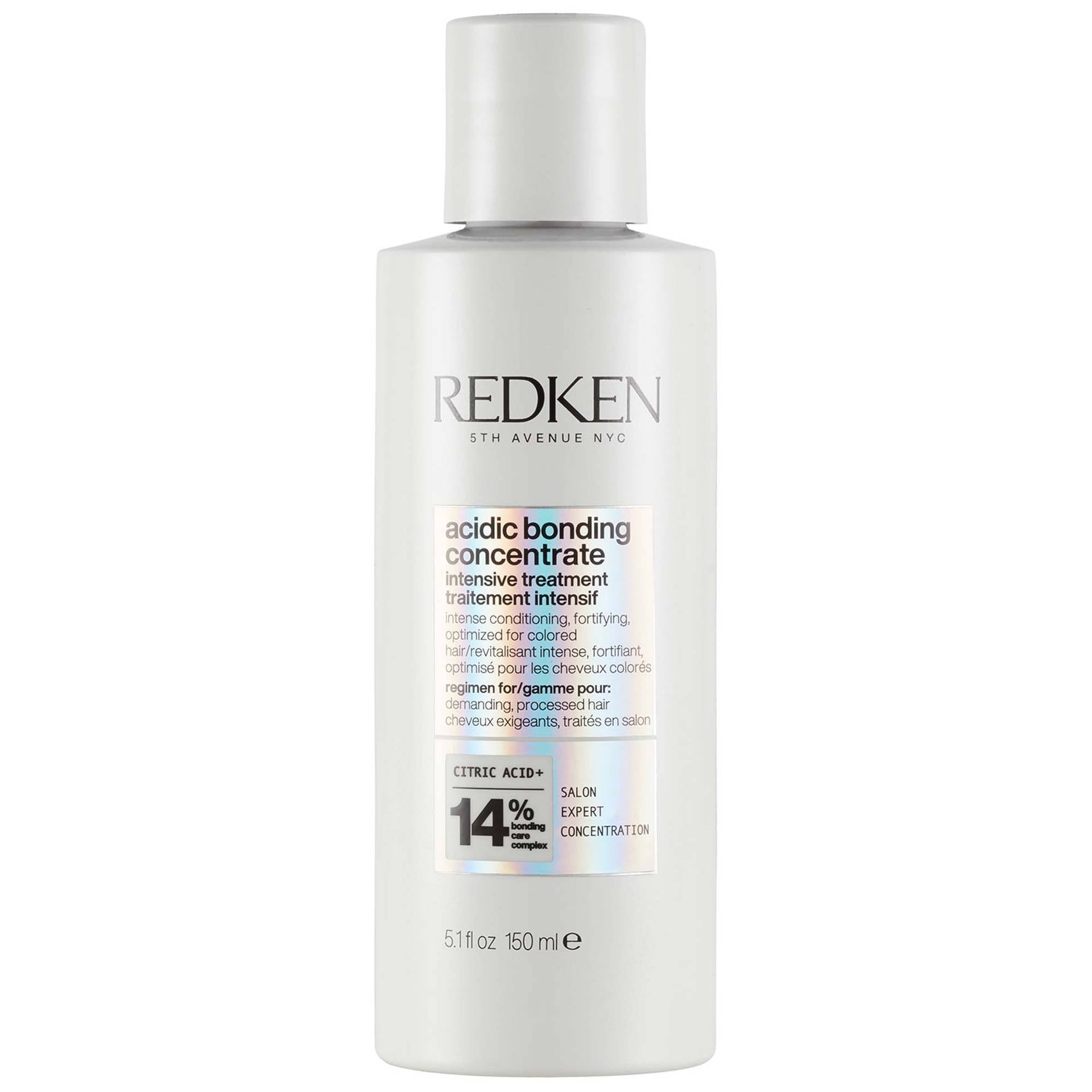
Redken Acidic
~$32
Step 2. Pre-shampoo oil treatment
Recommended 1–2× per week for dry or damaged hair.
The pre-shampoo oil treatment (or “pre-poo”) protects hair from the drying effect of shampoo. It is especially useful for dry hair, high porosity hair, and curly or coily hair.
Coconut oil is the usual pick for this step because it can penetrate the hair shaft and reduce protein loss during washing.
How to use
- Apply coconut oil to dry hair 15–30 minutes before showering
- Focus on mid-lengths to ends (keep it off an oily scalp)
- For deeper penetration, cover with a shower cap and add heat
- Shampoo twice if the oil will not rinse out
Best for: high porosity hair, bleached or color-treated hair, curly and coily hair (type 3–4), very dry or damaged hair.
Use with caution: low porosity hair can feel coated, and very fine hair can feel weighed down.
Recommended products
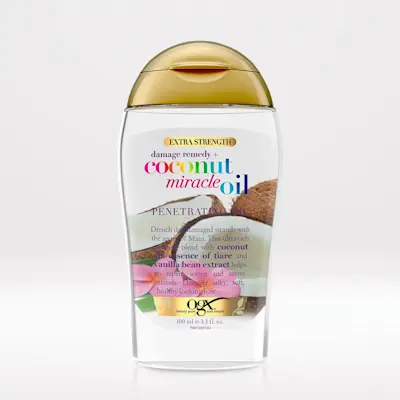
OGX Extra Strength
~$9

OGX Coconut Milk
~$8
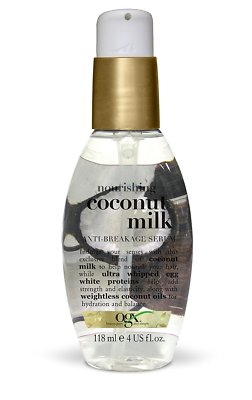
OGX Nourishing
~$10
Step 3. Clarifying shampoo
Weekly deep cleanse to remove buildup.
Clarifying shampoo is the reset. It removes product buildup, hard-water minerals, chlorine, and residue that regular shampoo leaves behind. Even “clean” products build up and make hair look dull and heavy.
Signs you need it: hair feels heavy after washing, products stop working, the color looks dull, the scalp itches, you have hard water, or you use a lot of stylers.
How to use
- Use once a week (every 2 weeks for dry or color-treated hair)
- Focus on the scalp and roots — massage for 1–2 minutes
- Leave it on for 2–3 minutes, then rinse
- Always follow with conditioner — clarifying can be drying
Choose by hair
- Color-treated: sulfate-free formulas (L'Oréal EverPure)
- Hard water: chelating shampoos (L'Oréal Metal Detox)
- Swimmers: chlorine-removing formulas (Ouai Detox)
Warning: do not use it daily. Once a week is enough. Over-clarifying dries out hair and scalp.
Recommended products
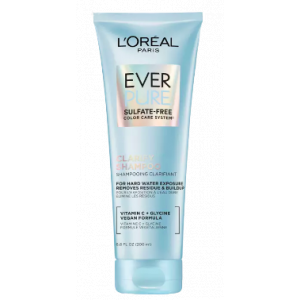
L'Oréal EverPure
~$9

Garnier PureClean
~$6

K18 Prep Detox
~$42
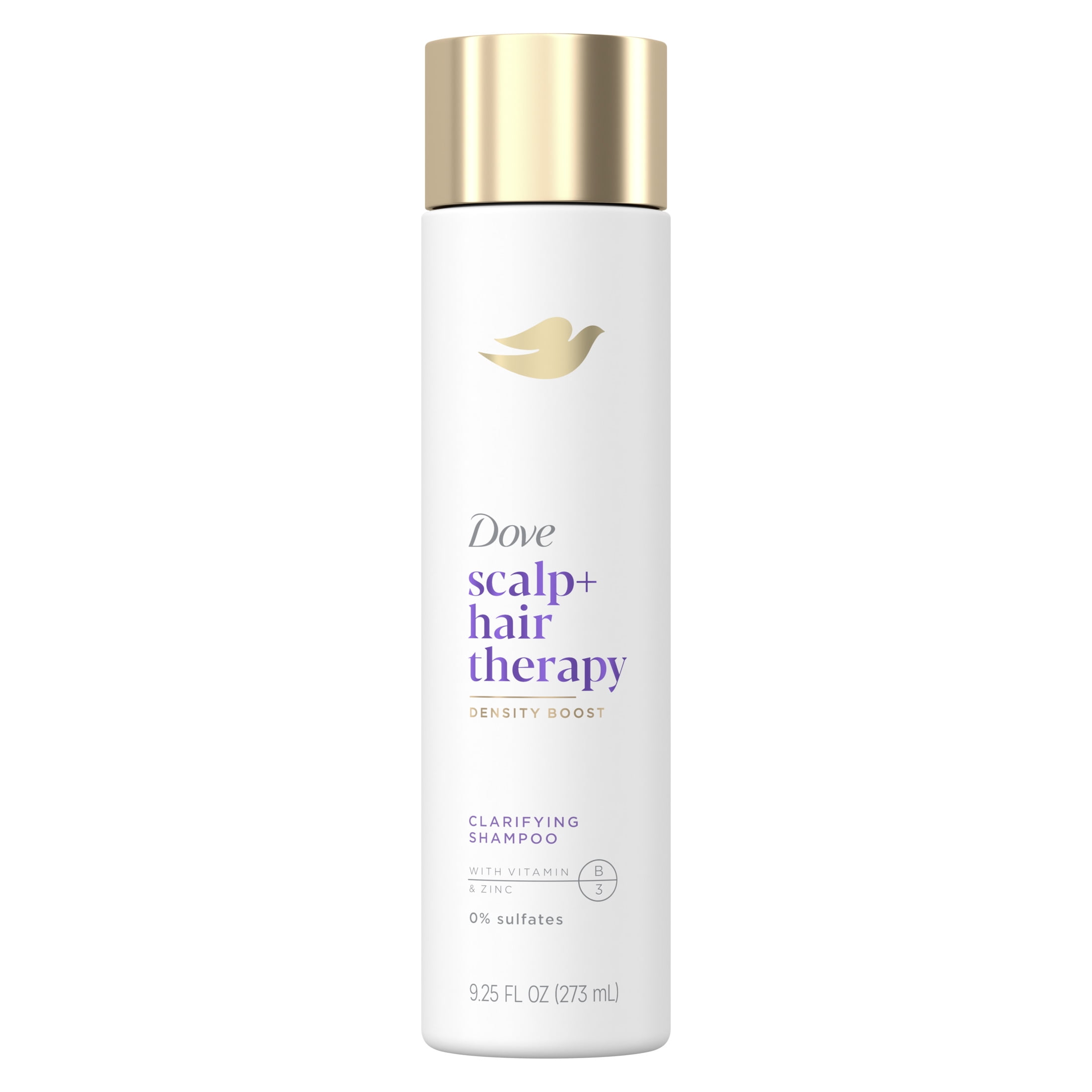
Dove Scalp Therapy
~$8
Step 4. Regular shampoo
Essential — every wash day, usually 2–4× per week.
Your regular shampoo is the foundation. Match it to your scalp, not your curl pattern. Shampoo cleans the scalp. Conditioner cares for the lengths.
Choose by scalp type
- Oily scalp: balancing or purifying shampoos with tea tree, salicylic acid, or charcoal. Wash every 1–2 days.
- Normal scalp: gentle, often sulfate-free formulas. Wash every 2–3 days.
- Dry scalp: moisturizing, creamier shampoos. Avoid sulfates. Wash every 3–5 days.
Technique
- Focus on the scalp, not the lengths
- Massage with fingertips, not nails
- Rinse until the hair stops feeling slippery — leftover shampoo causes buildup
- Double cleanse only if the first wash does not get the roots clean
Note: if hair feels stripped after washing, the shampoo is too harsh. Switch to a gentler formula.
Recommended products

Garnier Fructis Strength
~$7

Tough Love Bonding
~$10
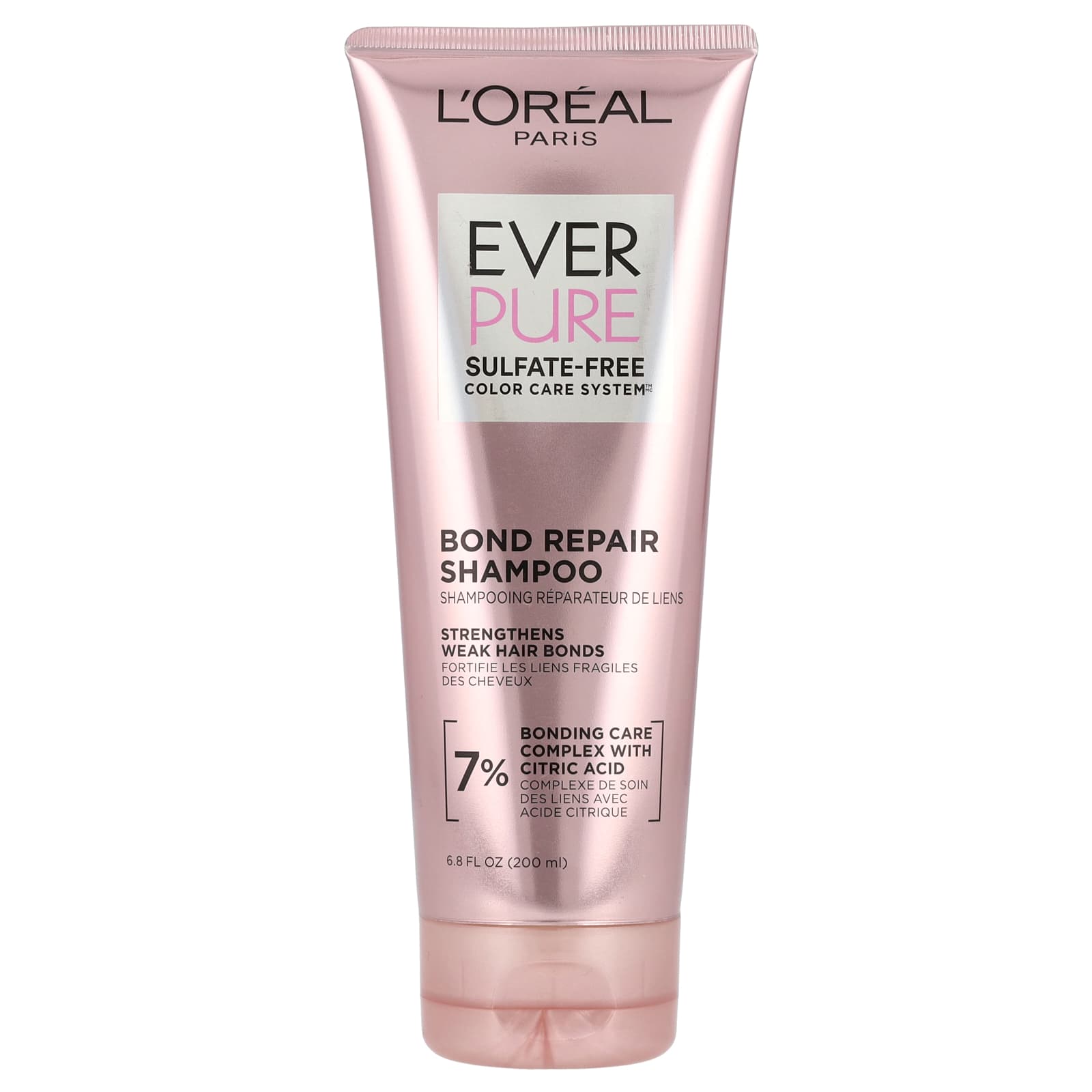
L'Oréal EverPure
~$9
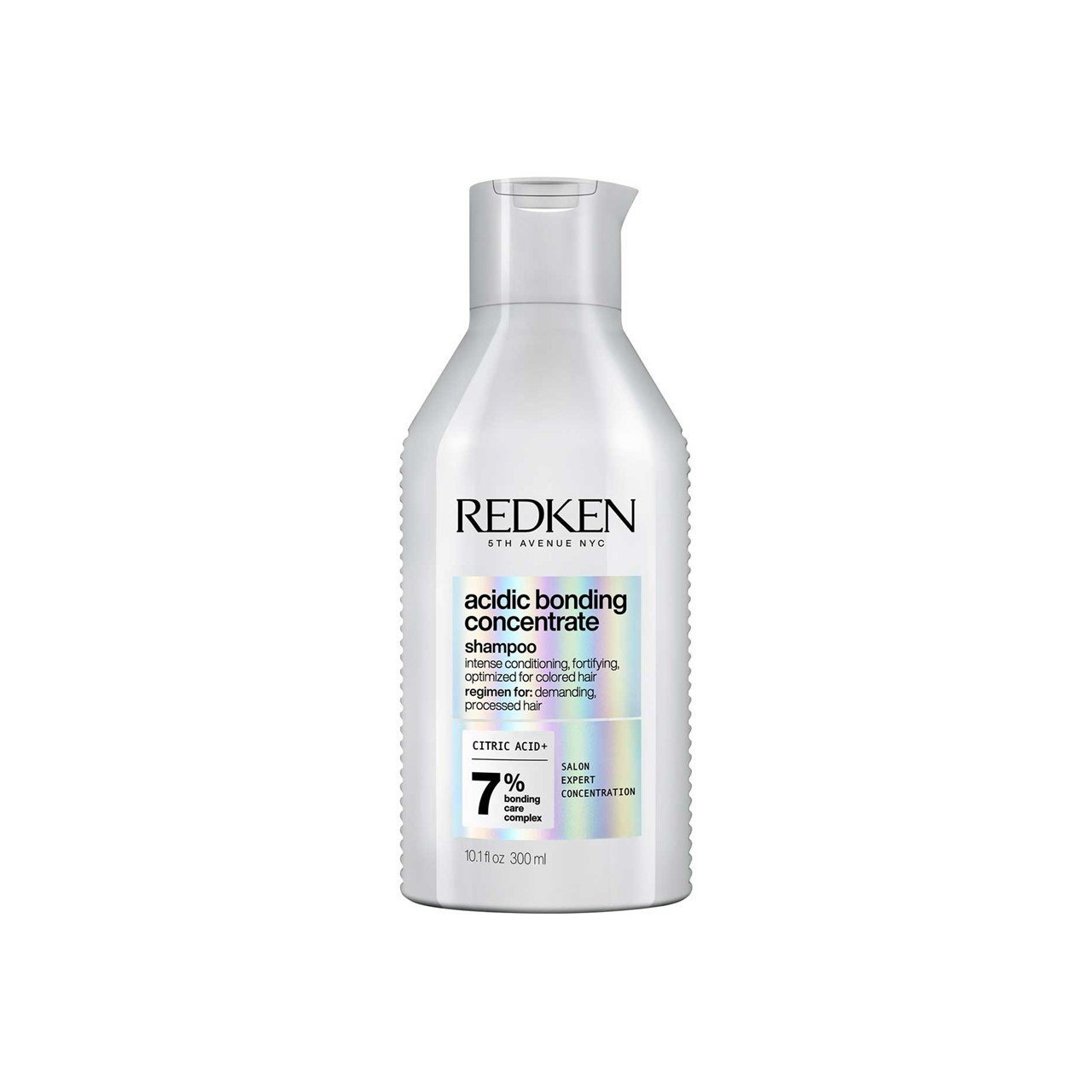
Redken Acidic
~$35
Step 5. Scalp treatment
Optional — only for a specific scalp concern.
Scalp treatments address dandruff, itch, excess oil, dryness, or thinning. Think of them as skincare for the scalp. A comfortable scalp grows more comfortable hair.
Types
- Anti-dandruff: zinc pyrithione, ketoconazole, selenium sulfide
- Soothing: aloe vera, tea tree oil, menthol
- Hair growth: minoxidil, caffeine, rosemary oil, peptides
- Exfoliating: salicylic acid, glycolic acid
How to apply
- Apply after shampooing, on a clean scalp
- Part the hair and put product on the skin, not the lengths
- Massage for 1–2 minutes
- Leave it on 5–10 minutes, then rinse if the label says to rinse
Recommended products
Garnier Hair Filler
~$8
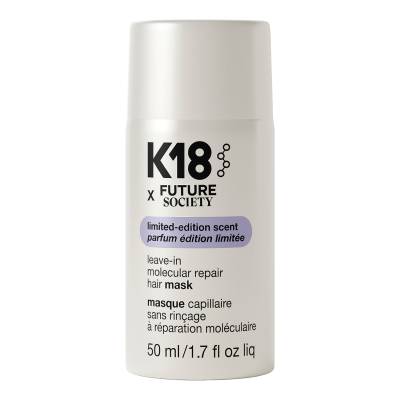
K18 Molecular Mask
~$75
Redken Acidic Leave-In
~$32
Step 6. Conditioning
Essential — every wash includes at least one of these.
Conditioning puts moisture back, smooths the cuticle, and makes hair easier to detangle. This step splits into three. Most wash days only need 6B.
6A. Glosses, for instant shine
Lightweight shine for fine hair.
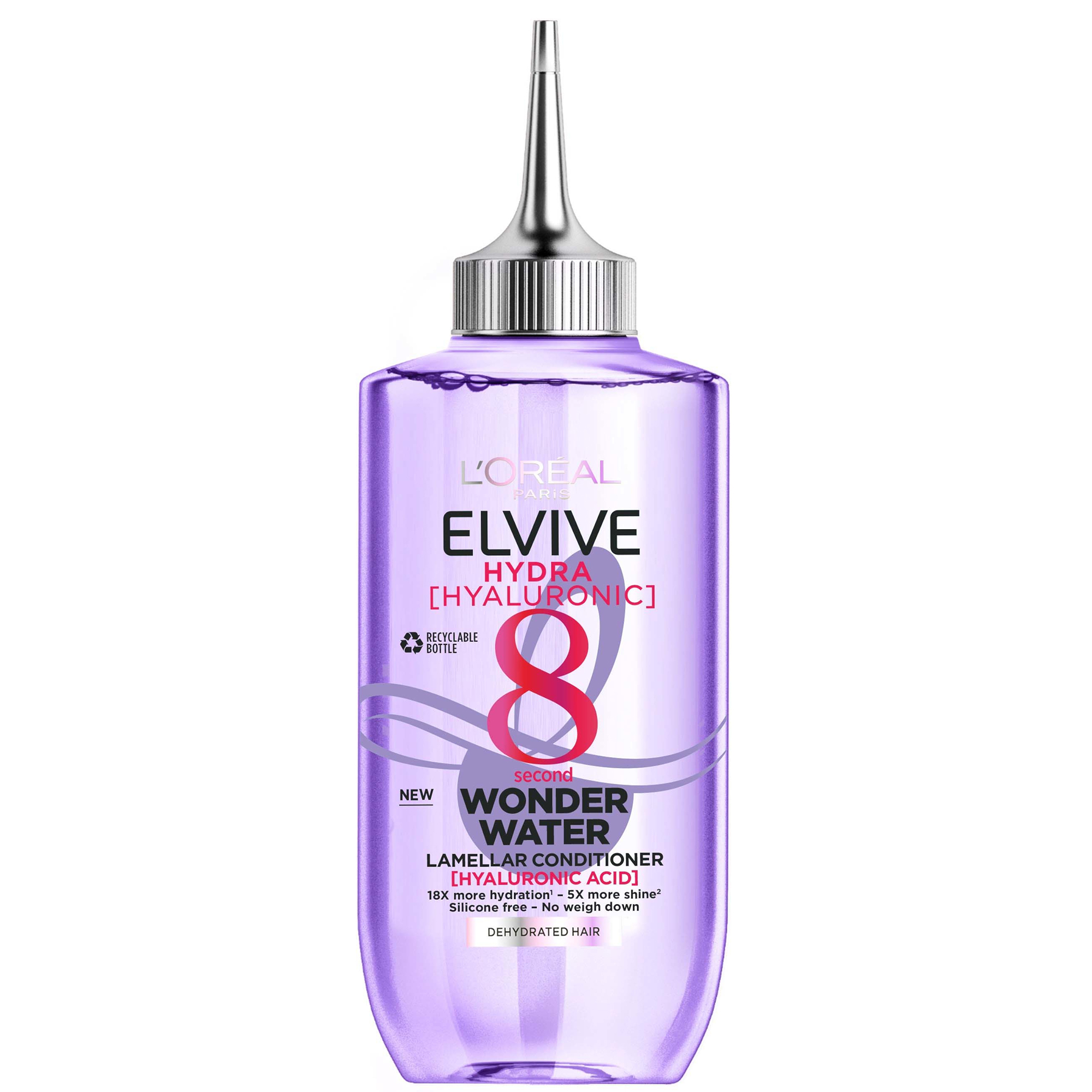
L'Oréal Wonder Water
~$10

L'Oréal Lamination
~$12
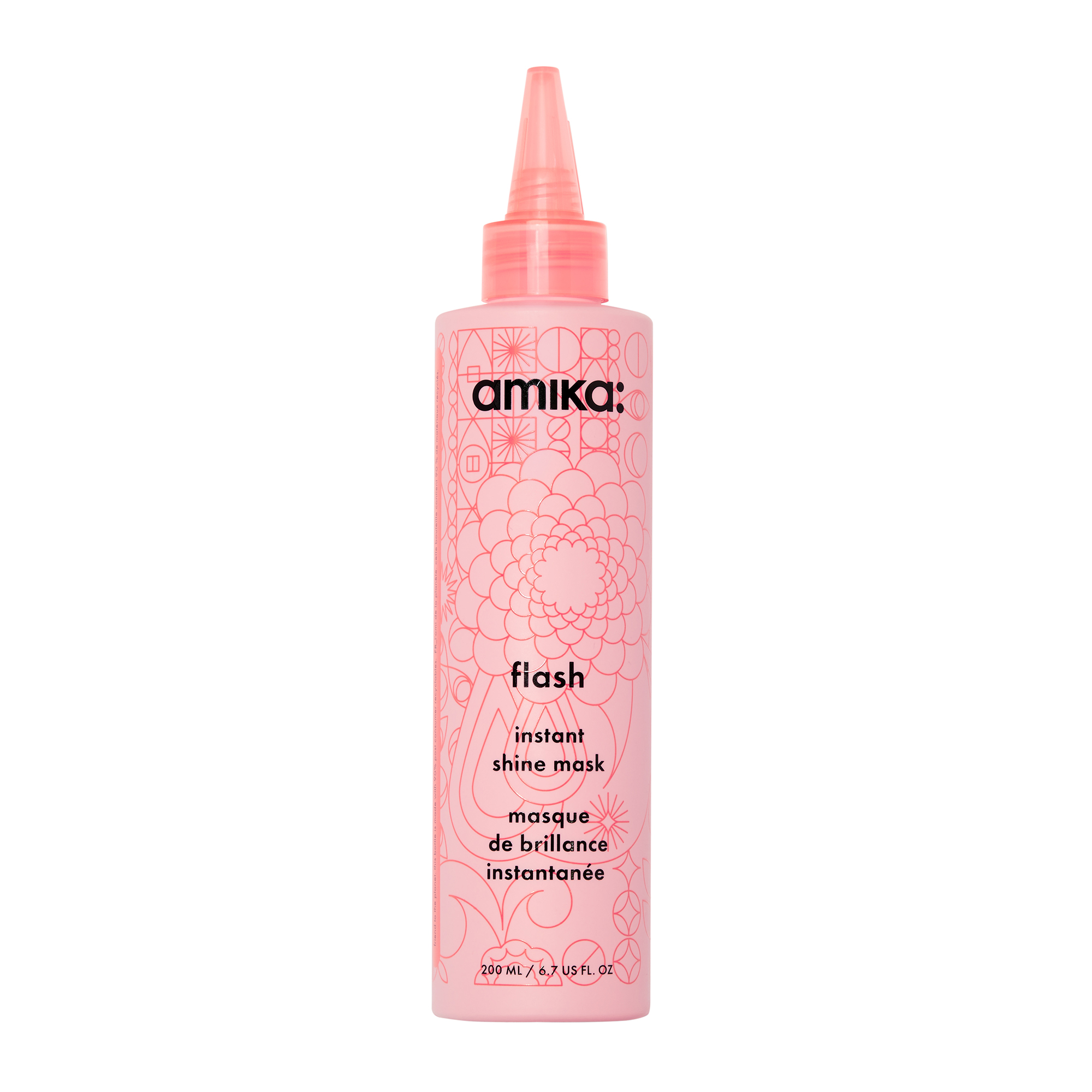
Amika Flash Shine
~$32

L'Oréal Glycolic Gloss
~$15
6B. Rinse-out conditioner, every wash
Apply from mid-lengths to ends only — never on the scalp. Leave 1–3 minutes, then rinse.
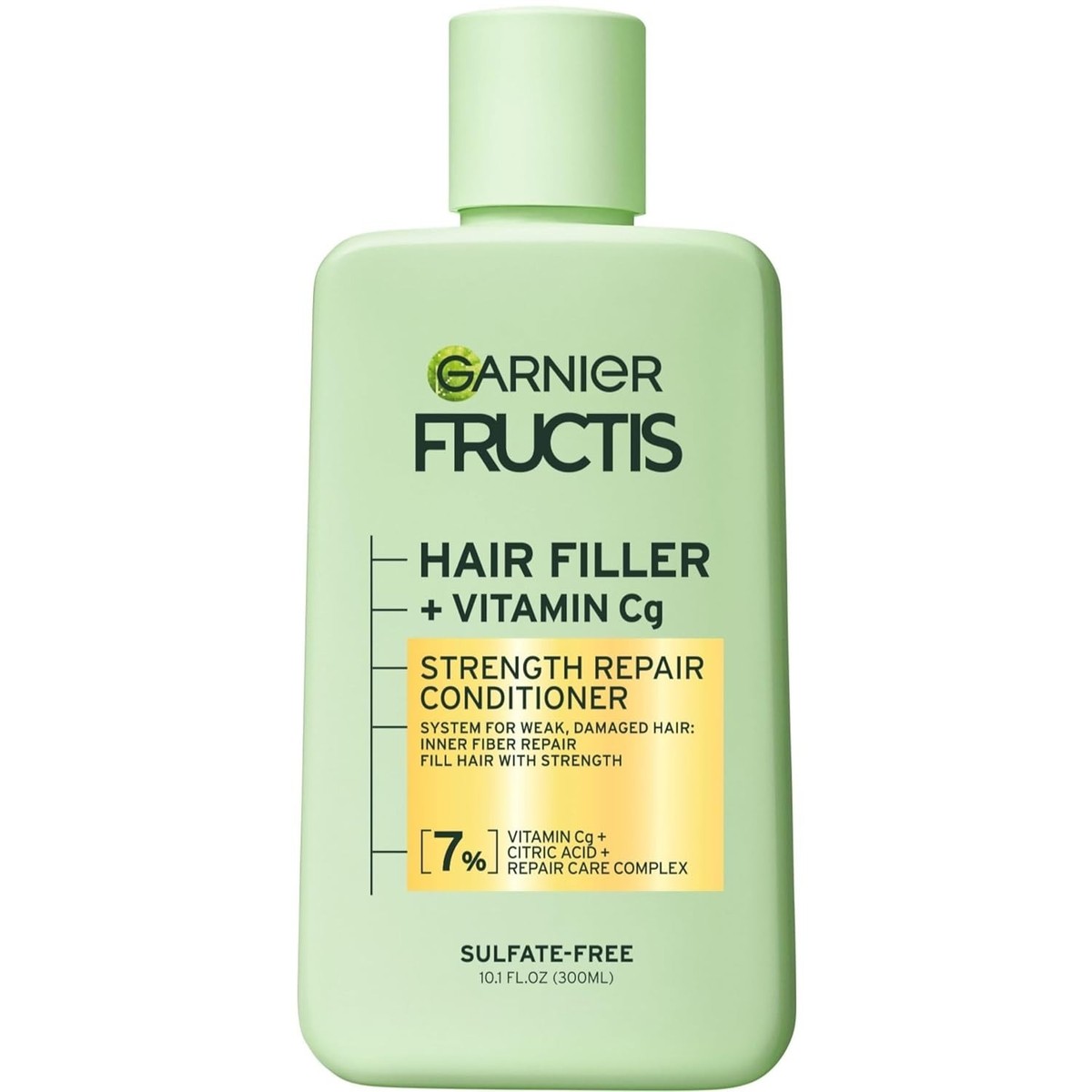
Garnier Fructis
~$7

Tough Love
~$10
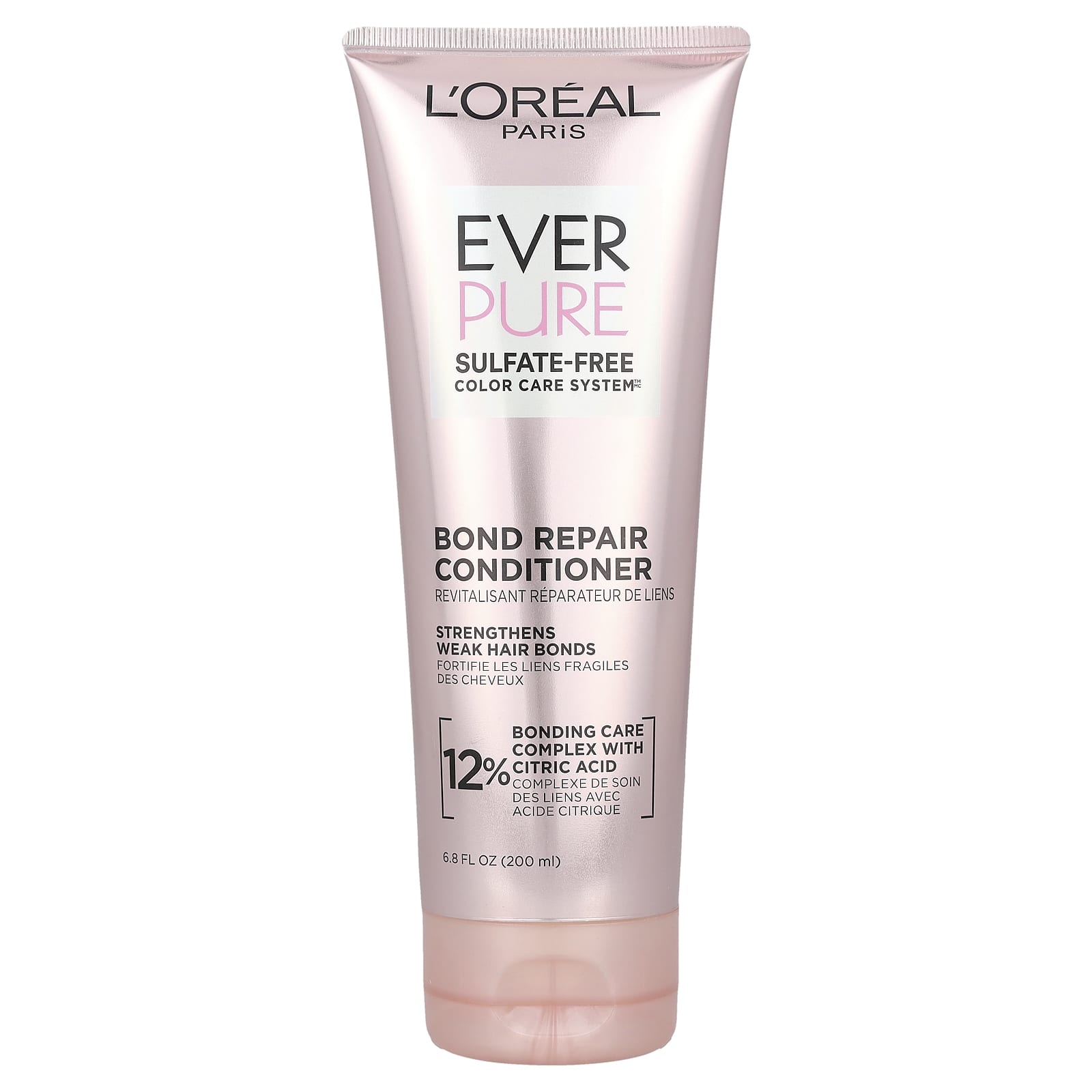
L'Oréal EverPure
~$9
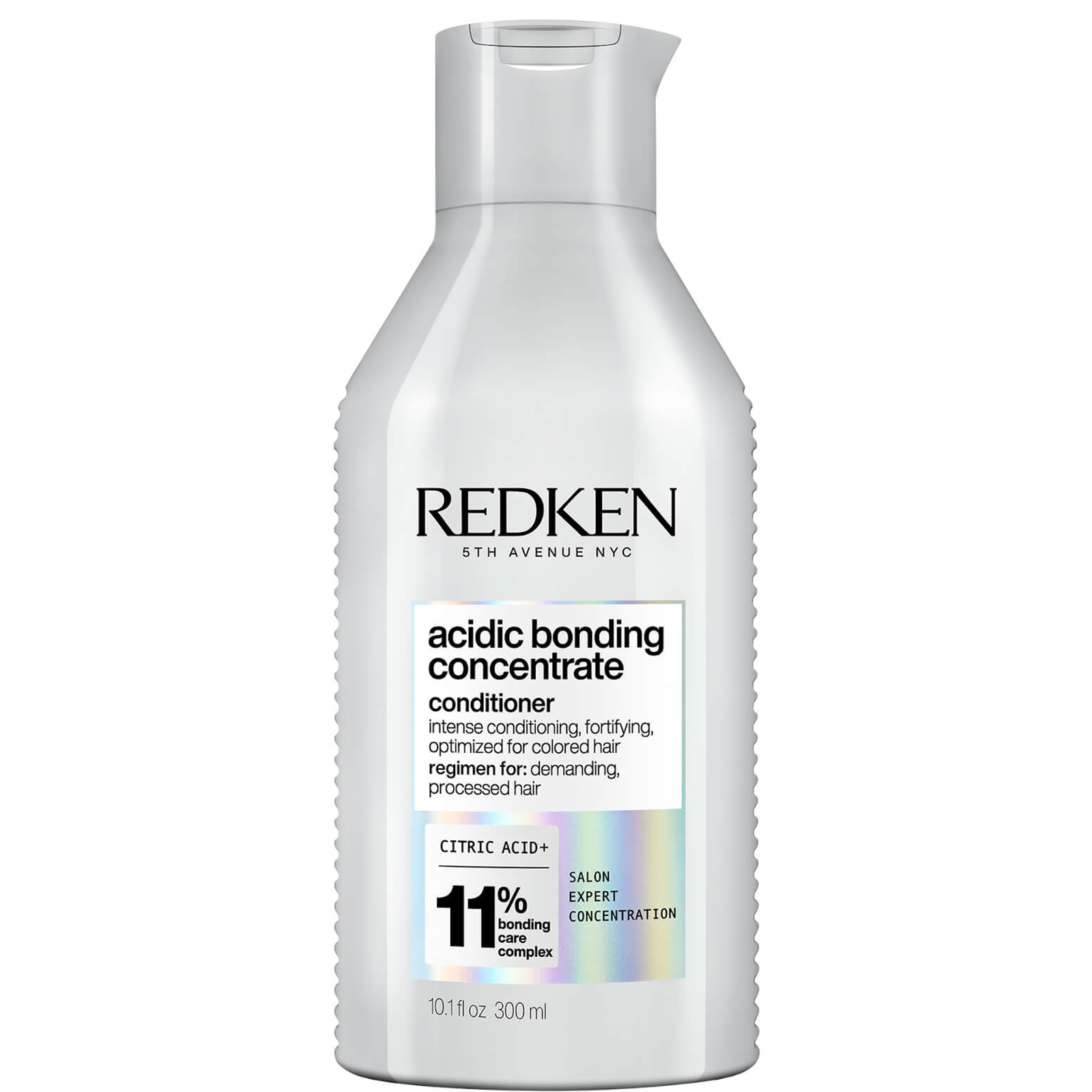
Redken Acidic
~$35
6C. Hair masks, weekly
More intensive than a rinse-out. Leave on 10–30 minutes. Most useful for damaged, dry, or high-porosity hair.

Elizavecca Protein
~$12
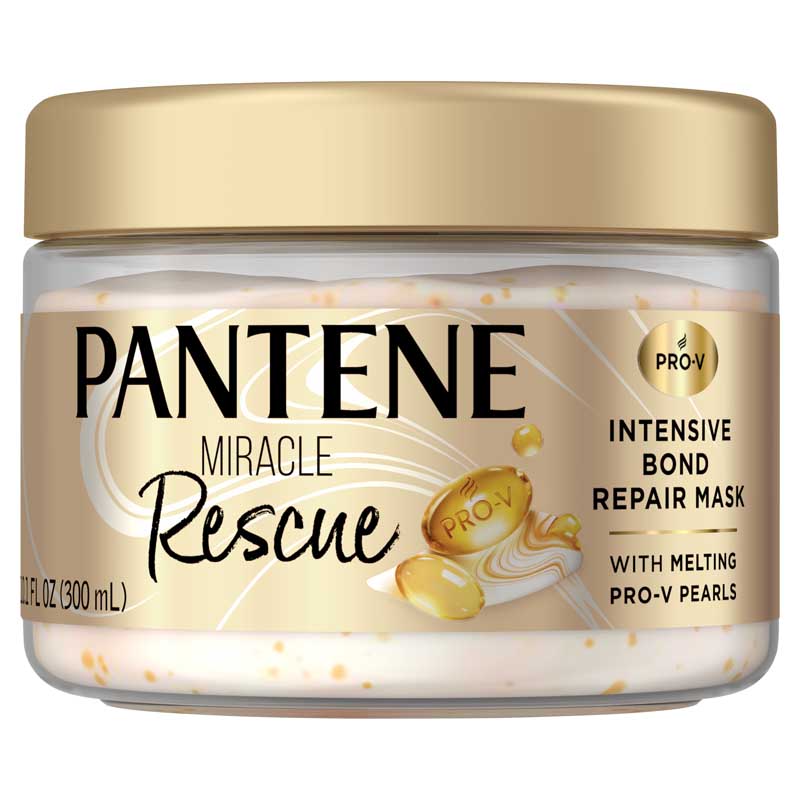
Pantene Miracle
~$8
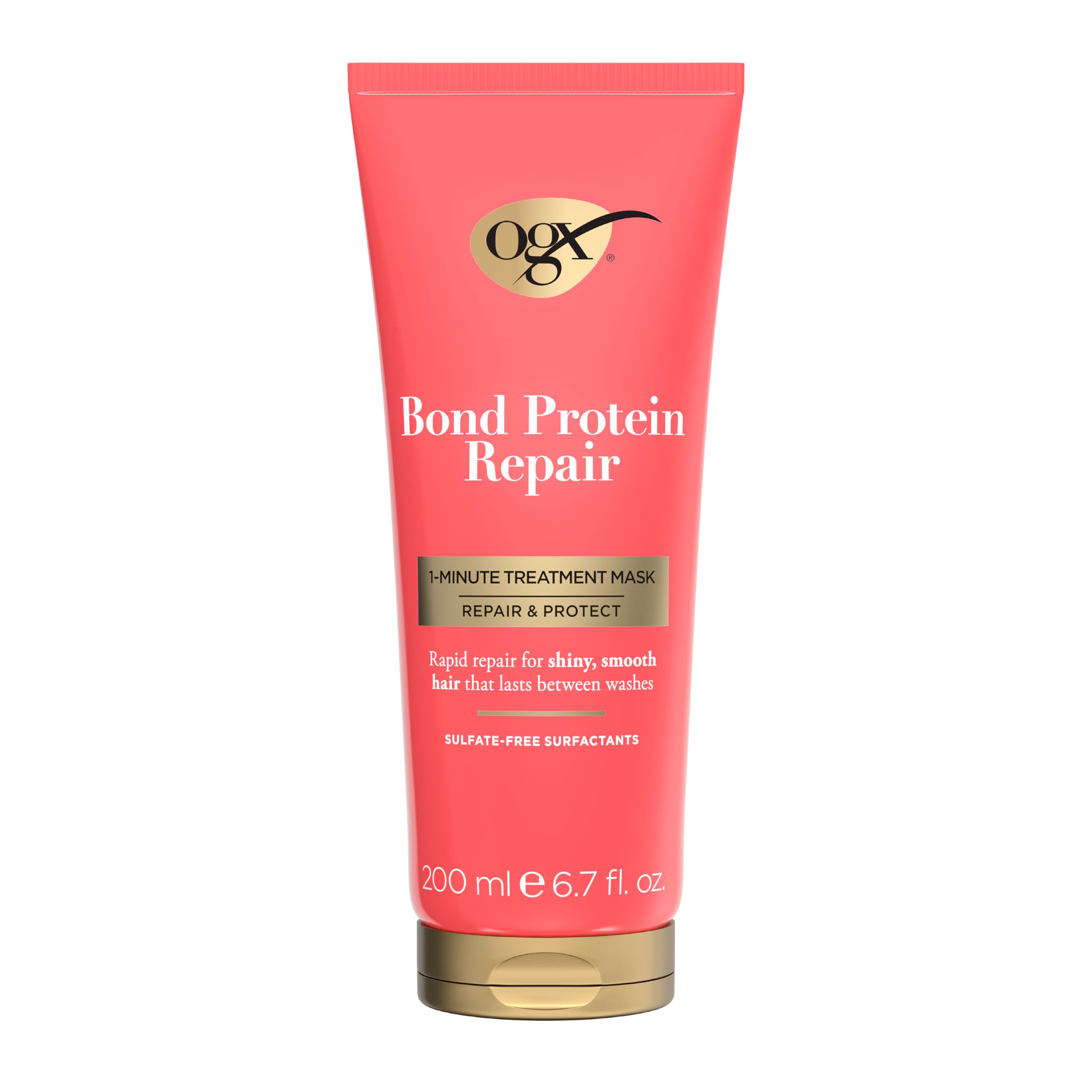
OGX Bond Mask
~$9

Amika The Kure
~$38
Low porosity: use lightweight, water-based formulas. Sprays sit better than heavy creams.
High porosity: use richer creams with oils and butters. The LOC or LCO method can help.
Step 7. Post-wash bond repair
Optional — 1–2× per week.
Post-wash bond repair goes on clean, damp hair after shampoo and conditioner. The cuticle is still slightly open, so the treatment can sink in. Skip this step if you already used bond repair in step 1 the same week.
Use it when hair is severely damaged from bleaching, frequent heat, or chemical treatments, and you want a second repair step on a different wash.
When to use it
- Severely damaged or bleached hair
- After perms, relaxers, or keratin
- While hair is growing out from a damaged state
- Color-treated hair that feels weak or brittle
How to apply
- Apply to damp, towel-dried hair after conditioning
- Wait about 10 minutes before the next product
- Do not rinse it out — leave it in and style
- Use 1–2 times per week
Recommended product
Living Proof Triple Bond Complex — about $45. Apply a small amount to damp mid-lengths and ends.
Step 8. Leave-in conditioner and heat protection
Essential — every wash day.
Leave-in conditioner keeps working until the next wash: moisture, slip, and a smoother surface. Heat protectant is required if you blow-dry, flat-iron, or curl. Heat damage adds up and does not grow back out of the lengths that are already cooked.
Why it matters
- Protects hair from heat up to about 450°F (230°C)
- Cuts frizz and flyaways through the day
- Adds slip for detangling
- Many sprays also add some UV protection
- Helps the cuticle lie flatter, so hair looks shinier
How to apply
- Apply to damp, towel-dried hair after washing
- Mid-lengths and ends — skip the roots if they get greasy
- Comb through with a wide-tooth comb
- Put heat protectant on before any heat, including a quick blow-dry
- One multi-benefit spray can be both the leave-in and the heat protectant
Pro tip: one product that covers leave-in, heat, and frizz is enough. You do not need four sprays.
Recommended products
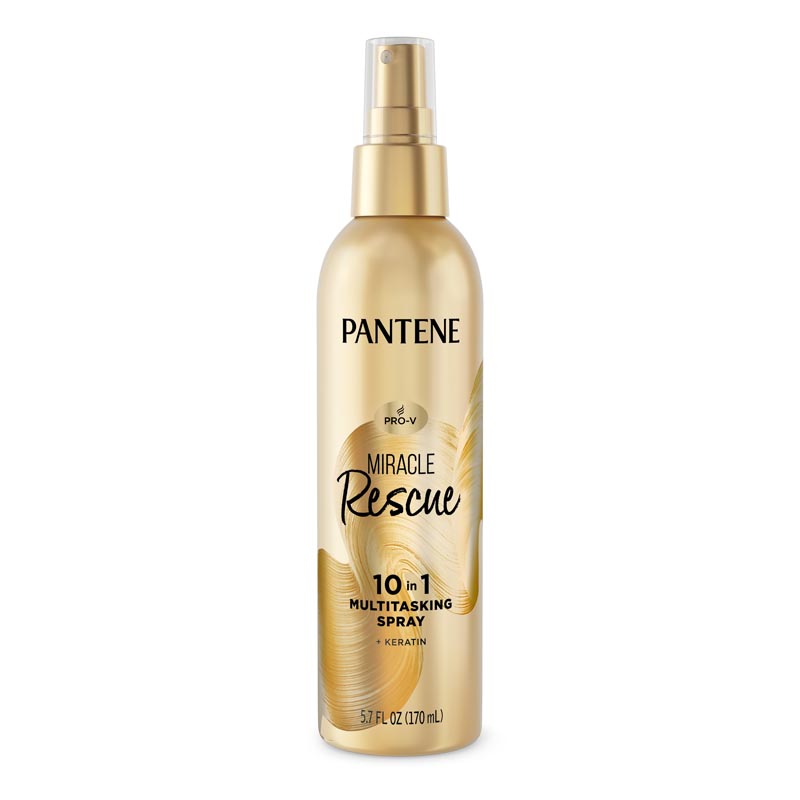
Pantene 10-in-1
~$8
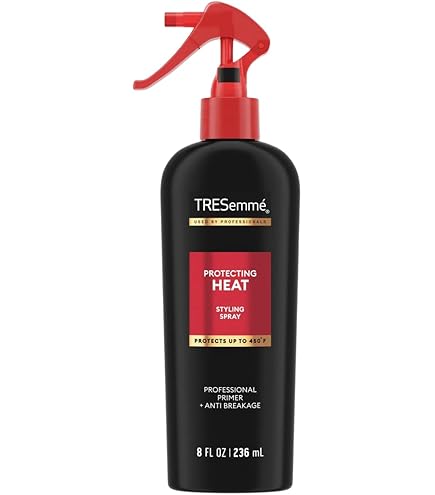
TRESemmé Heat Tamer
~$6

Redken One United
~$28
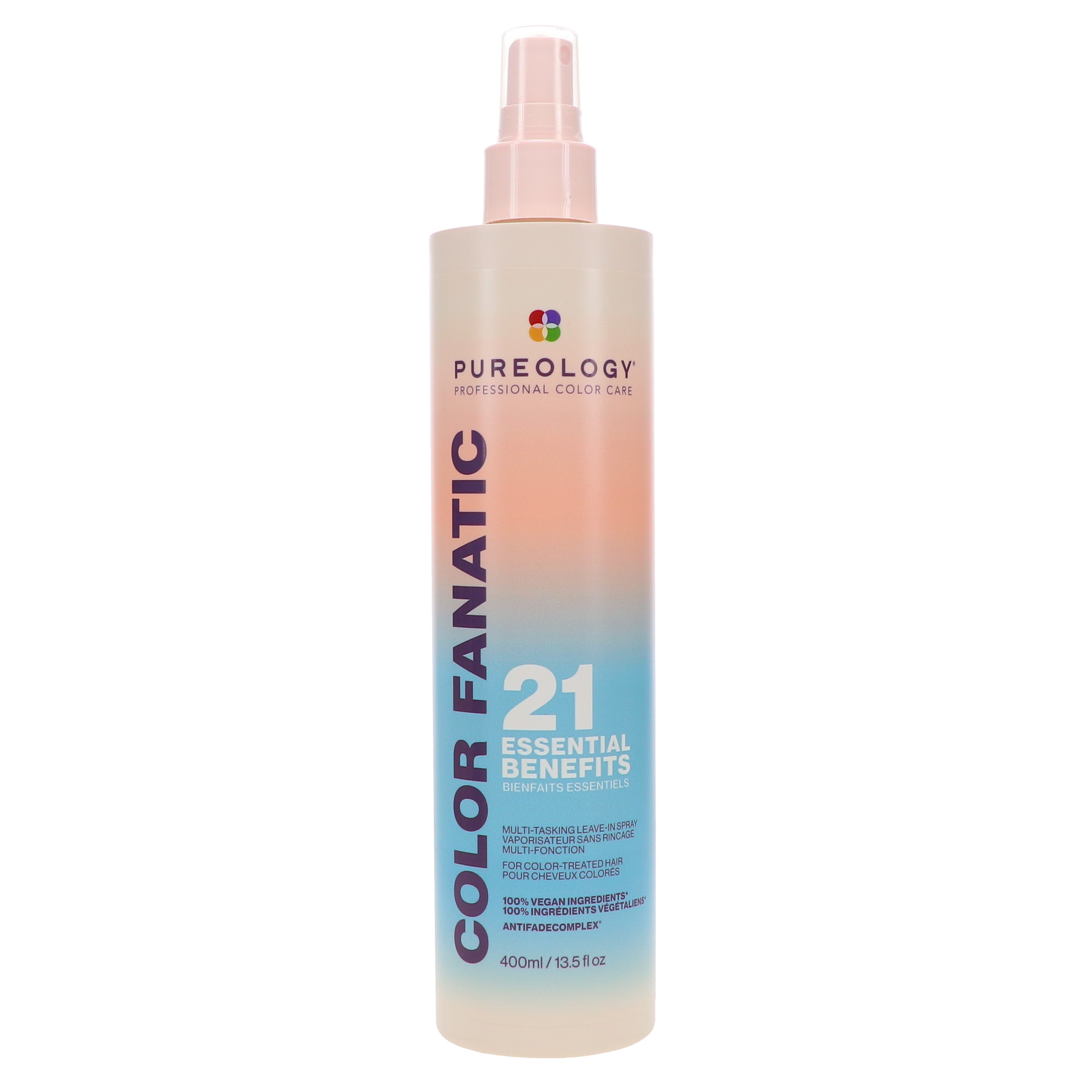
Pureology Color Fanatic
~$35
Step 9. Styling products
Optional — only if you want a specific finish.
Styling products are for the look you want: volume, smoothness, curl definition, or texture. Fine hair usually wants mousse or a light spray. Thick or curly hair usually wants cream or gel.
Types
- Mousse: light foam for volume. Best on fine to medium hair. Apply to damp hair and blow-dry.
- Gel: hold and definition for curls, slicked styles, or edges.
- Cream: moisture and frizz control for thick, dry, or curly hair.
- Texture spray: grip and a lived-in finish for waves and second-day hair.
- Pomade and wax: piece-y texture and short styles.
Tips
- Start with less — you can add more
- Warm the product in your palms first
- Apply before heat
- Layer from lightest to heaviest
Recommended products
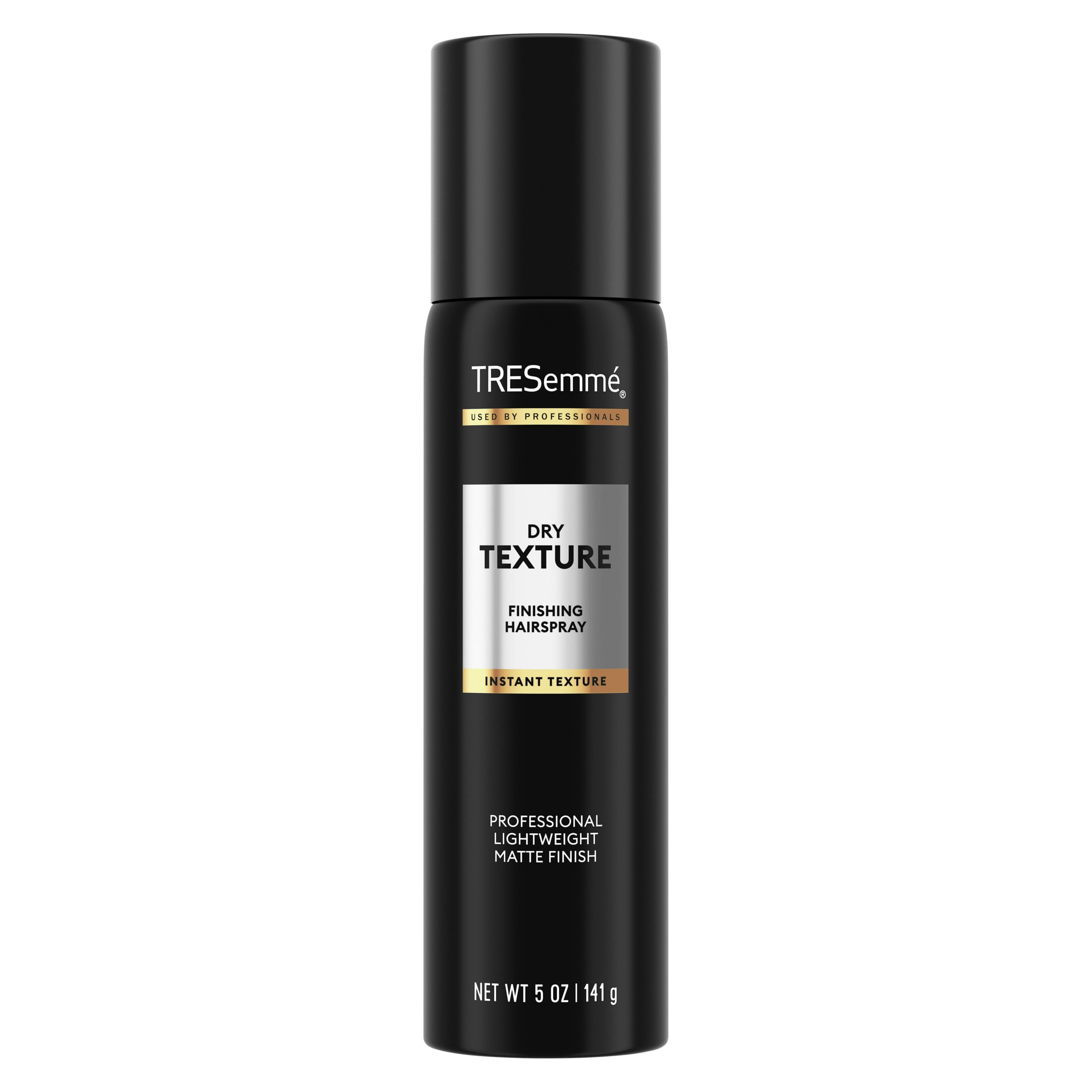
TRESemmé Texture Spray
~$6
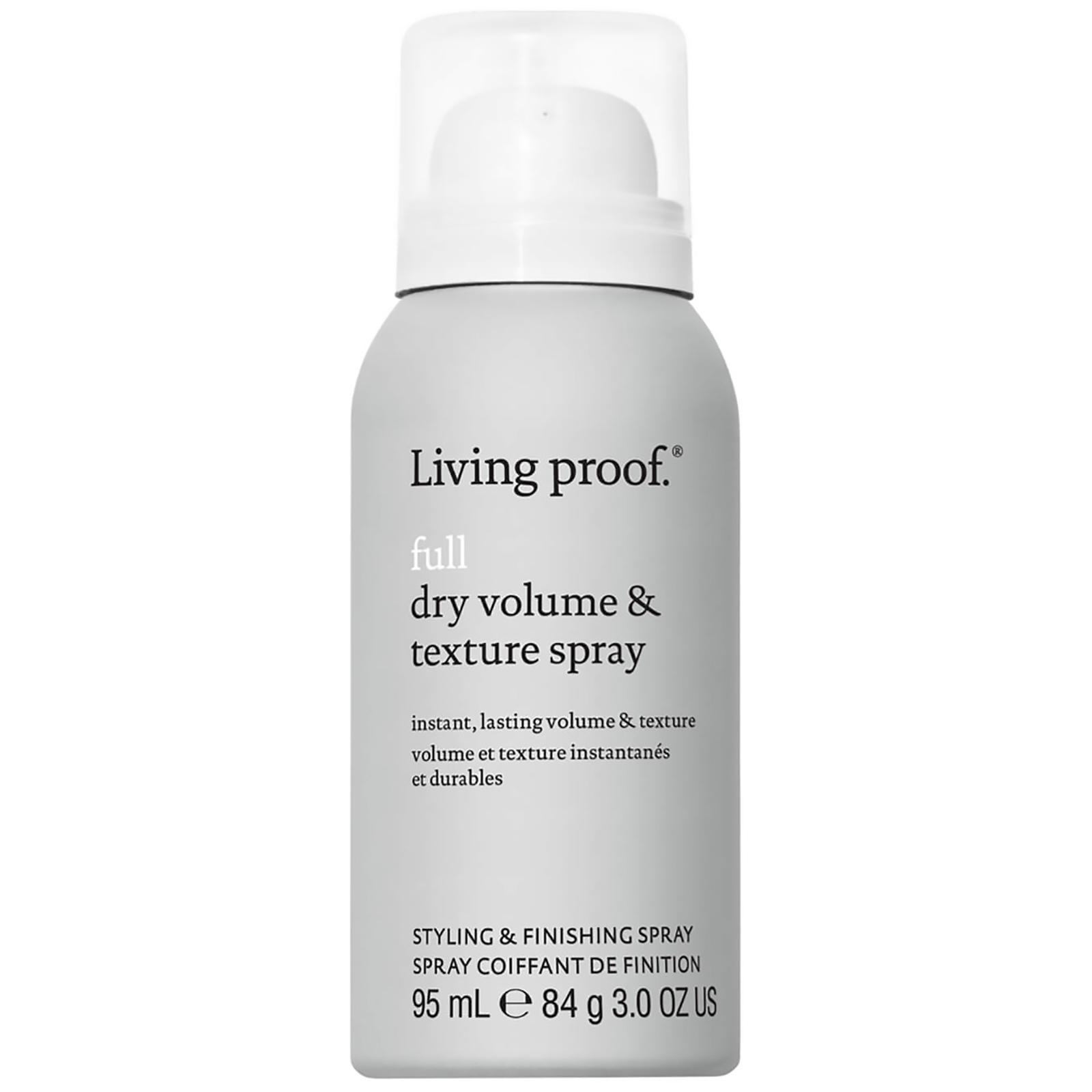
Living Proof Volume
~$32
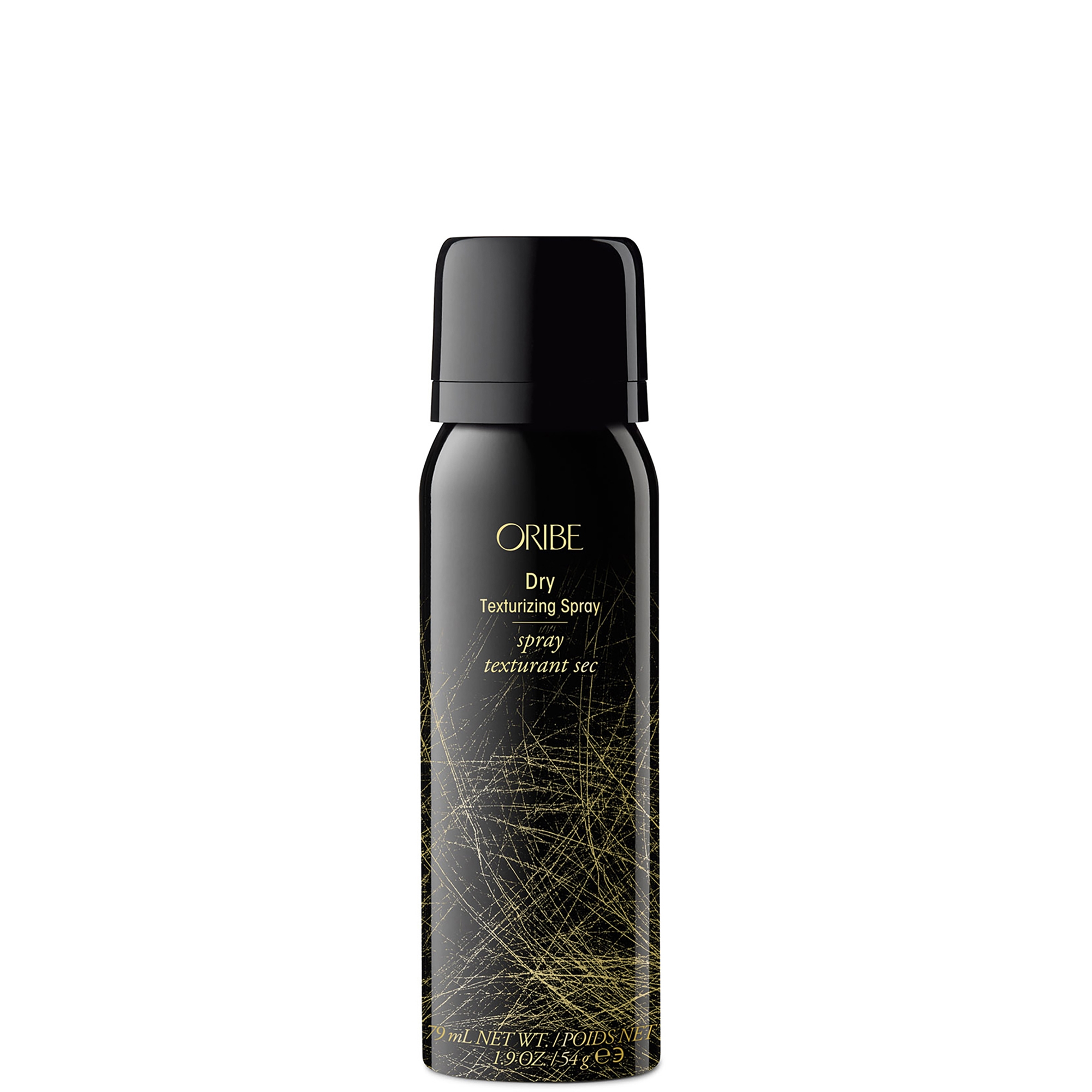
Oribe Dry Texturizing
~$48
K18 AirWash
~$42
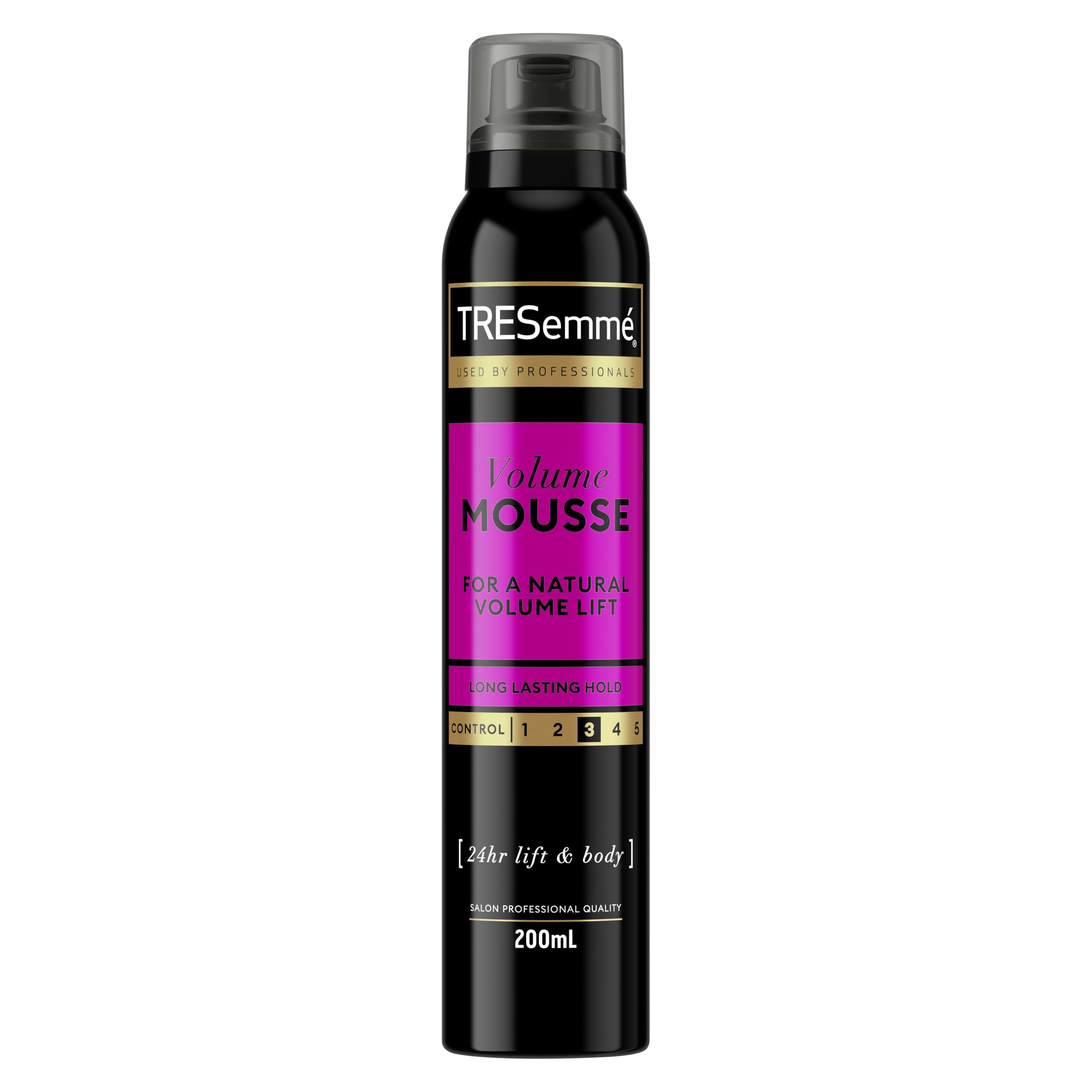
TRESemmé Mousse
~$6
R+Co Grease Balm
~$32
Step 10. Style sealers: serums, oils, creams
Optional — extra shine on the ends.
Sealers are the last layer: shine, smoothness, and frizz control. Use them after leave-in and styling, on ends and mid-lengths. A little is enough.
Which one
- Serums: lightweight, often silicone-based. Best for fine to medium hair.
- Oils: longer moisture. Lighter oils (argan, jojoba) for fine hair. Richer oils (coconut, castor) for thick hair.
- Creams: moisture plus a bit of hold. Best for medium to thick hair.
How to apply
- Best on dry or almost-dry hair
- Warm it in your hands, then smooth over the ends
- Stay off the roots
- You can add a drop later in the day
- Too much looks oily
Serums

Garnier Fructis Serum
~$8
Redken Acidic Serum
~$32
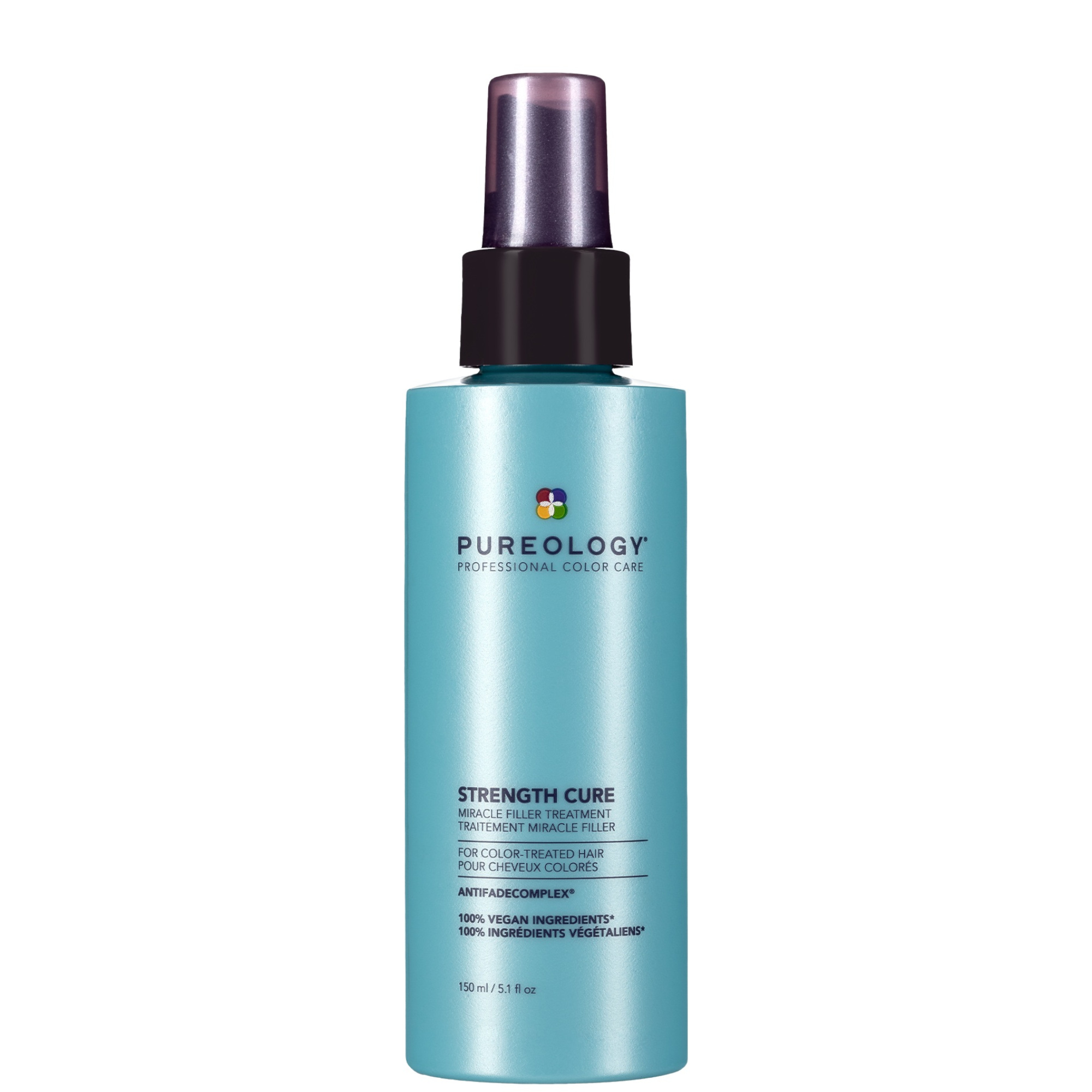
Pureology Miracle Filler
~$35
Oils
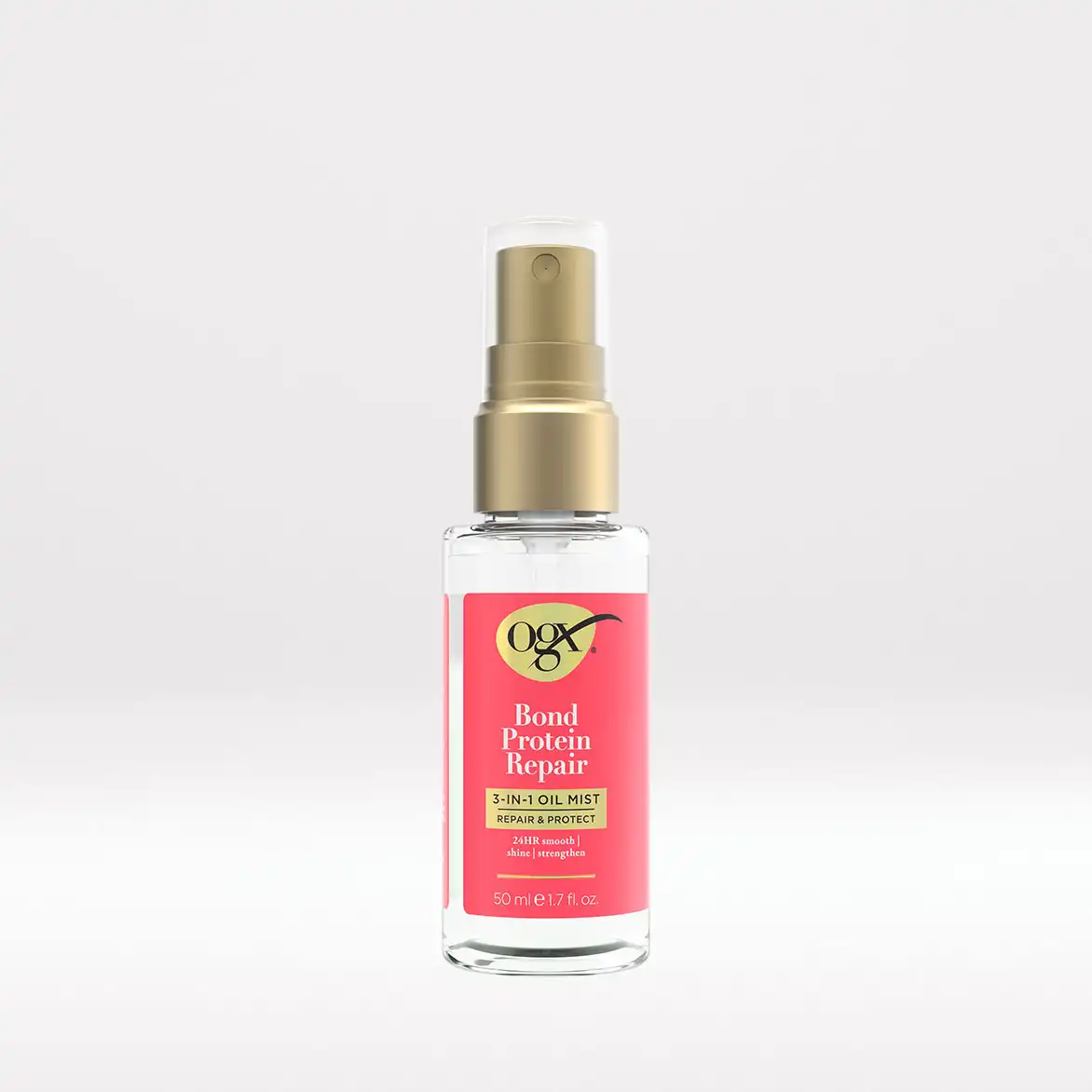
OGX Bond Oil
~$9
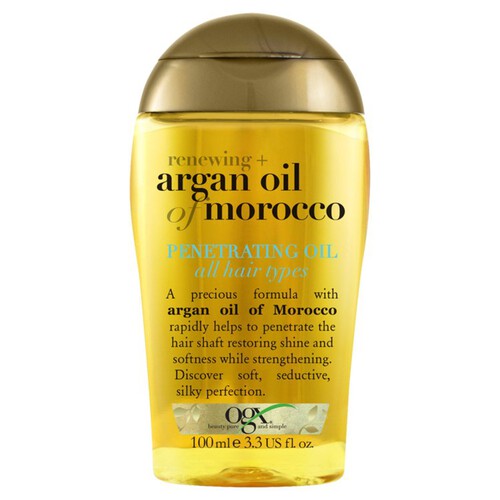
OGX Argan Oil
~$9
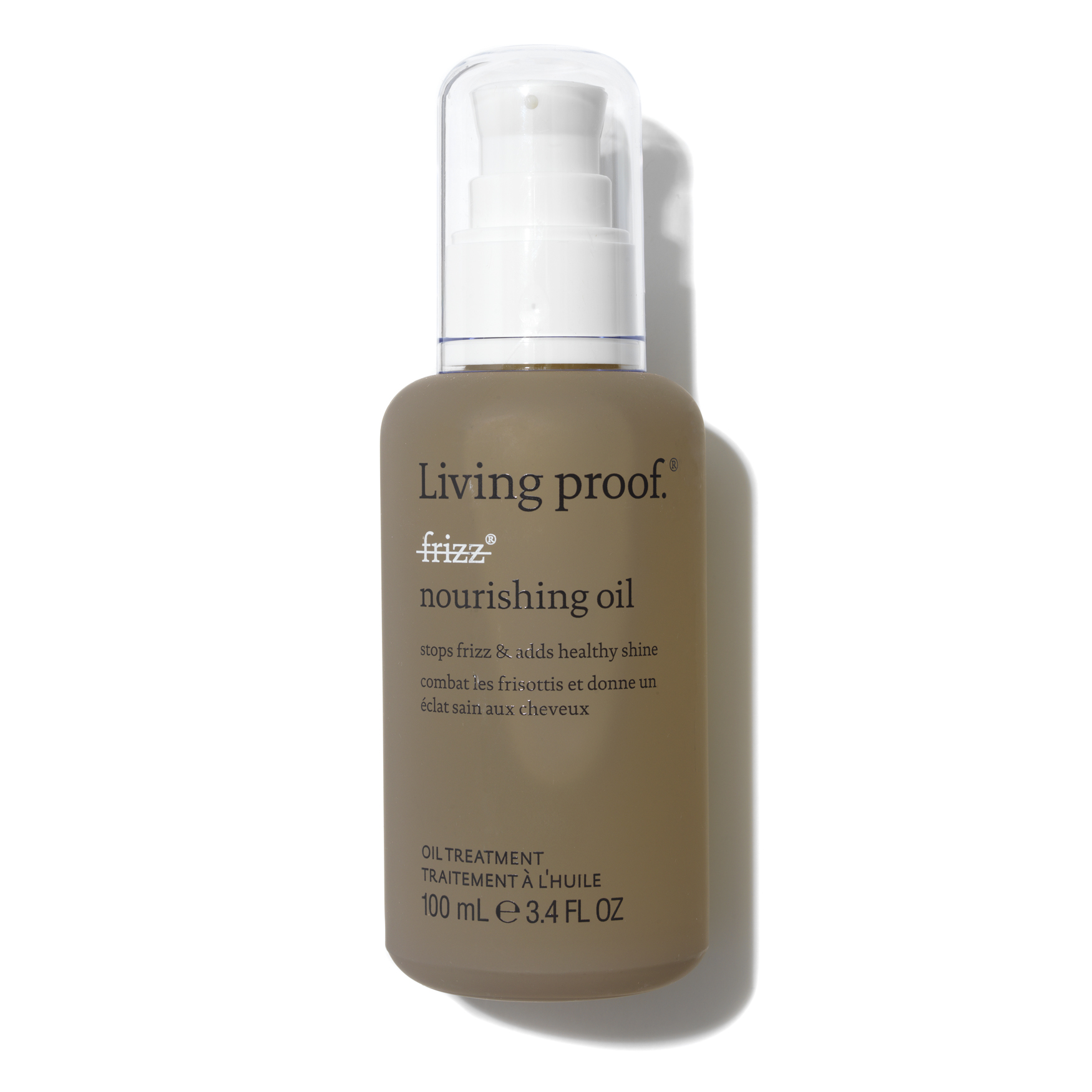
Living Proof Oil
~$32
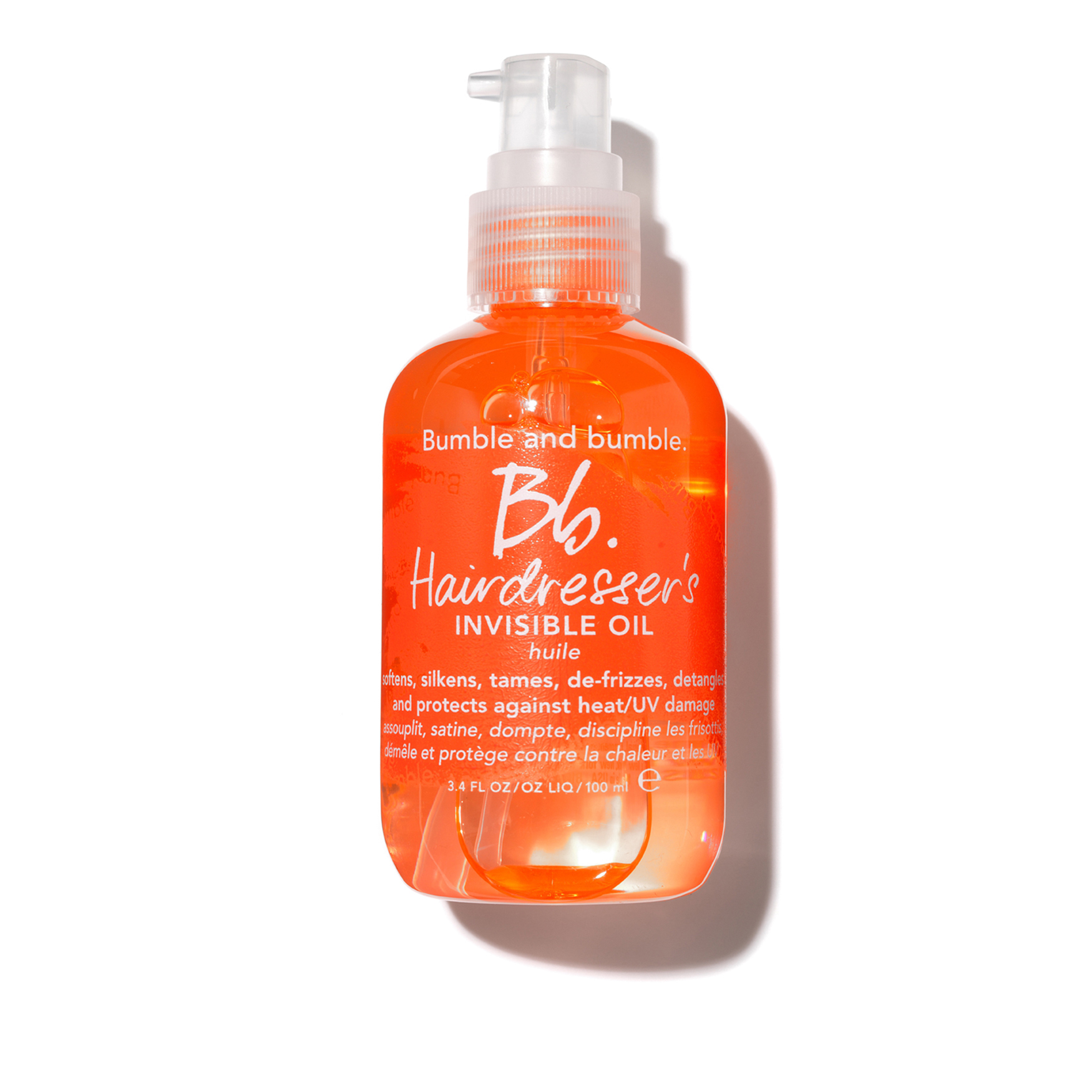
Bumble Invisible Oil
~$40
Step 11. Between-wash care
Optional — on the days you do not wash.
Between-wash care stretches a style without another shampoo. Most people in this method wash 2–3 times a week. This step covers the days in between: greasy roots, flat hair, dry ends, and heat if you restyle.
What to use
- Dry shampoo: on the roots. Wait a couple of minutes, then brush or massage.
- Refresh sprays: for second- or third-day curls and waves.
- Overnight treatments: on dry hair before bed, washed out in the morning.
- Heat protectant: still required if you restyle with heat.
Tips
- Apply dry shampoo the night before so it has time to absorb oil
- A silk or satin pillowcase cuts friction and frizz
- A loose braid or twist overnight holds the style
- Oils and serums stay on the ends only
- Do not skip heat protectant when you re-curl or straighten
Important: dry shampoo does not replace a wash. Too much of it clogs the scalp. Use it as a bridge to the next shampoo.
Overnight treatment
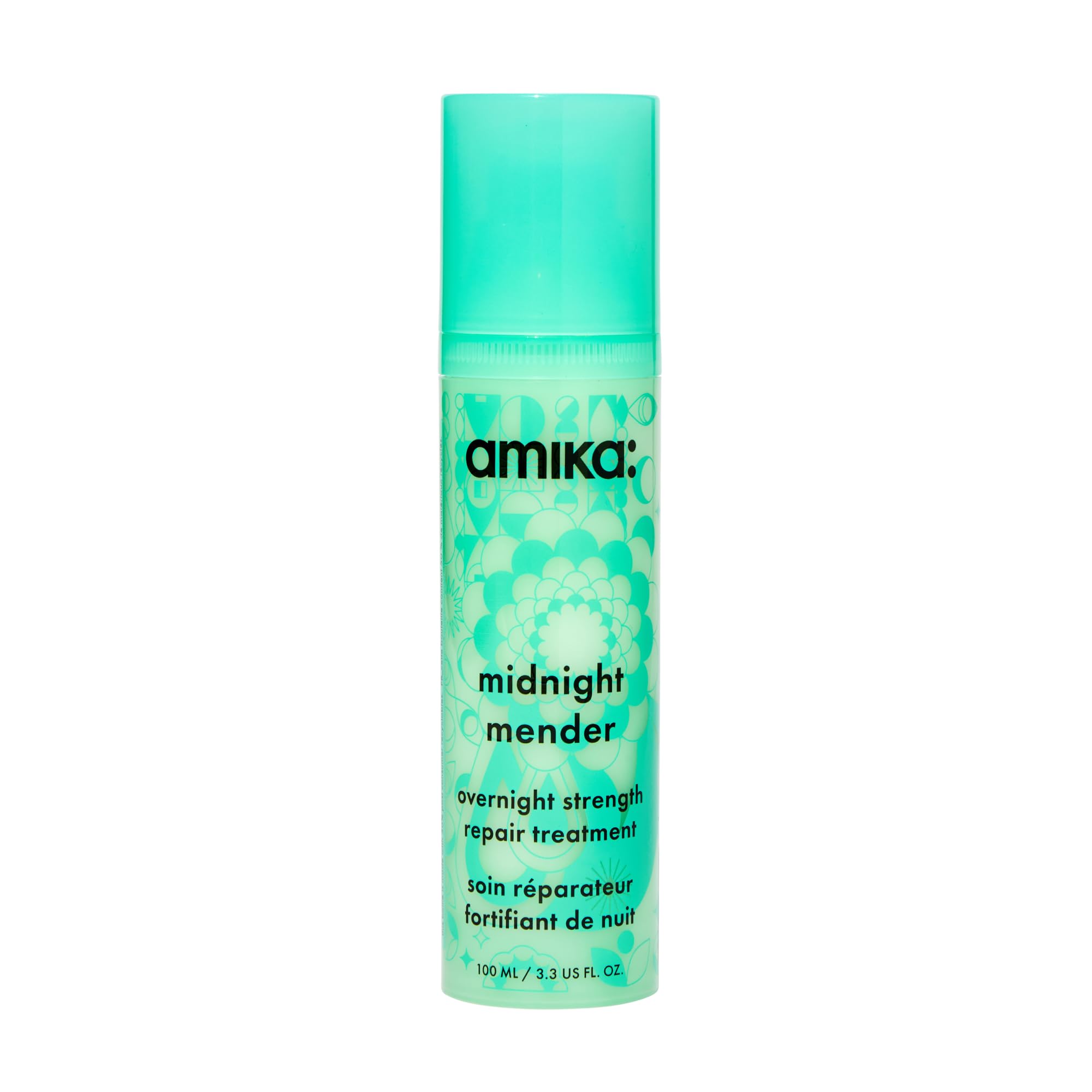
Amika Midnight Mender
~$32
Dry shampoo

Amika Perk Up
~$28
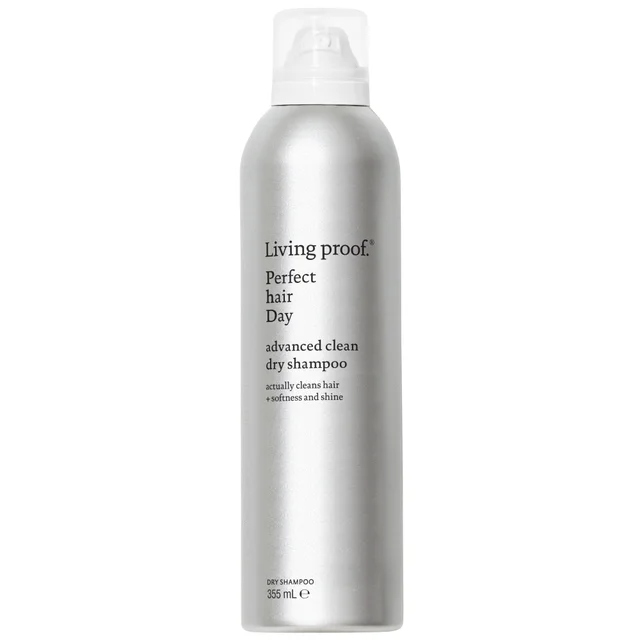
Living Proof Dry
~$30
Dove Volume
~$6
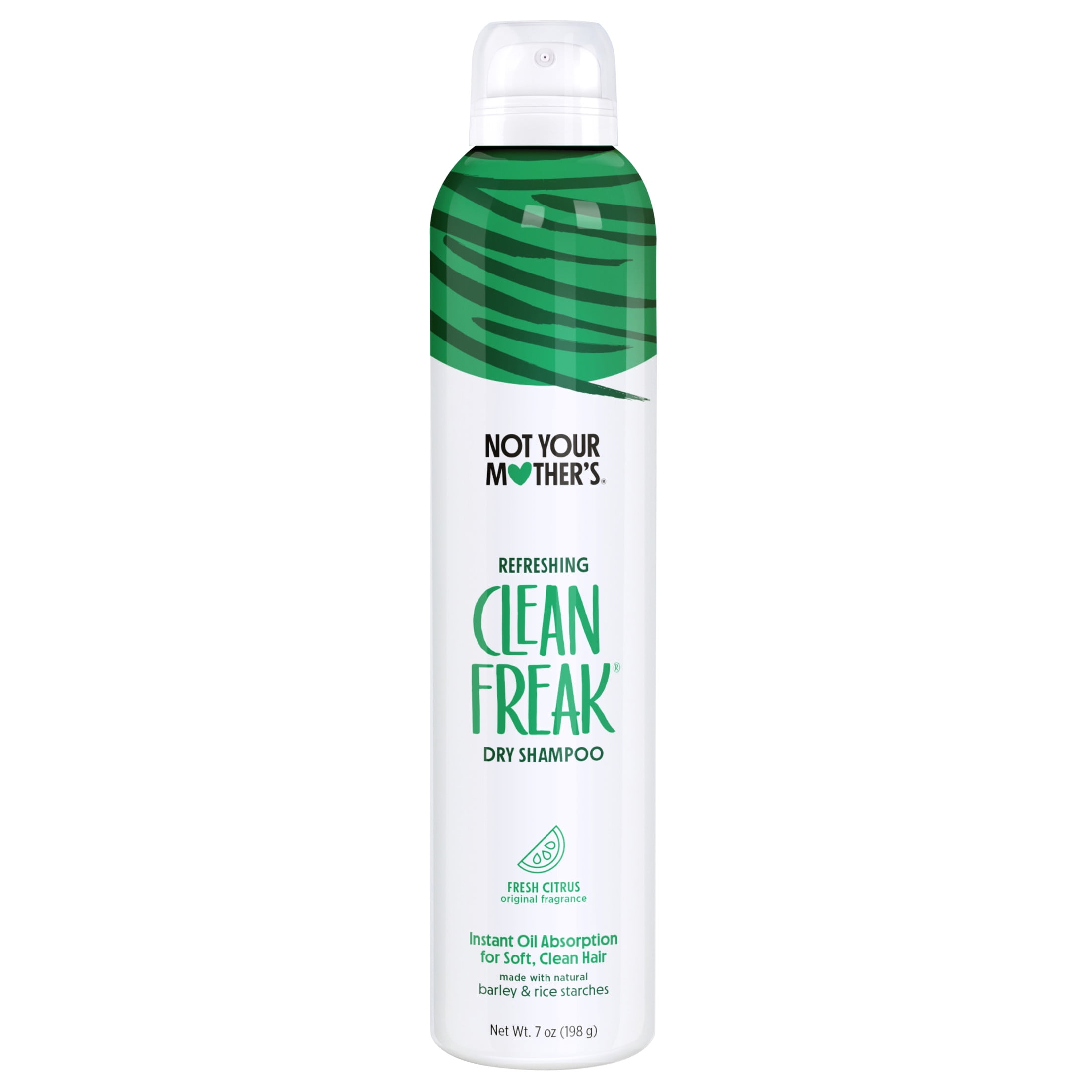
NYM Clean Freak
~$8
Questions people ask
What is the Abbey Yung method?
It is an 11-step routine: optional bond repair and pre-shampoo oil, clarifying shampoo on a schedule, regular shampoo, an optional scalp treatment, conditioner or a mask, optional post-wash bond repair, leave-in heat protection, then styling, a finishing serum or oil, and between-wash products. A normal wash is shampoo, conditioner, and a leave-in heat protectant.
Does Abbey Yung Method work?
Yes, the Abbey Yung Method can work, especially for reducing breakage and improving the look and feel of damaged hair. However, results depend on your hair type, products, and consistency.
How long does it take for the Abbey Yung method to work?
Softness and shine can show after the first wash. A steadier feel usually takes 2–4 weeks. Bleached or heat-damaged hair needs about 6–12 weeks before new breakage slows down. The method does not grow hair faster.
What products do I need for the Abbey Yung method?
Start with four: clarifying shampoo, regular shampoo, rinse-out conditioner, and a leave-in heat protectant. Add a pre-shampoo oil and a weekly mask for dry or high-porosity hair, and one bond treatment if hair is chemically damaged. Styling products, serums, and dry shampoo are optional.
How often do you wash your hair in Abbey Yung?
Most people wash 2–4 times a week: every 1–2 days for an oily scalp, every 2–3 days for a normal scalp, and every 3–5 days for a dry scalp. Clarifying shampoo is about once a week, or every two weeks if hair is dry or color-treated.
Want a routine for your hair, not all 11 steps?
Take the quiz and get product picks matched to your hair type, scalp, and porosity.
Get your personalized routine