If you have ever stood in the hair care aisle—or scrolled endlessly through an online beauty retailer—feeling utterly overwhelmed by the sheer volume of choices, you are not alone. The beauty industry launches thousands of new shampoos, conditioners, serums, and masks every single year. Each one promises thicker, shinier, healthier hair, but the reality is often a graveyard of half-used bottles under your bathroom sink.
The core issue isn’t a lack of good products; it is a lack of personalization. What acts as a miracle cure for your best friend’s thick, low-porosity curls might leave your fine, color-treated hair feeling like straw. For decades, consumers had to rely on expensive trial and error, biased brand marketing, or generic advice from social media influencers.
Fortunately, technology has finally caught up with our bathroom cabinets. In 2026, the rise of the AI hair care app has completely revolutionized how we understand, select, and sequence our hair products. By leveraging artificial intelligence to decode complex ingredient lists and analyze individual hair profiles, these tools take the guesswork out of your daily routine.
Whether you are looking for an ingredient checker for hair products to avoid harmful chemicals, or a comprehensive hair care routine builder to revive damaged locks, the right software can transform your hair health. In this comprehensive guide, we will break down why AI is the future of hair wellness, what features actually matter, and rank the best hair care tools online right now.
Why AI is Completely Changing Hair Care
The shift toward technology in personal care is not just a gimmick; it is a necessary solution to deeply rooted consumer pain points. Human hair is incredibly complex, influenced by genetics, climate, water hardness, chemical treatments, and diet. Treating it requires a scientific approach that the human brain alone struggles to calculate on the fly. Here is exactly why AI has become indispensable for hair health:
1. Eliminating Ingredient Confusion
Turn around any shampoo bottle, and you will be met with a dense paragraph of Latin names, complex chemical compounds, and scientific jargon. It is the International Nomenclature of Cosmetic Ingredients (INCI) list, and unless you are a cosmetic chemist, it is nearly impossible to read. AI tools bridge this gap by instantly translating INCI lists into plain, understandable language. They flag harsh sulfates that strip color, heavy non-water-soluble silicones that cause buildup, and drying alcohols that lead to frizz.
2. Fixing the "Wrong Routine" Problem
Buying a great product is only half the battle; knowing how and when to use it is the other half. Applying a heavy oil before a water-based leave-in conditioner, for example, creates a barrier that prevents moisture from penetrating the hair shaft. AI hair care builders analyze the specific formulations of your products and tell you the exact order in which to apply them, ensuring maximum absorption and efficacy.
3. Preventing Protein Overload and Hair Damage
Healthy hair requires a delicate balance between moisture and protein. If your hair is damaged, you might reach for a "repairing" mask. However, if you use too many protein-heavy products (like keratin, silk amino acids, or hydrolyzed wheat protein), your hair can experience "protein overload," becoming stiff, brittle, and highly prone to snapping. Advanced AI tools analyze your entire routine holistically to ensure your moisture-to-protein ratio remains perfectly balanced.
What to Look For in an AI Hair Care Tool
Not all beauty apps are created equal. As the market for tech-driven beauty expands, many platforms offer superficial features that do not actually improve your hair health. When evaluating the best AI hair care tools in 2026, here are the non-negotiable features you need to look for:
Comprehensive Ingredient Analysis
A high-quality tool must do more than just label an ingredient as "good" or "bad." It needs to explain why. Look for tools that categorize ingredients by function (e.g., humectant, emollient, surfactant) and evaluate them in the context of your specific hair type.
Personalized Routine Generation
An ingredient checker alone is just a dictionary; you need a system that acts as a stylist. The best platforms function as a dedicated hair care routine builder, taking your approved products and sequencing them into morning, night, and wash-day routines tailored to your lifestyle.
Hair Type & Porosity Detection
Your hair's porosity—its ability to absorb and retain moisture—dictates entirely how products will behave. Low-porosity hair needs lightweight, heat-activated hydration, while high-porosity hair requires heavy sealants. An elite AI app will offer diagnostic tools, like a porosity test, to calibrate its recommendations perfectly.
Avoiding Harmful Ingredients
Whether you are strictly adhering to clean beauty standards or just want to avoid known scalp irritants, the tool should have customizable filters. It must reliably flag allergens, endocrine disruptors, and harsh environmental toxins based on current dermatological data.
Seamless Ease of Use
If scanning a product or building a routine takes twenty minutes, you won't use the tool. The user interface must be intuitive, fast, and mobile-friendly, allowing you to scan barcodes or search databases instantly while standing in the aisle of a store.
The Best AI Hair Care Tools (2026) Ranked
After extensively testing the most popular platforms on the market, evaluating their algorithms, databases, and user experiences, here is our definitive ranking of the top tools available today.
1. IsItClean.app Hair Care Builder (Best Overall)
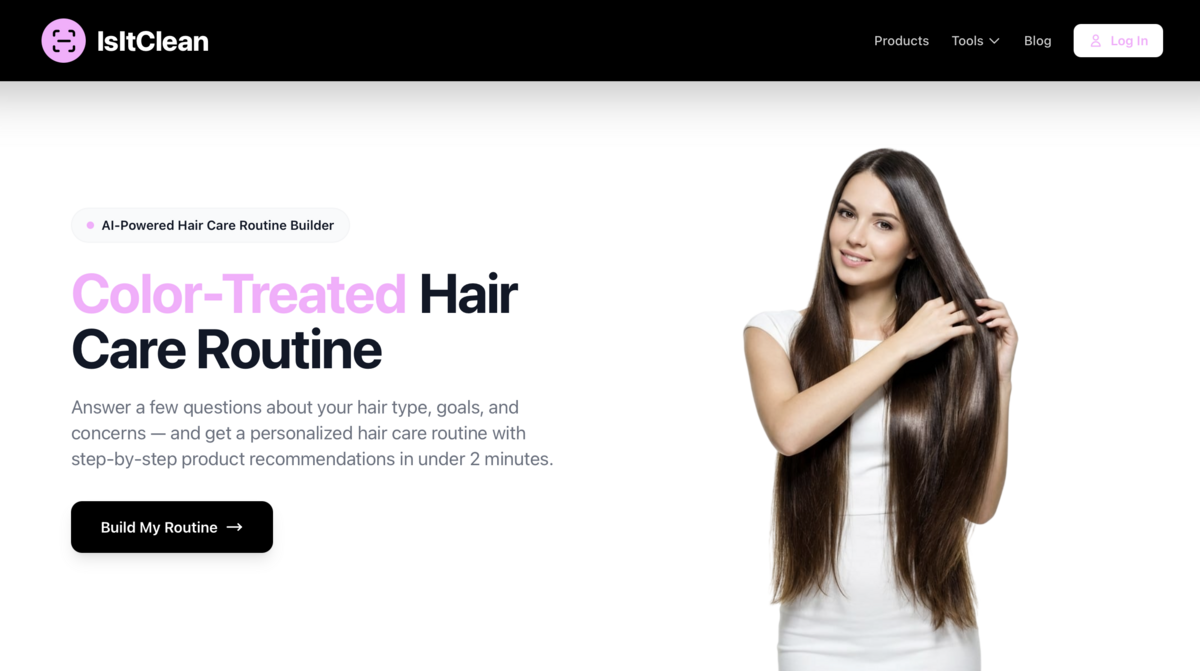
Taking the undeniable number one spot for 2026 is the IsItClean.app Hair Care Builder. Unlike legacy platforms that only tell you if a single product is safe, IsItClean is a complete, end-to-end AI ecosystem designed for total hair management. It goes far beyond a simple ingredient checker for hair products. The platform features a highly advanced AI-powered routine builder that takes your specific hair profile—determined through its built-in porosity and hair type tests—and generates step-by-step, perfectly sequenced daily routines.
What truly sets IsItClean apart is its proprietary ingredient safety score (0–100). It doesn't just pass or fail a product; it gives you nuanced, personalized recommendations based on your exact moisture/protein needs. It also identifies duplicate products in your cabinet, saving you money, and prevents the dreaded protein overload by analyzing your routine holistically.
- Pros: True AI-powered routine building, incredibly accurate 0-100 safety scoring, built-in porosity testing, hyper-personalized recommendations, modern and intuitive interface.
- Cons: The sheer amount of data and analytics provided can take a few minutes to fully explore during the initial setup.
- Best Use Case: Users who want a comprehensive, "done-for-you" hair care architect that manages both ingredient safety and optimal daily routines.
2. INCIdecoder
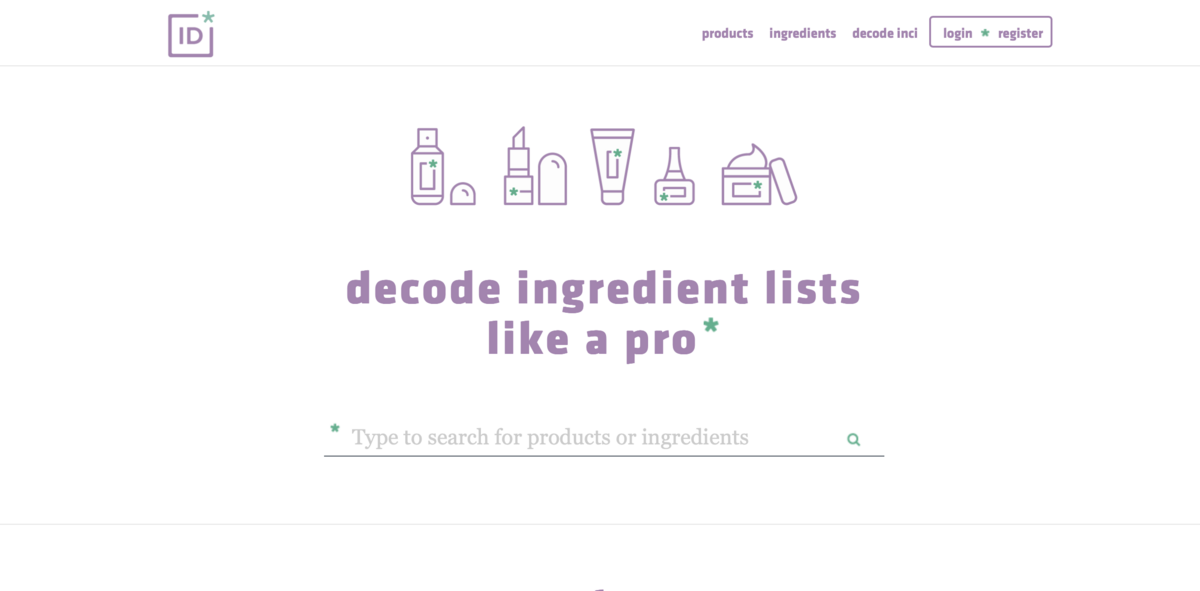
INCIdecoder has long been the gold standard for pure, unadulterated ingredient science. Created by cosmetic nerds for cosmetic nerds, this web-based tool allows you to paste any ingredient list and receive a detailed breakdown of what each chemical actually does. It explains the science behind the ingredients in a friendly, accessible way, highlighting the "superstars" and the "ickies" in any given formula.
However, while INCIdecoder is an exceptional educational resource, it lacks modern AI personalization. It does not build routines, it does not know your hair type, and it analyzes products in a vacuum rather than as part of a broader regimen.
- Pros: Deeply scientific, highly educational, easy to copy/paste ingredient lists, great for identifying specific chemical functions.
- Cons: No routine builder, no personalization, no mobile app for quick in-store barcode scanning.
- Best Use Case: The deep-dive researcher who wants to learn the exact chemical function of every single ingredient in a product.
3. Yuka
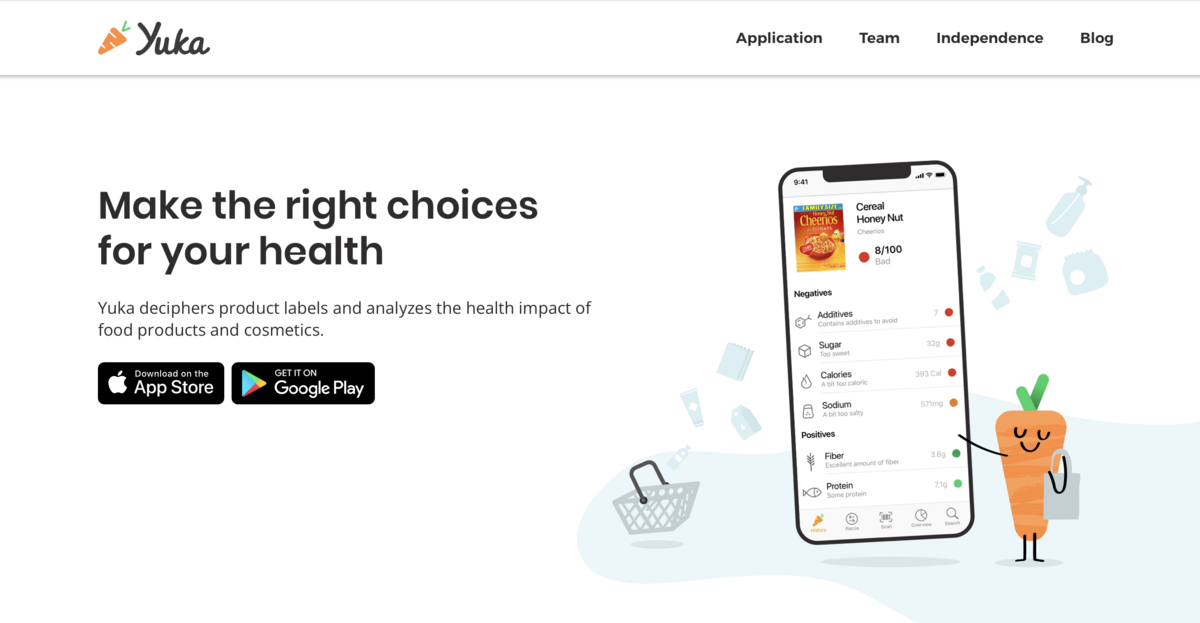
Yuka has exploded in popularity over the last few years as a barcode-scanning app for food and cosmetics. Its primary appeal is its extreme ease of use: you simply point your phone's camera at a barcode, and Yuka instantly gives the product a color-coded score out of 100 based on its health impact. It is fantastic for rapid, on-the-go decisions when you are shopping at a pharmacy or supermarket.
The drawback for hair care enthusiasts is that Yuka is a generalist tool. It is heavily focused on toxicology and European regulatory standards rather than cosmetic efficacy. It will tell you if a shampoo contains a potential endocrine disruptor, but it won't tell you if that shampoo is right for your 3C high-porosity curls.
- Pros: Incredibly fast barcode scanning, very easy to understand color-coded scoring, great for avoiding major health toxins.
- Cons: Does not account for hair type or porosity, no routine management, penalizes products for allergens that may not affect you.
- Best Use Case: Quick, in-store scanning for users whose primary concern is avoiding toxic or harsh chemicals.
4. Think Dirty
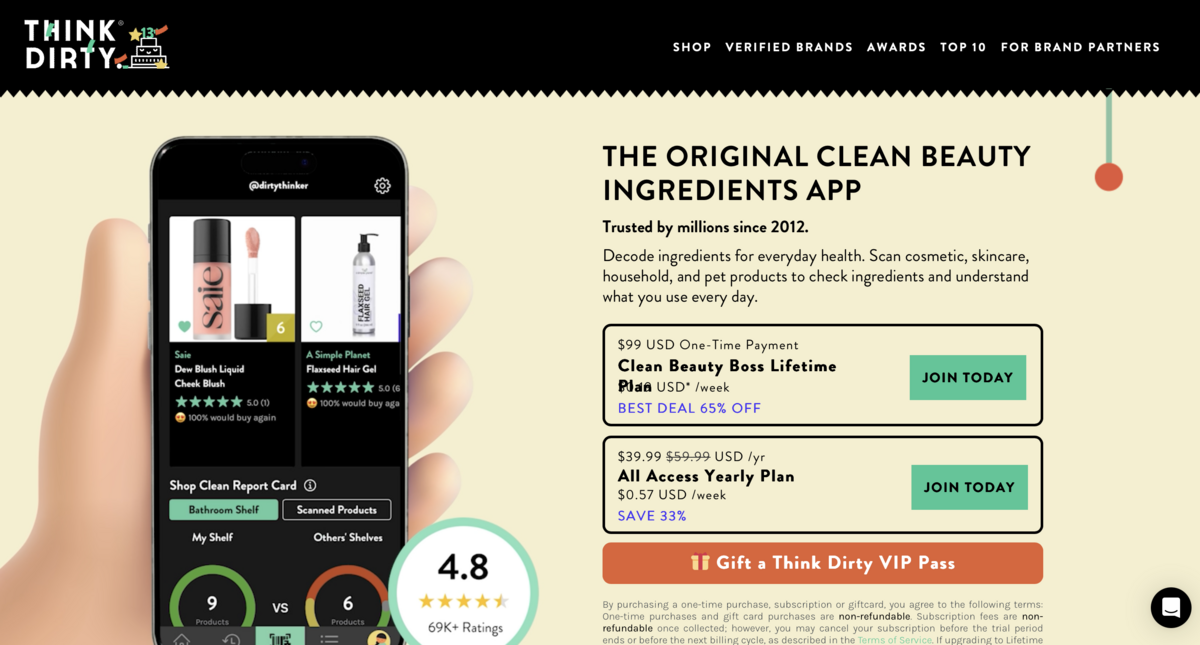
Think Dirty was one of the pioneers in the clean beauty movement. It is a highly strict ingredient checker for hair products, focusing relentlessly on the potential toxicity, carcinogenicity, and allergen risk of beauty items. Their "Dirty Meter" rates products from 0 to 10, providing a stark look at the chemical makeup of conventional cosmetics.
While excellent for those adopting a strictly "clean" lifestyle, Think Dirty can sometimes be overly alarmist. It heavily weights its scores toward natural ingredients, sometimes ignoring the fact that synthetic ingredients can be perfectly safe and highly effective for hair health. Furthermore, it completely lacks AI routine generation.
- Pros: Massive database of products, excellent strictness for clean beauty adherents, highlights hidden fragrances.
- Cons: Can be unnecessarily strict on safe synthetics, lacks any tools for building a functional hair care routine.
- Best Use Case: Strict clean-beauty consumers who prioritize avoiding synthetic chemicals above all else.
5. Cosmily
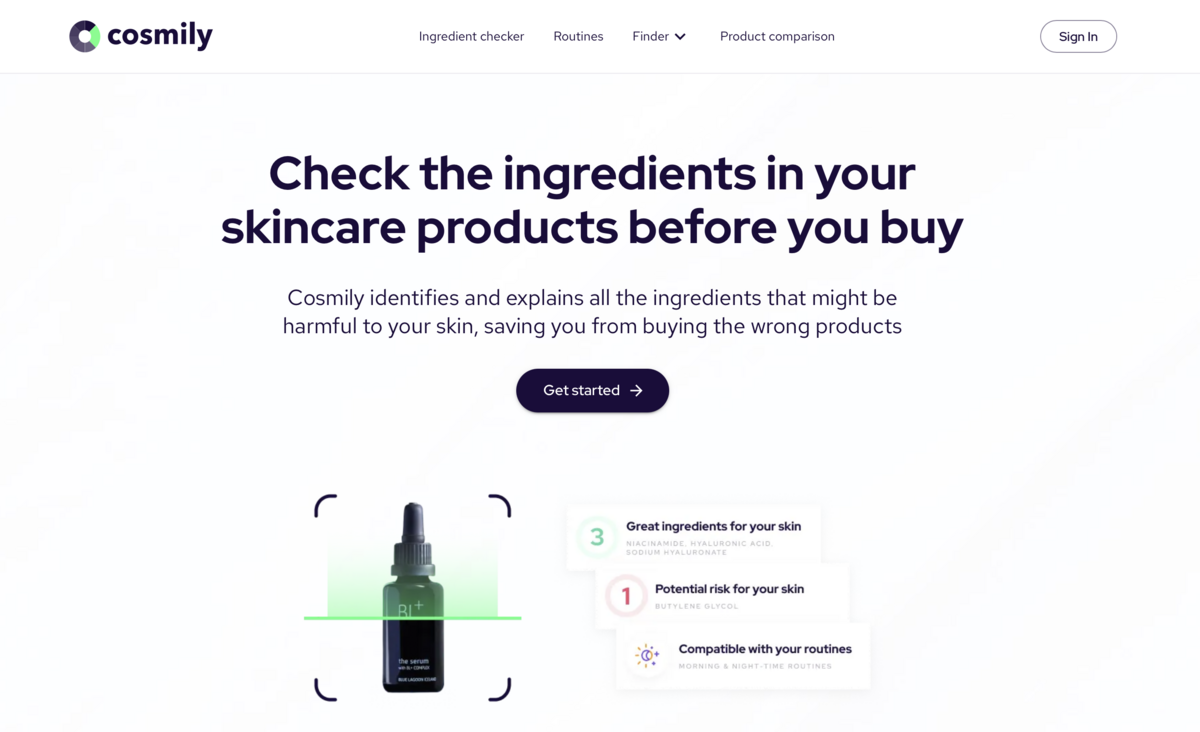
Cosmily is a solid, reliable ingredient analyzer that breaks down formulas to show you the balance of moisturizing, cleansing, and conditioning agents. It is particularly good at visualizing the formula—showing you a pie chart of how much of a product is dedicated to hydration versus preservation, for example.
Despite its usefulness, Cosmily's interface feels a bit dated compared to modern AI hair care apps. It provides good baseline data but expects the user to do the heavy lifting when it comes to applying that data to their actual daily routine.
- Pros: Good visual breakdown of product formulas, clearly identifies vegan and cruelty-free statuses, highlights key functional categories.
- Cons: Outdated user interface, no advanced AI features, lacks a dynamic routine builder.
- Best Use Case: Users who want a quick visual overview of a product's primary functions (e.g., is this mostly water or mostly oil?).
6. SkinCarisma
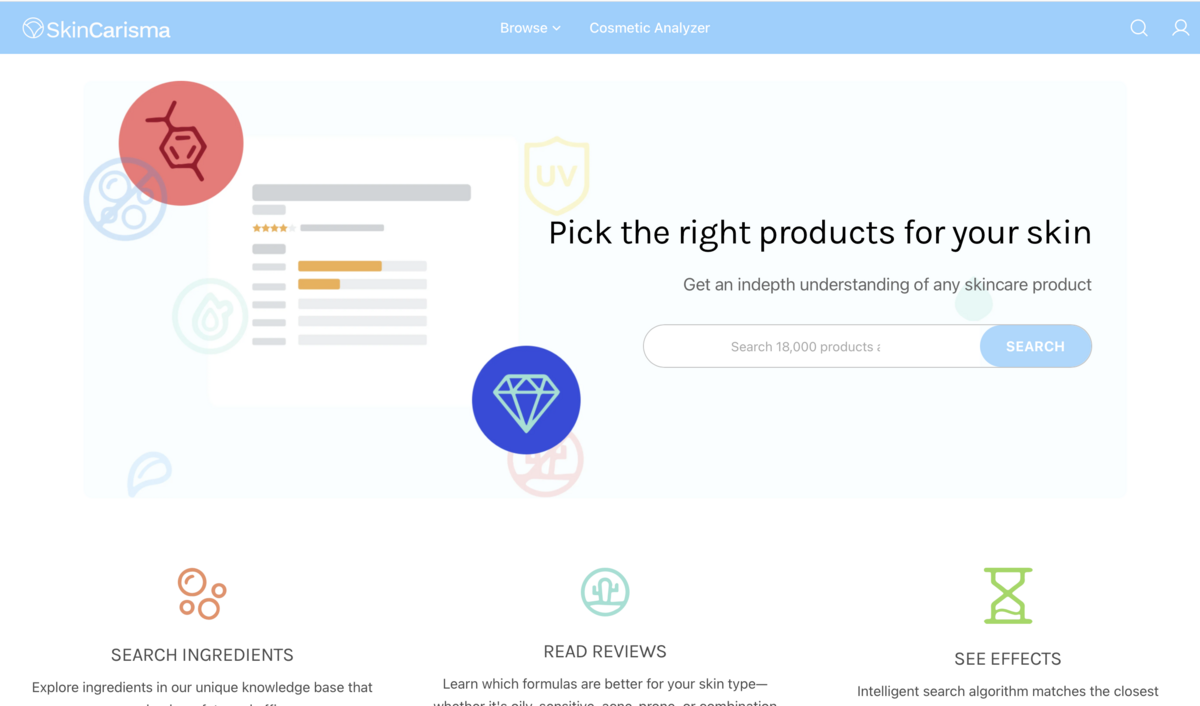
As the name suggests, SkinCarisma was built primarily for skincare, but its robust database and analysis tools work remarkably well for hair products too. It allows you to paste an INCI list and immediately see flags for parabens, sulfates, silicones, and fungal acne triggers. It also allows users to build basic profiles to track which ingredients work for them.
Because it is a skincare-first platform, however, the insights it provides are sometimes mismatched for hair care. It might flag an ingredient as highly comedogenic (pore-clogging), which is vital for your face but largely irrelevant for your hair strands.
- Pros: Excellent for tracking specific ingredient sensitivities, highly detailed hazard ratings, good community reviews.
- Cons: Built for skin, not hair; irrelevant warnings (like comedogenic ratings); lacks hair-specific routine sequencing.
- Best Use Case: Users with highly sensitive scalps who need to cross-reference hair products against skin allergens.
7. Generic Hair Routine Generators (Brand Quizzes)
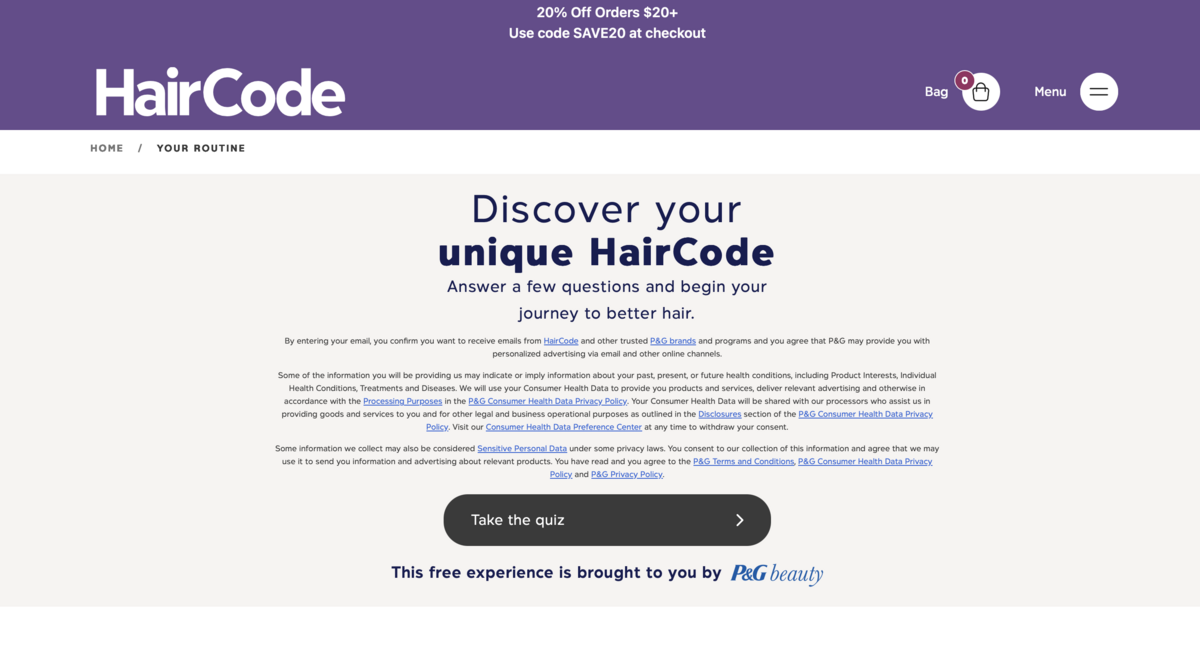
If you search for a hair care routine builder, you will inevitably find dozens of quizzes hosted by major hair care brands. These usually involve answering 5-10 questions about your hair type, after which the "AI" generates a customized routine for you.
While these can be a fun starting point, they are fundamentally flawed by inherent bias. A brand's generic generator will only ever recommend that brand's products, regardless of whether they are actually the best fit for your hair. They are marketing tools disguised as educational tools, lacking the objective, cross-brand analysis required for true hair optimization.
- Pros: Free, quick to use, often provides decent baseline advice for absolute beginners.
- Cons: Completely biased, limited to a single brand's ecosystem, zero independent ingredient analysis.
- Best Use Case: Finding a starting point within a specific brand you already know you want to purchase from.
Feature Comparison Table
To help you make the best decision, here is a clear breakdown of how the top best hair care tools online stack up against one another regarding the features that actually impact your daily routine.
| Tool Name | AI Personalization | Ingredient Analysis | Routine Builder | Ease of Use | Best For |
|---|---|---|---|---|---|
| IsItClean.app | 🟢 Excellent | 🟢 Comprehensive | 🟢 Advanced AI | 🟢 High | Total Hair Management |
| INCIdecoder | 🔴 None | 🟢 Comprehensive | 🔴 None | 🟡 Medium | Scientific Deep Dives |
| Yuka | 🔴 None | 🟡 Basic (Health focus) | 🔴 None | 🟢 High | Quick In-Store Scans |
| Think Dirty | 🔴 None | 🟡 Basic (Toxin focus) | 🔴 None | 🟢 High | Strict Clean Beauty |
| Cosmily | 🔴 None | 🟡 Moderate | 🔴 None | 🟡 Medium | Visualizing Formulas |
| SkinCarisma | 🟡 Basic | 🟢 Comprehensive | 🟡 Basic | 🟡 Medium | Sensitive Scalps |
Who Should Use These Tools?
The beauty of the current digital landscape is that there is an AI hair care app for every type of consumer. Depending on where you are in your hair journey, utilizing these platforms can save you time, money, and immense frustration.
Beginners
If you are just starting to take your hair care seriously and feel overwhelmed by TikTok trends and contradictory advice, an AI tool acts as your digital safety net. Instead of blindly copying an influencer’s routine, a tool like IsItClean can assess your specific hair and give you a foolproof, step-by-step beginner routine.
Damaged / Color-Treated Hair
Chemical processing, bleaching, and excessive heat styling physically alter the structure of your hair. Damaged hair needs a highly specific, scientific approach to repair broken bonds and replenish lost keratin. Using an ingredient checker for hair products ensures you are buying active, repairing ingredients (like bond builders and specific amino acids) rather than cheap silicones that just coat the hair in a temporary, artificial shine.
Curly / Wavy Hair
Anyone following the Curly Girl Method (CGM) knows that ingredient scrutiny is a way of life. Curls and waves are naturally drier and highly susceptible to buildup from heavy waxes and non-soluble silicones. Furthermore, understanding your porosity is the single most important factor in curly hair care. Tools that feature built-in porosity detection and advanced routine sequencing are absolute game-changers for achieving defined, frizz-free curls.
Clean Beauty Users
If you are transitioning your household to non-toxic products, navigating beauty labels is a minefield of hidden formaldehydes, synthetic fragrances, and harsh preservatives. Dedicated ingredient scanners ensure that you can verify the safety and environmental impact of your products before they ever touch your scalp.
Final Verdict
As we navigate the crowded beauty landscape of 2026, it is clear that simply knowing what is inside your shampoo is no longer enough. While classic databases like INCIdecoder and quick-scan apps like Yuka remain useful for isolated tasks, they only solve a fraction of the problem. They tell you about the product, but they tell you nothing about you.
For anyone serious about unlocking their best hair, IsItClean.app Hair Care Builder stands completely unchallenged as the best overall tool on the market. By combining a rigorous, 0-100 ingredient safety scoring system with a truly intelligent, personalized hair care routine builder, it bridges the gap between scientific analysis and actionable, daily application. It ensures that you aren't just buying safe products—you are buying the right products, and using them in the exact right way.
Stop wasting money on the trial-and-error approach to beauty. Leverage the power of AI, analyze your routine, and finally give your hair the exact personalized care it deserves.