If you've ever felt that pang of disappointment watching your fresh, vibrant salon color wash right down the drain, you know the struggle is real. The single biggest culprit? Your shampoo.
The wrong formula can strip away that beautiful new shade in just a handful of washes. But the right one? It’s your color’s personal bodyguard, protecting its tone, vibrancy, and health long after you’ve left the salon.
Your Guide to Keeping Salon Color Vibrant

Think of the best shampoo for color-treated hair as your insurance policy. It should be a gentle, sulfate-free, and pH-balanced formula loaded with nourishing ingredients and UV filters to preserve your investment.
This guide will demystify the labels and turn you into a pro at picking the perfect products. We'll show you exactly what to look for—and what to run from—so you can wash your hair with total confidence.
Keepers vs. Leavers
The easiest way to start is by separating the good from the bad. I like to think of them as "Keepers" (ingredients that protect your color) and "Leavers" (ingredients that send it packing).
And making the right choice has never been more important. With the market for color-safe shampoos projected to hit USD 5.8 billion by 2033, it's clear that consumers are demanding better protection. We now know that old-school shampoos with harsh sulfates can fade color by up to 50% in just a few weeks, which is why sulfate-free has become the gold standard.
Here’s a quick cheat sheet to help you spot the heroes and villains on any ingredient list.
Color-Safe Shampoo Cheat Sheet
This table breaks down exactly what you want to see in your shampoo (Keepers) versus what you should absolutely avoid (Leavers).
| Feature | Look for This (Keepers) | Avoid This (Leavers) |
|---|---|---|
| Cleansing Agent | Gentle, sulfate-free surfactants (e.g., Cocamidopropyl Betaine) | Harsh sulfates (e.g., Sodium Lauryl Sulfate) |
| Protective Additives | UV filters (e.g., Benzophenone-4) and antioxidants (e.g., Vitamin E) | Drying alcohols (e.g., SD Alcohol 40) |
| Conditioning Agents | Natural oils, butters, and lightweight silicones (e.g., Argan Oil) | Heavy, non-soluble silicones (e.g., Dimethicone) |
| Health & Balance | pH-balanced formulas (4.5-5.5) and strengthening proteins | Formaldehyde-releasing preservatives |
Think of these concepts as your new secret weapon in the hair care aisle. Just like you can't build a strong house on a weak foundation, you can't maintain vibrant color without the right shampoo. It's the cornerstone of your entire routine.
Of course, if you have curls, you’re playing on hard mode—trying to maintain color while also keeping frizz at bay. Our guide on how to build a clean routine for curly hair offers specific tips for your texture.
In the sections ahead, we’ll dive deeper into the science behind why these ingredients matter. By the end, you won't just know what the best shampoo for color treated hair is; you'll understand how to build a complete, personalized system that keeps your hair looking salon-fresh, week after week.
Why Your Hair Color Fades and How Shampoo Helps

To win the war against fading, you have to know your enemy. The problem isn't just the water—it's how the coloring process changes the very structure of your hair. It all comes down to the hair cuticle, your hair's natural suit of armor.
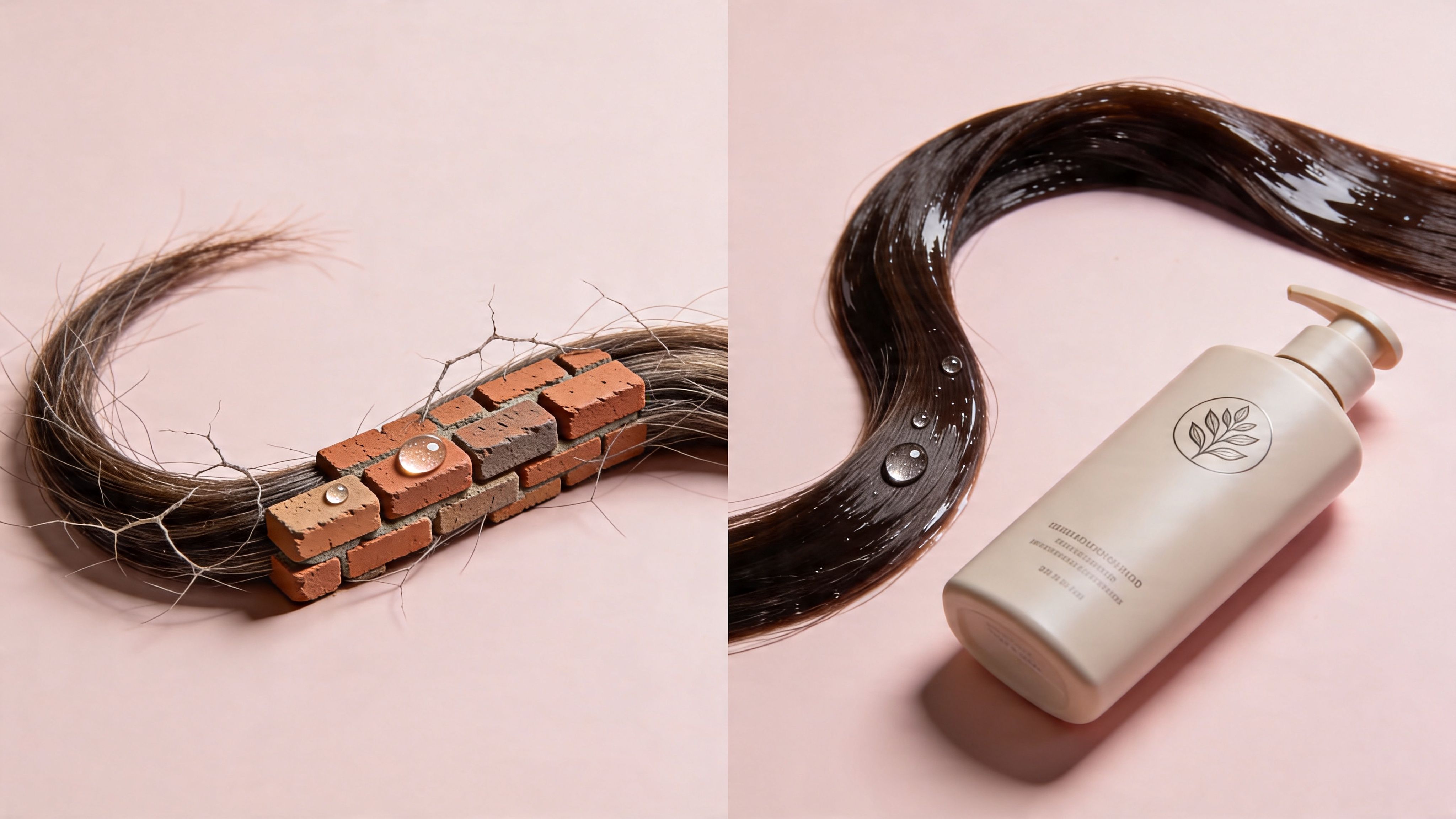
Think of the cuticle like tightly sealed shingles on a roof. On healthy, virgin hair, those shingles lie flat, keeping moisture in and protecting the inner core. But to get color into your hair, that chemical process has to lift those shingles up.
The unavoidable side effect? Your hair becomes more porous. It's like propping open thousands of tiny windows on every strand. This lets the new color in, but it also gives it an easy escape route every time you wash. You can check your hair porosity with a simple at-home test to see how much the coloring process has affected your strands.
The Problem with Harsh Shampoos
This is where your shampoo choice becomes everything. Most shampoos you find at the drugstore use powerful detergents called sulfates (like Sodium Lauryl Sulfate) to create that rich, bubbly lather we've all been taught means "clean."
For color-treated hair, these sulfates are a total disaster. They act like a pressure washer on that now-fragile roof, blasting the cuticles open and aggressively stripping away not just dirt and oil, but your expensive color molecules right along with them. This is exactly why a fresh, vibrant color can look disappointingly dull after just one or two washes with the wrong shampoo.
This isn't just speculation; it's a measurable reality. Harsh sulfates can strip up to 40-60% more pigment in the first few washes compared to gentle, sulfate-free shampoos. Your shampoo's job is to cleanse, not to strip-mine your hair.
How Color-Safe Shampoos Protect Your Investment
The best shampoo for color treated hair flips the script entirely. Instead of using brute force, it uses strategy. These formulas are built from the ground up to cleanse your hair without causing more damage or letting your color wash down the drain.
Here’s how they do it:
- Gentle Cleansers: They ditch the harsh sulfates for milder cleansing agents that lift away grime and buildup without forcing the cuticle open.
- pH Balancing: They are formulated with a slightly acidic pH, usually between 4.5 and 5.5. An acidic environment signals your hair cuticle to tighten and lie flat, effectively locking the door on your color molecules.
- Sealing and Smoothing: Many formulas include ingredients that lightly coat the hair strand, smoothing the cuticle and creating a protective barrier that minimizes how much color bleeds out when wet.
It's no surprise that shoppers are catching on. The clean beauty movement is in full swing, with nearly 70% of women now seeking out products free from controversial ingredients. Since color-treated hair is 20-30% more porous on average, keeping that cuticle sealed is your single best defense against fading. You can explore the growing shampoo market trends and research to see just how fast this change is happening.
Knowing this changes everything. You’re no longer just grabbing a bottle off the shelf; you’re choosing a specific tool to protect your hair's health and vibrancy. The first step is to figure out if your current products are helping or hurting—you can build your personalized hair routine to analyze your products and get recommendations that truly protect your color.
How to Read a Shampoo Ingredient Label
Learning to read the back of a shampoo bottle is your single best defense against premature color fade. It can feel like decoding a secret language at first, but once you know who the main players are, you’re in complete control.
The first five or so ingredients are the most important—they make up the bulk of what’s inside the bottle. This is where you’ll find the cleansers, also known as surfactants.
Spotting the Color-Stripping Surfactants
That rich, satisfying lather most of us have been taught to associate with "clean" hair? It’s usually a red flag. It’s created by harsh sulfates that act like heavy-duty detergents—great for greasy pans, terrible for delicate, color-treated hair.
These are the big offenders you want to avoid:
- Sodium Lauryl Sulfate (SLS): A notoriously aggressive and cheap cleanser. It’s so powerful it pries open your hair's cuticle, letting your precious color molecules wash right down the drain.
- Sodium Laureth Sulfate (SLES): A slightly gentler cousin to SLS, but still far too harsh for colored hair. It will strip color and moisture over time.
- Ammonium Lauryl Sulfate (ALS): Another strong surfactant to keep out of your shower if you want your color to last.
Instead, look for shampoos built on milder, sulfate-free cleansers. They clean your hair perfectly well without the damage. Look for names like Cocamidopropyl Betaine, Sodium Lauroyl Methyl Isethionate, and Disodium Laureth Sulfosuccinate.
The Good, the Bad, and the Silicones
Next up: silicones. They’re used to give your hair that silky, slippery feeling, fight frizz, and add a ton of shine. But not all silicones are your friend.
The problem lies with non-water-soluble silicones like Dimethicone and Amodimethicone. Think of them as a plastic-wrap for your hair. They build up layer by layer, eventually sealing the hair shaft off from receiving any moisture. This buildup is what leads to that dry, brittle feeling and dull-looking color.
Studies show that 65% of women under 35 with colored hair blame their shampoo for faster fading and dryness, often due to these heavy silicones. Shifting to formulas with ingredients like quinoa protein or argan oil can boost hair's elasticity by up to 25%, making it more resilient. Discover more insights into the hair care market trends on American Salon.
On the other hand, water-soluble silicones are totally fine. These are lighter, rinse away easily with water, and won't cause buildup. You can spot them by names like Dimethicone Copolyol or anything with a “PEG-” prefix.
The Supporting Cast Your Color Needs
Beyond the cleansers and silicones, a truly great color-safe shampoo will be packed with a team of protective and nourishing ingredients. These are the additives that go on offense, actively preserving your color and strengthening your hair.
Here’s a quick guide to the good guys you want to see on the label:
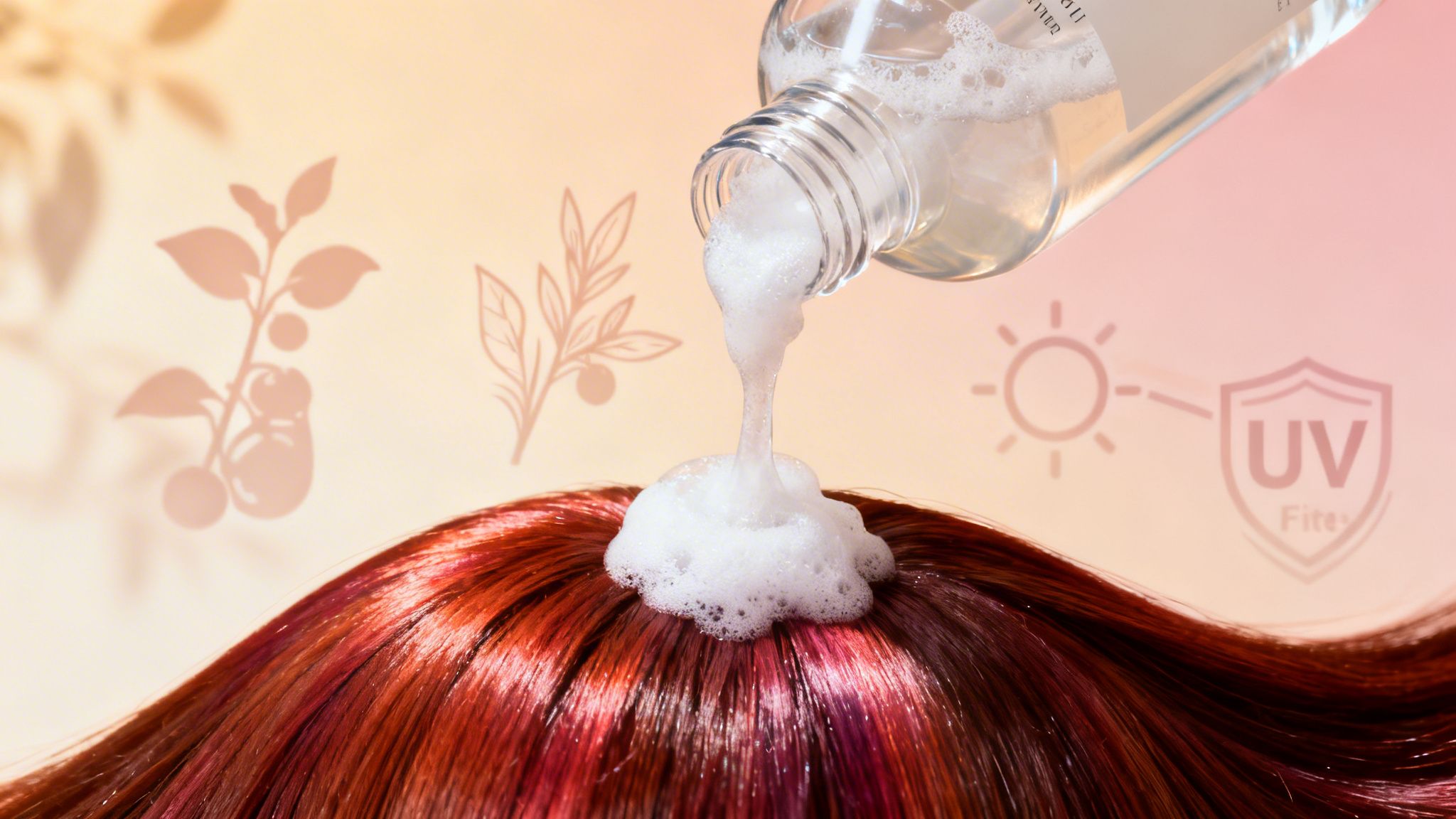
- UV Filters: Like sunscreen for your hair, these protect your color from the sun’s bleaching effects. Look for Benzophenone-4 or Butyl Methoxydibenzoylmethane.
- Antioxidants: Ingredients like Vitamin E (Tocopherol) and Green Tea Extract fight off damage from pollution and UV rays that can make your color turn dull or brassy.
- Strengthening Proteins: Hydrolyzed proteins (like Hydrolyzed Keratin or Hydrolyzed Wheat Protein) patch up the holes in a damaged hair cuticle. A stronger cuticle holds onto color molecules much better.
- Chelating Agents: These are your hard water heroes. Ingredients like Disodium EDTA or Tetrasodium EDTA grab onto the minerals in tap water that can make your color look muddy and distorted.
Of course, manually checking every label is a huge pain. The faster way is to let technology do the heavy lifting for you.
This is the perfect way to take back control. You can quickly check your ingredients with an analyzer and get an instant score. Just paste in the list, and it will flag the good, the bad, and the ugly, completely removing the guesswork.
Finally, knowing what to avoid is just as critical as knowing what to look for. Keep an eye out for drying alcohols like SD Alcohol 40 or Isopropyl Alcohol. They suck the moisture right out of your already fragile hair, leading to breakage and faster color loss.
Building Your Complete Color Care Routine
Okay, so you’ve found the perfect color-safe shampoo. That’s a huge win, but it's only half the battle. True color protection comes from building a complete routine that supports your hair from start to finish.
Think of it this way: your shampoo is your first line of defense, but it can’t protect your color all on its own. The real secret to lasting vibrancy isn't just what products you use, but how and when you use them. This is where your routine becomes personal—because what works for one person's hair won't necessarily work for yours.
Personalizing Your Wash Cycle
One of the biggest culprits of color fade is simply washing your hair too often. Every time your hair gets wet, the cuticle swells slightly, allowing some of those precious color molecules to escape. The goal is to find a sweet spot between keeping your hair clean and preserving your color.
For most people with color-treated hair, this means stretching the time between washes to every two to four days. On the "off" days, a quality dry shampoo can be your best friend for soaking up oil at the roots. Some people also swear by co-washing—washing with only conditioner—to gently cleanse without stripping color or natural oils.
Beyond Shampoo and Conditioner
A solid color-care routine needs more than just a great wash day duo. The coloring process makes hair more porous, meaning it needs regular reinforcement to stay strong, healthy, and capable of holding onto that color. This is where treatments make all the difference.
- Deep Conditioners and Masks: Use a deep conditioning mask at least once a week. These are packed with higher concentrations of moisturizing and reparative ingredients than your daily conditioner, helping to seal the cuticle and lock in moisture.
- Leave-In Conditioners: A lightweight leave-in is an essential daily shield. It provides an extra layer of moisture, helps with detangling (which prevents breakage), and guards against environmental stressors.
- UV Protectant Sprays: If you spend any significant time in the sun, a UV protectant is non-negotiable. It's literally sunscreen for your hair, stopping the sun from bleaching out your color.
To pick the right products, this flowchart breaks down how to scan a label for the most important things to look for—and what to avoid—in a shampoo for colored hair.

The main takeaway here is simple: what you avoid (like harsh sulfates and drying alcohols) is just as important as what you look for (like gentle surfactants and protective ingredients).
Building Your Routine from the Ground Up
The only routine that truly works is one built specifically for your hair. Your hair’s porosity and texture are the two biggest factors that dictate which products will give you the best results. A great first step is to take this hair type quiz to understand your hair's unique characteristics.
A common mistake is treating all color-treated hair the same. Hair that's become highly porous after bleaching needs a very different routine than hair that's only slightly porous from a single-process dye.
This is exactly why getting to know your hair is so critical. Porosity determines how well your hair can absorb and hold onto moisture, which directly affects how long your color lasts. For example, if your strands have become very absorbent, you’ll get the most out of our guide on creating a high porosity hair routine.
Once you have a handle on your hair's unique needs, you have the blueprint for creating a truly personalized plan that works.
Solving Common Color Treated Hair Problems
So, you've got the perfect color-safe shampoo and a solid routine, but things are still going a little... sideways. It happens. Chemical processing is inherently tough on our hair, and sometimes you need to troubleshoot specific issues to keep your color looking fresh.
This is your go-to guide for tackling the most common headaches that come with colored hair.

Whether it’s brassiness creeping into your blonde or your vibrant red fading way too fast, we have real, actionable fixes. Let's break down why these things happen and how to stop them in their tracks.
Fixing Brassiness in Blondes and Brunettes
Unwanted orange or yellow tones—what we call brassiness—is probably the number one complaint for anyone with lightened hair. It happens when the cool-toned pigments from your salon toner wash out, revealing the natural warm undertones that bleaching exposed.
The fix? A toning shampoo. These shampoos deposit a small amount of color to counteract and neutralize that unwanted warmth. It’s basic color theory in a bottle.
- For Blondes: Grab a purple shampoo. On the color wheel, purple is opposite yellow, so it cancels out those straw-like tones and keeps your blonde looking crisp and cool.
- For Brunettes with Highlights: You need a blue shampoo. Blue sits opposite orange on the color wheel, making it the perfect tool to knock out the brassy, orange tones that can pop up in lightened brown hair.
Use toning shampoos with a plan—think once every 1-2 weeks. Overdo it, and you could end up with dull, lavender-tinted hair. These formulas can also be a bit drying, so always chase them with a good deep conditioner.
Stopping Rapid Fading in Red Hair
The science behind red dye is a bit frustrating. Red color molecules are massive compared to other shades, which means they can't wiggle as deep into the hair shaft. The result? They slip out more easily, making red the fastest-fading color of them all.
Your main mission here is to keep that hair cuticle sealed down tight.
Switch to the gentlest, most moisturizing color-safe products you can find. A weekly color-depositing conditioner with red pigments is a game-changer for refreshing your shade between salon visits. Also, washing less often and turning down the water temperature are non-negotiable strategies for any redhead.
Restoring Shine to Dull Hair
If your colored hair looks dull, the culprit is almost always a roughed-up cuticle. Think of it this way: a smooth, flat cuticle reflects light like a mirror, giving you that incredible shine. A raised, damaged cuticle scatters light in every direction, making hair look flat and lifeless.
To bring back that gloss, your routine needs to be all about smoothing the cuticle.
Weekly deep conditioning masks are essential. You can also add a glossing treatment or a lightweight silicone serum after styling for an instant boost of reflection. If your hair still feels dull and almost coated, you might be dealing with product or mineral buildup. A gentle clarifying wash can work wonders here. Finding that sweet spot is key, especially if you have low-porosity strands prone to buildup.
The Protein and Moisture Balancing Act
Coloring fundamentally alters your hair's structure, and it almost always throws the delicate balance between protein and moisture out of whack. This balance is everything when it comes to your hair’s strength and elasticity.
How can you tell what’s wrong?
- Too much moisture, not enough protein: Your hair feels mushy when wet, overly soft, and just won't hold a curl or style.
- Too much protein, not enough moisture: Your hair feels brittle, stiff, almost like straw, and snaps easily.
This is a classic post-color dilemma. If you're not sure which way your hair is leaning, you can get a clearer picture by diagnosing the issue. Getting this balance right is the secret to strong, resilient, and vibrant colored hair that can withstand anything.
Once you know what you’re up against, you can start tweaking your product choices and routine to target these problems head-on. Don't let these common issues ruin your color goals
Your Path to Lasting Color and Healthy Hair
Alright, we’ve covered a lot. You now have the full playbook for making your hair color last longer and look better than you thought possible. It’s time to move past the marketing hype and take real control of your hair's health.
The secret to preserving that perfect, fresh-from-the-salon shade isn’t complicated. It’s all built on a few core ideas that shift you from just buying products to truly understanding what your hair needs.
Mastering the Essentials
At the end of the day, protecting your color is simple: healthy hair holds color best. A strong, sealed hair strand is your number one defense against fading. The most important things to remember are straightforward but incredibly effective.
These are the non-negotiables:
- Choose Gentle Formulas: Always—and I mean always—reach for shampoos that are sulfate-free and pH-balanced. This is the single biggest step to cleanse your hair without literally washing your color down the drain.
- Become an Ingredient Detective: Get comfortable flipping that bottle over and reading the label. Learning to spot and avoid harsh sulfates, drying alcohols, and heavy, non-soluble silicones is a superpower for anyone with color-treated hair.
- Build a Personal Routine: There is no "one-size-fits-all" bottle on the shelf. Your wash schedule, how you condition, and the treatments you use have to be tailored to your hair's unique needs—especially its porosity and texture.
You're no longer stuck guessing based on pretty packaging or a clever ad. You have the knowledge to make smart choices that deliver real results: healthy hair and brilliant, lasting color.
Now it's time to put all this information into practice. The goal is to take these concepts and build a routine that feels like it was made just for you. This is where you connect all the dots. You can use a routine analyzer to evaluate your current lineup of products and see where you can make improvements.
Frequently Asked Questions About Shampoos for Color Treated Hair
Even after you've nailed down the science, a few questions always come up when you're trying to protect your color. Let's tackle some of the most common ones so you can feel confident in your routine.
How Often Should I Wash My Color-Treated Hair?
The golden rule is simple: wash your hair as infrequently as you can get away with. Every single time your hair gets wet, the cuticle swells open, and a tiny bit of your expensive color slips out.
For most people, washing every 2 to 4 days strikes the perfect balance between keeping your hair clean and keeping your color vibrant. A good dry shampoo is your best friend on those in-between days, soaking up oil at the scalp and stretching the life of your color.
Can I Use a Clarifying Shampoo on Color-Treated Hair?
Yes, but you have to be strategic about it. Most clarifying shampoos use powerful cleansing agents that will absolutely strip your color, so they should never be your go-to wash.
However, using a gentle clarifying treatment about once a month can be a game-changer. It gets rid of the gunk—like mineral buildup from hard water or product residue—that makes your color look dull and muddy. Just be sure to follow it up immediately with a rich deep conditioning mask to put all that moisture back in.
Pro Tip: Think of clarifying shampoo as a "reset button" for your hair, not a daily cleanser. Use it sparingly to bust through buildup without busting your budget on another color appointment.
Are Expensive Color-Safe Shampoos Really Better?
A lot of the time, yes. While a high price tag doesn't automatically mean a better product, professional salon-grade shampoos are almost always more concentrated. They're packed with higher levels of the good stuff—nourishing ingredients, gentle cleansers, and color-protectors—and have fewer cheap fillers.
Drugstore formulas are often watered down, meaning you have to use more product to get the job done. That salon shampoo might cost more upfront, but because you use less per wash, the bottle lasts way longer. The cost-per-wash often ends up being surprisingly similar.
How Do I Know If My Hair Needs Protein or Moisture?
Ah, the classic post-color crisis. The chemical process of coloring throws your hair's natural protein-moisture balance completely out of whack. Figuring out what it’s screaming for is the key to bringing it back to life.
Here's the quick-check:
- It needs Moisture if: Your hair feels dry, rough, and brittle. It’s thirsty.
- It needs Protein if: Your hair feels mushy, overly soft, limp, and stretches like a gummy worm before breaking. It lacks structure.
If your hair feels stiff and snaps easily, you might actually be dealing with protein overload. The best way to know for sure is to take this quick protein overload test to get a clear diagnosis and find the right products to fix it.
Ready to stop guessing and start building a routine that actually works? The next step is taking all this knowledge and putting it into practice for your unique hair. The IsItClean Hair Routine Builder helps you design a personalized hair care plan from the ground up, using everything you've learned today. You can select products based on your specific hair type and goals to finally create a custom plan for truly vibrant, healthy, color-treated hair.