Does your hair ever feel dry and brittle, even right after you’ve slathered it in conditioner? If you’re nodding your head, you’re probably dealing with low porosity curly hair.
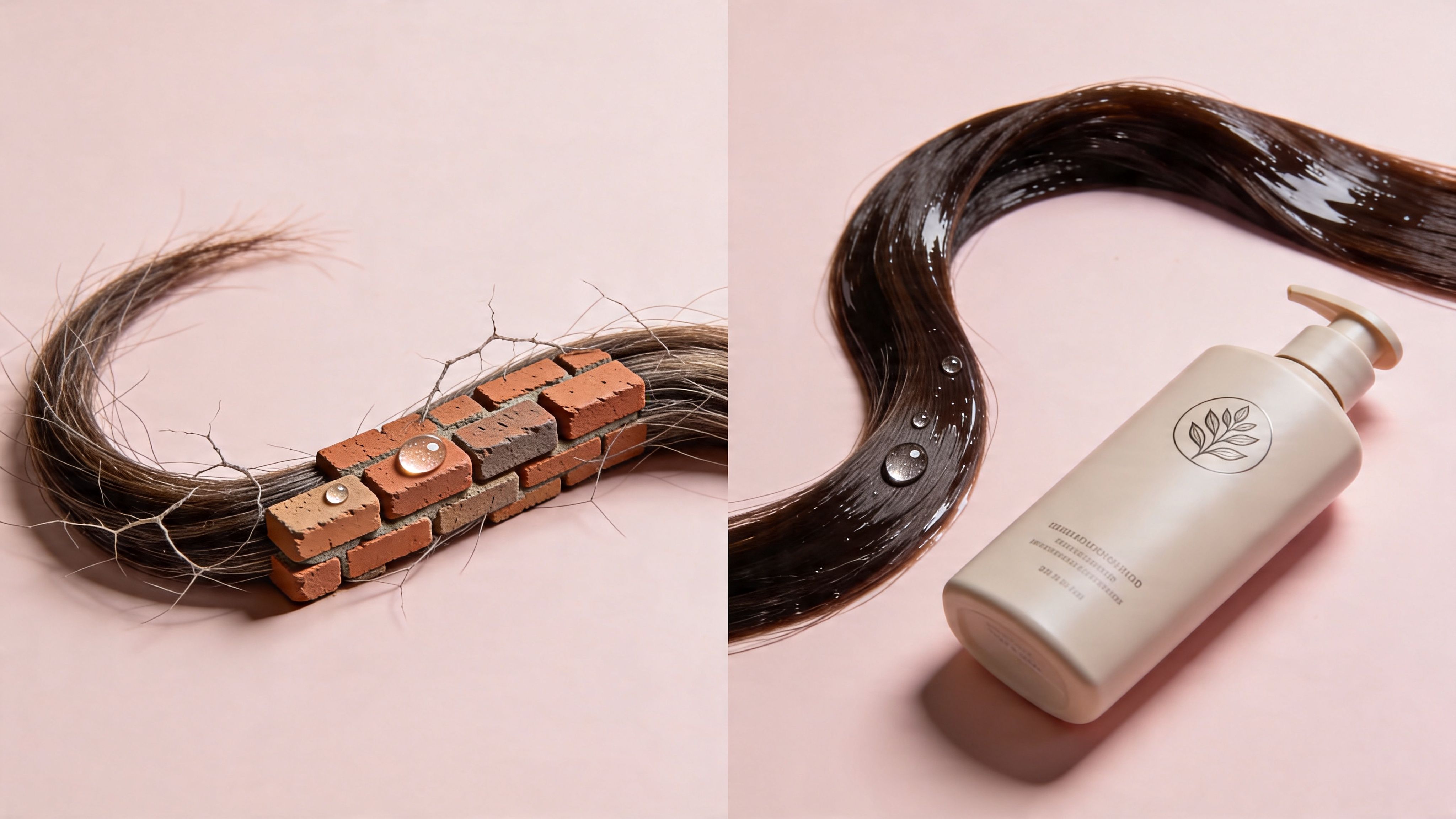
Picture your hair strand as a sealed raincoat. The outer layer, known as the cuticle, is so tightly packed and closed off that it literally repels water. This means your gorgeous curls have a tough time getting the hydration they need, leading to frustrating product buildup that weighs them down instead of moisturizing them.
What It Really Means to Have Low Porosity Curls

It’s a huge myth that all curly hair is naturally porous and thirsty. For those of us with low porosity curls, the challenge isn’t just about piling on moisture—it’s about figuring out how to get that hydration inside the hair shaft, instead of just letting it sit on the surface.
When your cuticles are shut this tight, water just beads up and rolls off. It's the reason it can take forever for your hair to feel fully soaked in the shower. It’s also why so many rich conditioners and styling creams seem to do absolutely nothing but leave behind a greasy, sticky film.
The Science Behind Your Resistant Curls
It's a wild fact that while around 65% of people have curly or wavy hair, those of us with low porosity face a very specific set of problems. Our tightly closed cuticles are fantastic at preventing breakage, making our hair resilient, but they also block moisture from getting in.
This is all down to the structure of the hair itself. The cuticles lie flat and overlap so tightly that they form a protective barrier. To get products to actually absorb, you need to gently coax that cuticle to lift just enough to let the good stuff penetrate. It's less about fighting your hair and more about learning to work with it.
Not sure if this sounds like you? The easiest way to know for sure is to take a quick hair porosity test right at home.
Quick Guide to Low Porosity Curly Hair
To help you get started, here's a quick cheat sheet summarizing the main traits of low porosity hair, the common struggles that come with it, and a few key tips to get you on the right track.
| Characteristic | Description & Common Struggles | Quick Tip |
|---|---|---|
| Water Resistance | Hair takes a long time to get wet; water beads up on the strands instead of soaking in. | Use warm water when washing and conditioning. The warmth helps gently lift the cuticle so moisture can get in. |
| Product Buildu | Heavy creams and oils tend to just sit on top of the hair, making it feel greasy, filmy, or weighed down. | Stick to lightweight, water-based products. Clarify every 2-4 weeks to hit the reset button and remove residue. |
| Slow Absorption | Conditioners and stylers seem to coat the hair but never truly sink in, leaving a slippery film. | Apply products to damp (not soaking wet) hair. Use your hands to emulsify and really press them into your strands. |
| Increased Dryness | Hair feels perpetually dry, stiff, and lacks elasticity, even after using "moisturizing" products. | Add deep conditioning with gentle heat (like a thermal cap) to your routine. This helps the ingredients penetrate deeply. |
For more tips on how porosity affects your hair care choices, you can find other helpful guides on our hair care blog.
Figuring out low porosity hair can feel like solving a puzzle at first. But once you understand these core principles, you can finally stop the endless cycle of trial and error. The goal is to create a consistent, effective routine that leaves your curls hydrated and happy. The best way to do that is to build your personalized hair routine with a tool designed to understand your hair's unique needs from the start.
The Science of Hydrating Resistant Curls

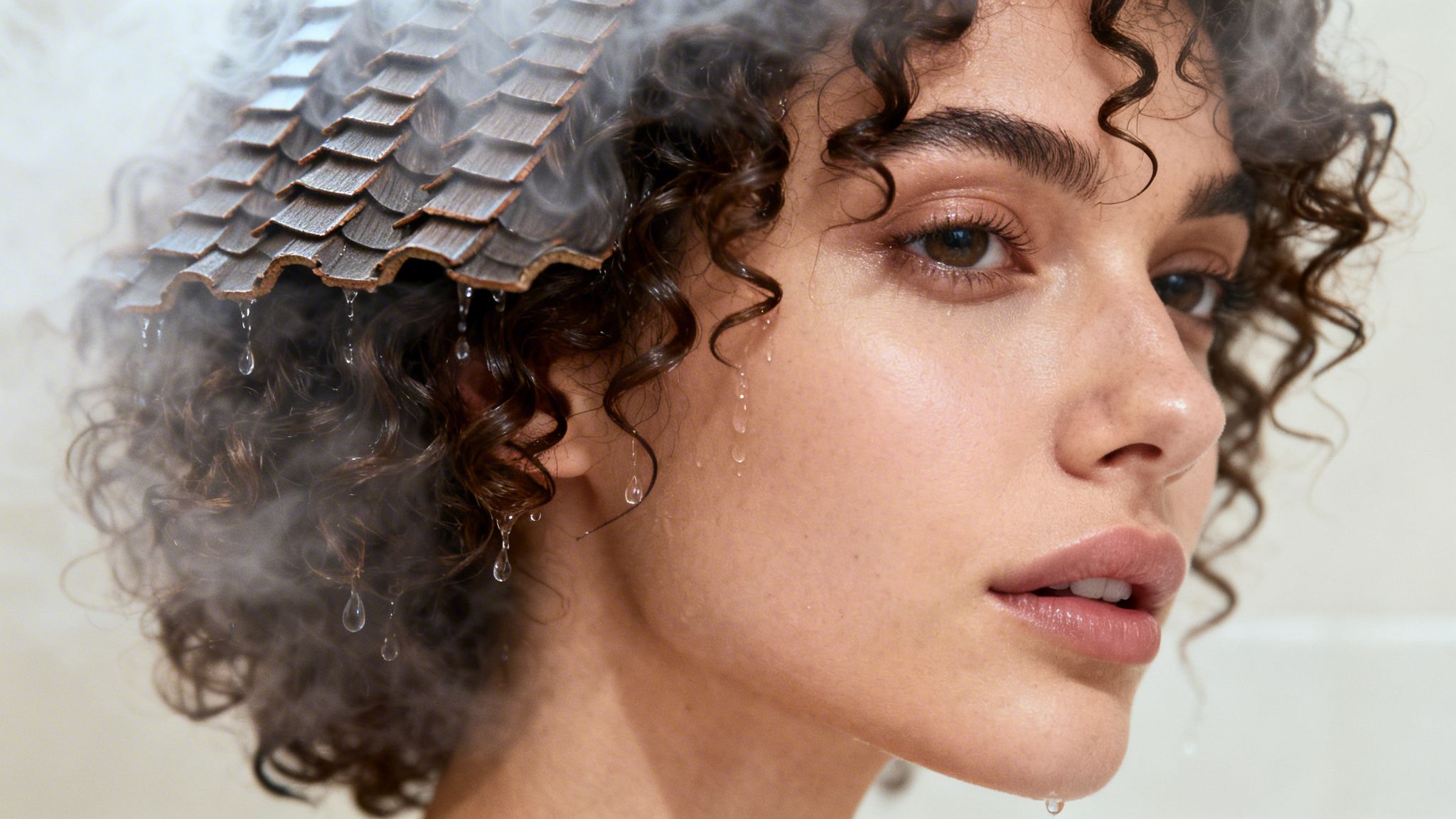
So, why does your low porosity curly hair seem to fight moisture at every turn? It all comes down to its physical structure. Imagine your hair's cuticle layer is like the shingles on a brand-new roof—they're packed down flat and tight, creating a waterproof seal.
This structure is a bit of a double-edged sword. On one hand, it makes your hair naturally strong and less prone to certain types of damage. On the other, it makes getting much-needed hydration inside the hair shaft a serious challenge. The secret isn't to fight this fortress-like structure, but to learn how to work with it.
Using Heat to Your Advantage
One of the best tricks in the book for low porosity hair is using gentle, controlled heat. A little bit of warmth coaxes those tightly sealed cuticles to lift just enough, creating tiny gateways for water and conditioner to finally get inside.
Now, this doesn't mean grabbing your flat iron. We're talking about smart, strategic warmth integrated into your wash day.
- Warm Water Rinses: It sounds simple, but washing and rinsing your hair with warm water is a game-changer. This step preps the hair, making it far more receptive to the products that follow.
- Deep Conditioning with Heat: This is non-negotiable. After applying your deep conditioner, pop on a plastic shower cap. You can then wrap a warm, damp towel around your head or use a thermal heat cap for 15-20 minutes to really drive that moisture in.
- Hair Steaming: If you're ready to level up, a hair steamer is an incredible tool. The warm vapor gently opens the cuticles, allowing water molecules to deeply penetrate your strands.
These methods ensure you’re not just slathering product on the surface. You're actually helping hydration get to the core of the hair, where it can do some real good.
The Delicate Protein-Moisture Balance
For low porosity curls, getting the protein-moisture balance right is everything. Because those cuticles are so compact, protein-heavy products have a hard time getting in and can easily build up on the outside of the hair. This is what leads to that stiff, brittle, straw-like feeling that so many people with low porosity hair complain about. It has a name: protein overload.
If your curls snap when you stretch them, feel rough to the touch, and have gone limp, you're likely dealing with too much protein. It’s a frustrating roadblock, but you can quickly figure out if this is your issue with a helpful protein overload test. This will give you the clarity you need to fix it.
Key Insight: Low porosity isn't just a hair "type." Scientific studies confirm its cuticle layers are so tightly bound that they resist penetration from both water and the natural oils your scalp produces. This is why strands can feel chronically dry even though the hair itself is structurally sound. Research shows low porosity hair can be 20-30% more resistant to hydration than other hair types, demanding a smarter approach to care. You can read more curly hair facts and statistics to dive deeper into the science.
To bring your hair back into balance, you'll want to go on a "protein diet." Focus exclusively on moisture-rich, protein-free products loaded with lightweight hydrators like aloe vera and glycerin. Once your hair feels soft, bouncy, and elastic again, you can slowly reintroduce a protein product every few weeks, paying close attention to how your hair responds. This is how you'll find and maintain your hair's perfect sweet spot.
Understanding these principles is the first real step toward getting the juicy, hydrated curls you've been chasing. When you're ready to put this knowledge into practice, the next move is to build your personalized hair routine with products perfectly suited to your hair's unique needs.
Choosing the Right Products for Your Curls
Walking down the hair care aisle when you have low porosity curly hair can be completely overwhelming. It feels like every other product is packed with heavy butters and rich oils that, while great for some curls, will just sit on top of yours, leaving them greasy and weighed down.
The secret isn't about finding the most "moisturizing" product—it's about finding the smartest one. You need formulas with lightweight ingredients that are small enough to actually get past your hair's tightly sealed cuticle layer, instead of just causing buildup.
Lightweight Hydrators Are Your Best Friends
Your main goal is to get water into the hair shaft and convince it to stay there. This is a job for humectants, which are clever little ingredients that pull moisture from the air right into your hair. But for low porosity hair, the lighter, the better.
Look for products that feature these hydrating powerhouses:
- Glycerin: A classic humectant that draws in water without a hint of greasiness.
- Aloe Vera: This plant is mostly water, making it a superstar for gentle, lightweight hydration for both your hair and scalp.
- Honey or Agave Nectar: Natural humectants that not only add moisture but also a beautiful, soft shine.
- Panthenol (Pro-Vitamin B5): This ingredient is a double-win. It hydrates and penetrates the hair shaft to make it stronger from the inside out.
The Right Oils for Sealing Without Suffocating
Once you've got all that lovely moisture locked in, you need to seal it. This is the step where so many low porosity curlies get it wrong. Reaching for popular heavy-hitters like castor or coconut oil will almost always lead to a greasy mess because their molecules are too large to penetrate.
Instead, you need lightweight sealing oils that can do the job without suffocating your strands.
Good choices for sealing and adding shine include:
- Argan Oil: Packed with fatty acids and vitamin E, it absorbs quickly and is a champ at fighting frizz.
- Jojoba Oil: The structure of this oil is incredibly similar to your scalp's natural sebum, so your hair knows just what to do with it.
- Grapeseed Oil: One of the lightest oils out there, it gives you shine and slip without ever weighing your curls down.
- Sweet Almond Oil: Amazing for softening your hair and giving it a healthy, non-greasy sheen.
Imagine your hair cuticles as tightly overlapped shingles on a roof, designed to keep everything out. That's low porosity. It’s naturally resistant to damage, but it also resists water and most products, leading to that frustrating buildup. A recent report found that 50% of curly women struggle to find the right products, a problem that’s even worse for low porosity types. You can discover more insights about the curly hair market on marketreportanalytics.com.
Ingredient Guide for Low Porosity Curly Hair
To make things even easier, I've put together a simple cheat sheet. Keep this handy next time you're shopping for new products or feeling unsure about what’s already in your shower.
For a curated list of products that already fit these guidelines, you can explore a collection of dedicated low porosity hair products.
| Ingredient Category | Embrace These (Lightweight & Absorbent) | Avoid or Use Sparingly (Heavy & Film-Forming) |
|---|---|---|
| Oils & Butters | Jojoba, Argan, Grapeseed, Sweet Almond, Avocado Oil. | Shea Butter, Cocoa Butter, Mango Butter, Castor Oil, Coconut Oil. |
| Humectants | Glycerin, Aloe Vera, Honey, Panthenol, Agave Nectar. | Propylene Glycol (can be too heavy for some). |
| Conditioning Agents | Cetrimonium Chloride, Behentrimonium Methosulfate (BTMS). | Heavy, film-forming silicones (like Dimethicone). |
| Proteins | Hydrolyzed Silk, Wheat, or Soy Protein (in small amounts). | Large, un-hydrolyzed proteins; frequent protein treatments. |
Remember, this is about finding what works for your unique curls. Instead of endless trial and error, a good starting point is to analyze the ingredients of any product you’re considering to instantly see if it contains these beneficial hydrators or hidden heavyweights.
Your Step-by-Step Low Porosity Hair Routine
Alright, now that we've covered the science of low porosity hair and the ingredients that make it thrive, let's put it all together into a wash day routine that actually works. A great routine for low porosity curly hair isn't about using a million products; it’s about a few smart, targeted steps that cooperate with your hair's stubborn structure.
We'll walk through the four key stages: Clarifying, Cleansing, Conditioning, and Styling. Mastering these techniques is the secret to finally getting moisture into the hair shaft and keeping that frustrating buildup from ever starting.
Step 1: Clarify to Create a Clean Slate
Think of this as pressing the reset button for your hair. Because low porosity curls are such a magnet for product buildup, regular clarifying is a non-negotiable part of your routine. It strips away the film of old stylers, hard water minerals, and silicones that are literally blocking moisture from getting in.
You'll want to use a good, sulfate-free clarifying shampoo every 2-4 weeks. How do you know it's time? Your curls might feel limp, look dull, or you'll notice your go-to products just aren't working anymore. This one step makes everything else you do so much more effective.
Step 2: Cleanse Gently and With Warmth
For your regular washes in between clarifying days, reach for a lightweight, moisturizing, and sulfate-free shampoo. The real trick here is to use warm water. That gentle heat helps persuade your hair's tightly-sealed cuticles to lift just enough to let some hydration in.
When you're shampooing, concentrate the product right on your scalp—that’s where most of the oil and grime collects. If your scalp is particularly prone to irritation, taking a quick scalp sensitivity quiz can help you find shampoos with gentle, non-triggering ingredients. As you rinse, just let the suds run down the length of your hair. This cleanses the strands without aggressively stripping them of the moisture you're working so hard to get.
Step 3: Condition With Purpose and Heat
This is where you can make the biggest difference for low porosity hair. Just slapping on some conditioner and rinsing it out five seconds later isn't going to cut it. You have to actively help it penetrate the hair strand.
Start by gently squeezing the excess water out of your hair after cleansing. Then, apply a lightweight, protein-free conditioner that's full of humectants like glycerin or aloe.
The "Squish to Condish" Method: This is a non-negotiable technique. Flip your hair over, add a bit of water to your hands, and repeatedly scrunch your hair up towards your scalp. You’re looking for that satisfying "squishing" sound—it’s the sound of your hair absorbing the water-and-conditioner mix, literally forcing hydration into the strand.
Once the conditioner is worked in, pop on a plastic shower cap and add some gentle heat for 15-20 minutes. A thermal heat cap, a towel warmed in the dryer, or even just the steam from your shower will work beautifully to help that moisture sink deep into the hair shaft.
Step 4: Style on Damp, Not Soaking Wet, Hair
This is a huge mistake many people with low porosity hair make. When you apply stylers to sopping wet hair, the strand is already full of water. The product has nowhere to go, so it just sits on top, leading to a sticky, flaky mess once your hair dries.
Instead, use a microfiber towel or an old cotton t-shirt to gently scrunch out the excess water until your hair is just damp. Now, your strands are actually ready to absorb product. Apply your lightweight leave-in, curl cream, and gel in sections, using your hands to smooth and almost press the products into the hair for even, effective application.
This simple flowchart shows how small choices—like picking hydrators over heavy butters—can totally change your results.

While this routine is a solid foundation, the best results always come from a personalized approach. Instead of guessing your way through endless product trials, you can build your personalized hair routine with our analyzer. It looks at your unique hair properties to recommend specific products and a tailored routine, helping you get maximum moisture with zero buildup.
Feel free to explore our other hair care tools to get even more specific insights for your curls.
Troubleshooting Common Low Porosity Problems
Even with what seems like the perfect routine, low porosity hair can have a mind of its own. It's easy to get frustrated when your curls just won't cooperate, but don't give up—most of these stubborn issues have surprisingly simple fixes. Let's walk through the most common low porosity headaches and get your hair back to its best self.
Problem 1: The Greasy But Dry Feeling
This is the classic low porosity paradox. Your hair feels oily and coated on the outside, but when you touch the strands underneath, they’re stiff and desperate for moisture. What’s going on? You're likely using products that are too heavy for your tightly-sealed hair cuticles.
Thick butters like shea or cocoa, and certain heavy oils like coconut or castor, have large molecules that can't get inside the hair shaft. Instead, they just sit on the surface, creating a film that actually blocks water from ever getting in.
- The Cause: Heavy, film-forming ingredients are creating buildup and preventing true hydration.
- The Solution: Hit the reset button with a good clarifying shampoo to strip away all that buildup. Then, make the switch to lightweight, water-based products. Look for ingredients like glycerin and aloe, and choose stylers with a lotion or serum-like consistency, not a thick paste.
Problem 2: Flash-Drying Curls
Have you ever applied a styler and watched your hair go from damp to almost bone-dry in seconds? That’s called flash-drying, and it's a huge red flag that an ingredient is aggressively pulling water out of your hair shaft.
The most common culprit here is a high concentration of glycerin when the air around you is very dry. When there's no humidity in the air for glycerin to pull from, it steals moisture from the closest source—your hair—leaving it parched and brittle.
Expert Tip: This doesn't mean all humectants are bad! It's all about a balanced formula. Look for products where glycerin is paired with film-forming humectants (like aloe or panthenol) or light oils. These ingredients help trap moisture instead of letting it evaporate.
- The Cause: High amounts of simple humectants (like glycerin) are used in low-humidity weather.
- The Solution: Pay attention to the dew point! On dry days, reach for styling products with little to no glycerin. Also, try applying your stylers to damp hair rather than soaking wet hair. This gives the product something to grab onto besides the water inside your strands.
Problem 3: Limp Curls That Won't Hold a Style
If your curls look defined on wash day but fall completely flat by day two, they're likely being weighed down. This isn’t just about heavy products; it’s often a sign of over-moisturizing your hair without giving it enough structural support.
While low porosity hair doesn't need a ton of protein, it definitely needs some to maintain its spring and bounce. If your entire routine is 100% focused on moisture, your curls can become too soft and lose their shape.
- The Cause: A moisture and protein imbalance, usually from using too many rich, creamy conditioners and not enough products that offer hold.
- The Solution: Try adding a product with small, hydrolyzed proteins (like silk or wheat) into your routine every few washes. More importantly, make sure your final styling product is a gel or mousse that creates a strong, lightweight cast. This cast is what will physically hold your curl pattern in place for days.
If you think your products might be behind any of these issues, you don’t have to play a guessing game. Using a smart Routine Analyzer can scan your ingredient lists for you, flagging exactly what could be causing the trouble. It takes the guesswork out of troubleshooting so you can get back to having happy, hydrated curls much faster.
Build Your Perfect Low Porosity Regimen
Alright, we've gone deep into the science of low porosity curly hair. You now understand why your hair acts the way it does—its tightly-packed cuticles, its resistance to moisture, and its tendency to get weighed down. But knowledge is one thing; results are another. It’s time to turn all this theory into a practical, working routine.
Let's be real: the cycle of buying products that just sit on top of your hair, causing buildup and frustration, is exhausting. The solution isn't some miracle cream. It’s a consistent, intelligent system built specifically for your hair's moisture-resistant structure.
From Theory to a Real-World Routine
Putting the pieces together is where most people get stuck. You know that gentle heat can help products penetrate your hair shaft. You know that lightweight, humectant-rich ingredients are your secret weapon and that heavy butters and oils are the enemy.
This is the foundation for success. The next step is building these principles into a weekly practice that finally gives you the hydrated, defined curls you’re after—without the guesswork.
Final Takeaway: The key to managing low porosity curly hair is personalization and precision. A generic "curly girl" routine will fail because your hair's needs are incredibly specific. Success comes from using the right products, in the right order, with the right techniques.
Instead of staring at a bathroom cabinet full of mismatched products, you can take everything you've learned and plug it into our AI-powered Hair Routine Builder. The tool does the heavy lifting for you. It uses your specific porosity, results from the hair type quiz, and your personal goals to generate a complete, step-by-step regimen.
It’s not just a generic template. The builder recommends clean, effective products that are actually proven to work for low porosity curls. This is the most direct path to building a routine that works—and finally getting the healthy, hydrated hair you deserve.
Frequently Asked Questions
Even after you've got the basics down, a few tricky questions about managing low porosity curly hair always seem to surface. Let's tackle some of the most common ones I hear so you can get your routine perfectly dialed in.
How Often Should I Clarify My Low Porosity Curly Hair?
Clarifying is a non-negotiable step for us. As a general starting point, aim to clarify every 2-4 weeks. This is usually the sweet spot for clearing out the product residue, hard water minerals, and oils that love to camp out on our tightly sealed hair strands.
But the best way to know? Listen to your hair. If your curls suddenly look dull, feel limp and greasy even after a wash, or your holy grail products just stop working their magic, that's your hair screaming for a reset.
Just remember to always follow a clarifying wash with a good deep conditioner. A little gentle heat from a steam cap will help that much-needed moisture penetrate and get your curls back to their happy, hydrated state.
Can Low Porosity Hair Become High Porosity?
Absolutely. While you’re born with a certain porosity thanks to genetics, it's not set in stone. The biggest culprit for changing your hair’s porosity is damage.
Think of chemical treatments like bleach and hair color, or consistent use of high heat. These things can physically blast open your hair's tightly sealed cuticle layer. Once that smooth, protective barrier is damaged and lifted, your hair becomes much more porous.
So if your tried-and-true routine suddenly isn't cutting it anymore, it might be time to check your hair porosity again. Your hair’s needs might have changed.
Why Don't Some Curly Girl Approved Products Work For Me?
This is a big one. It's so frustrating when you buy a popular "Curly Girl Method" approved product only for it to be a total flop. The reason is that the CGM is a fantastic starting point, but it's a broad framework, not a one-size-fits-all rulebook.
A lot of popular CGM products are packed with heavy butters, thick oils, and large protein molecules. These ingredients are a dream for high porosity hair that needs to trap moisture, but they’re a nightmare for low porosity curls. They can't penetrate our hair shaft, so they just sit on the surface, causing instant, greasy buildup.
Your hair is going to be so much happier with lightweight, water-based formulas. This is exactly why it’s worth taking a few minutes to build your personalized hair routine, ensuring every single product is actually right for your hair's unique structure.