If you have low porosity hair, you know the frustration all too well. You slather on conditioners and pile on rich creams, only to find them sitting on top of your hair in a greasy film. Underneath it all? Your hair is still stubbornly dry.
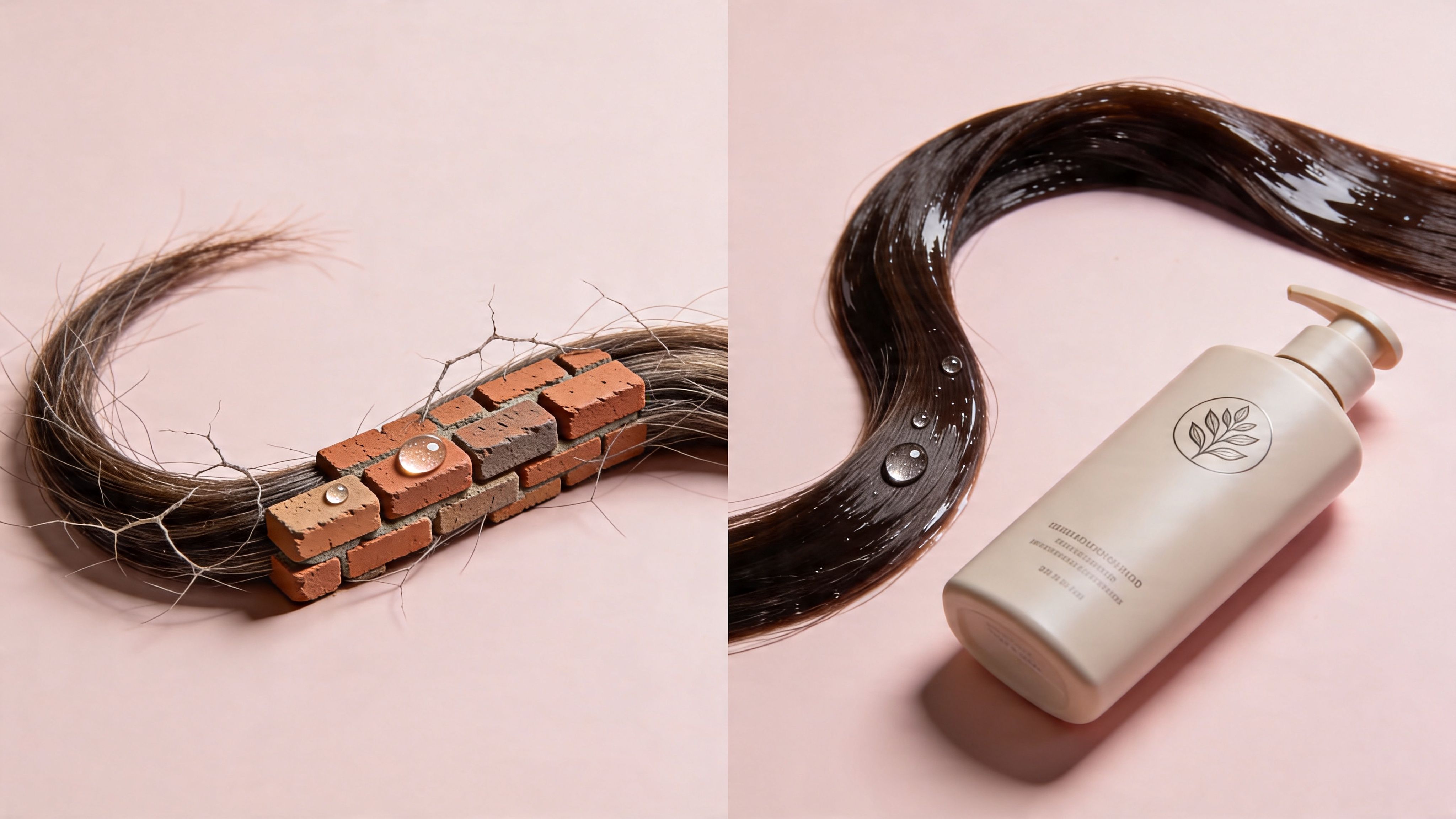
It’s like trying to water a plant with a waxy coating on its leaves. The water just beads up and rolls right off, never getting to where it’s actually needed.
Why Your Low Porosity Hair Stays Dry
This isn't just in your head—it's the core challenge of having low porosity hair. The cuticle, which is the outermost layer of your hair strand, is made of tightly packed, overlapping scales. This structure is great for protecting your hair from damage, but it's also a fortress against moisture. Nothing gets in easily.
This experience is incredibly common. In fact, low porosity hair is a reality for roughly 40-50% of people with curly and textured hair. It’s no wonder that 65% of low porosity hair consumers report struggling with product buildup—the products just can’t penetrate the hair shaft.
The secret to moisturizing low porosity hair isn’t about piling on more product. It’s about using the right products and techniques to gently coax the cuticle open just enough for moisture to sneak inside.
Once you get that moisture in, the same tight cuticle that kept it out will now work in your favor, sealing it in for long-lasting hydration.
The Right Tools for the Job
So, how do you do it? It starts with lightweight, water-based formulas and a little bit of gentle heat to help them absorb. Forget the heavy butters and thick creams that just coat your strands. We're aiming for penetration.

This means we need a smarter approach. If you find your hair absorbs moisture almost instantly but can't seem to hold onto it, you might have the opposite problem. In that case, our guide for a high porosity hair routine is what you need.
To help you get started on the right foot, here’s a quick-reference guide. This table breaks down the most effective product types for low porosity hair, the key ingredients to look for, and the best way to apply them.
Quick Guide to Moisturizing Low Porosity Hair
| Product Type | Key Ingredient to Look For | Application Tip |
|---|---|---|
| Lightweight Leave-In Conditioner | Glycerin, Aloe Vera, or Panthenol | Apply to damp, warm hair right after your shower to help the cuticle lift slightly. |
| Water-Based Cream or Milk | Water (as the first ingredient) | Use the "praying hands" method to smooth the product down the hair shaft, encouraging the cuticle to lay flat and seal. |
| Penetrating Oils | Argan, Grapeseed, or Jojoba Oil | Use just a few drops on your ends to seal in moisture after you’ve hydrated with your leave-in. |
Think of this table as your cheat sheet for fighting dryness. By choosing the right formulations and applying them correctly, you can finally get moisture into your hair, not just sitting on top of it.
Choosing Ingredients That Actually Hydrate
The secret to finally getting moisture into your low porosity hair isn't in a flashy marketing campaign—it's written right on the back of the bottle. When you learn to decode an ingredient list, you can see past the hype and pick products that deliver true hydration, not just a greasy film that sits on top of your strands.
For low porosity hair, reading that list is like having a treasure map. The first, most important landmark to look for is simple: water (aqua) must be the #1 ingredient. Your hair is already resistant to absorbing moisture, so you need products that are mostly made of it. If water is buried deep in the list, the product is probably too heavy and will just cause buildup.

Lightweight Humectants Are Your Best Friends
After water, you want to spot lightweight humectants. Think of these as tiny moisture magnets. They work by pulling water from the product (and even the air) into your hair shaft. Because they're lightweight, they do this without creating a heavy, sticky film.
These are some of the best ones to look for:
- Glycerin: An absolute powerhouse for hydration that draws moisture deep into the hair.
- Aloe Vera: It’s naturally water-based and packed with soothing properties that your hair can easily drink up.
- Panthenol (Pro-Vitamin B5): This ingredient is a double-win—it moisturizes while also adding a bit of strength and shine.
- Hyaluronic Acid: Famous in skincare for its ability to hold incredible amounts of water, it offers the same intense, weightless hydration for hair.
The science is pretty simple. It's the same reason glycerin for skin is so popular in moisturizers—it’s all about attracting and holding onto water.
Ingredients To Approach With Caution
Knowing what not to use is just as crucial as knowing what to look for. Some ingredients are notorious for creating problems for tightly-sealed low porosity hair. They either sit on the surface or are simply too heavy to get in, which leads to that awful feeling of hair that's somehow stiff, greasy, and still dry underneath.
Here are the main culprits to watch out for:
- Heavy Butters and Oils: Ingredients like shea butter, castor oil, and even coconut oil have large molecules that can't easily squeeze past the tight cuticles of low porosity hair. They just sit on top, forming a barrier that blocks actual moisture from ever getting in.
- Non-Water-Soluble Silicones: Many ingredients ending in "-cone" give hair that slippery, shiny feeling, but they aren't water-soluble. They build up layer by layer, forcing you to use harsh shampoos to remove them and preventing your moisturizers from working.
- Heavy Proteins: While hair needs protein for strength, large protein molecules can make low porosity hair feel rigid and brittle. If you do use protein, make sure it’s in a form your hair can actually absorb, like hydrolyzed proteins (hydrolyzed silk or wheat protein are great examples).
Focusing on a handful of key ingredients makes all the difference. In fact, studies show that humectants like glycerin can boost moisture retention by 25% in low porosity strands when applied to damp hair. On the flip side, over 70% of people with low porosity hair report stiffness and buildup from heavy butters and non-soluble silicones.
Navigating these ingredients can feel like a chemistry lesson. Instead of memorizing long lists, you can instantly analyze your ingredients with our simple checker to see if a product is a good fit for your hair.
By prioritizing water-based formulas packed with lightweight humectants—and steering clear of heavy, film-forming ingredients—you’re setting yourself up for success. This ingredient-first mindset is the foundation for building a routine that finally gets your hair the hydration it’s been craving.
Your Essential Low Porosity Product Arsenal
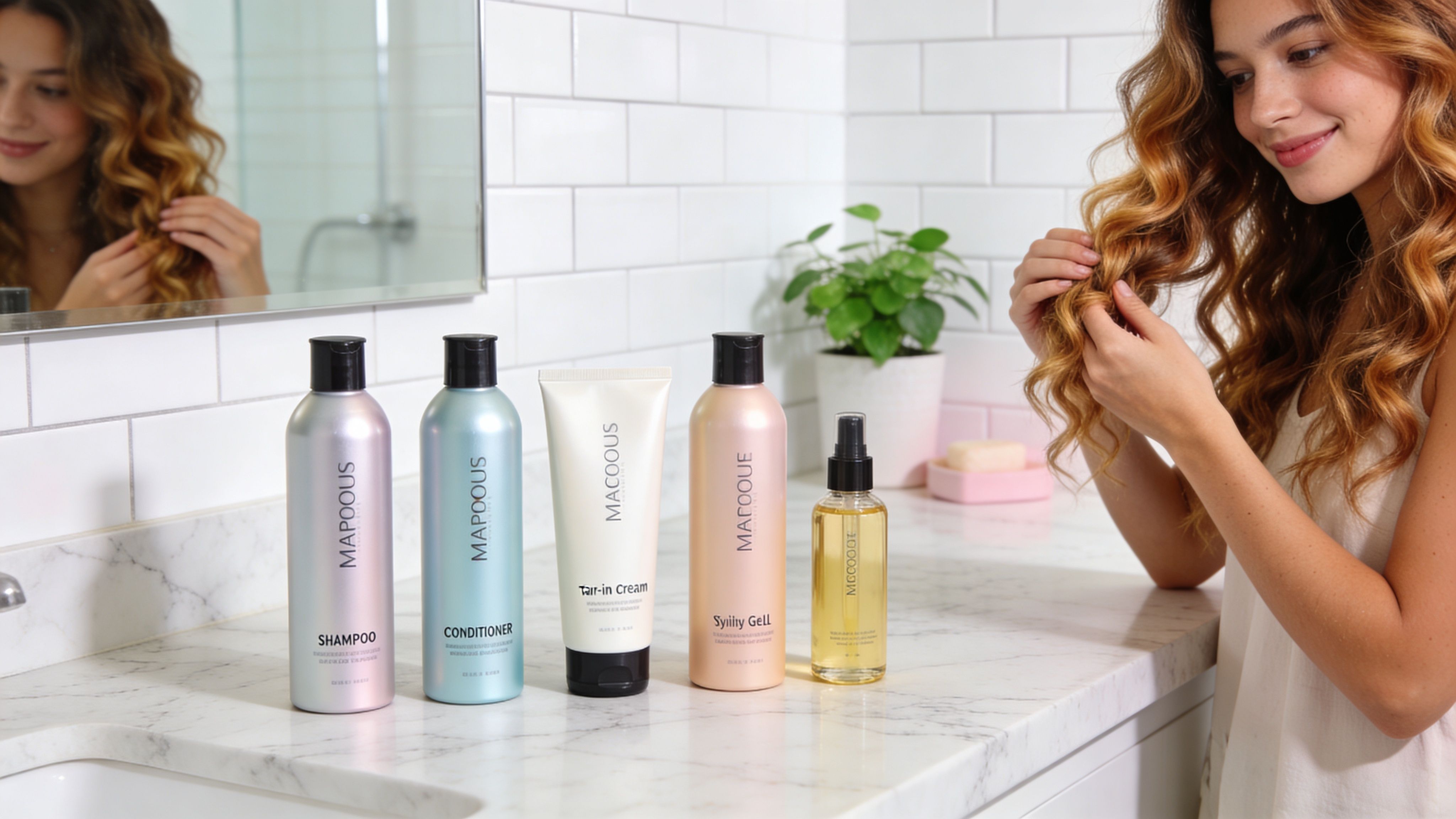
Now that you know which ingredients to look for (and which to run from), it's time to build your starting lineup. Having the right moisturizing products for low porosity hair is like having a perfectly organized toolbox—each one has a specific job, and together, they get the work done right.
The goal isn't to pile on dozens of products. It’s about being strategic with a few key categories that work with your hair's structure, not against it. We’ll focus on four essential product types that will form the foundation of any successful low porosity routine.
The Four Must-Have Product Categories
Think of these four products as your core team. Each one targets a specific need for low porosity hair, from clearing the buildup that blocks moisture to sealing in the hydration you’ve worked so hard to achieve.
Clarifying Shampoo: This is your non-negotiable reset button. Because low porosity hair is a magnet for product buildup, even the best moisturizers will eventually sit on top and do nothing. A gentle clarifying shampoo used every 2-4 weeks strips away that film, giving you a clean slate so your products can actually work.
Lightweight Leave-In Conditioner: This is your main moisture step. You're looking for sprays, milks, or watery lotions where "aqua" (water) is the first ingredient. These formulas absorb quickly without weighing hair down, delivering humectants like glycerin and aloe vera straight into the hair shaft.
Water-Based Styler: This product helps shape and define your hair while adding another layer of light hydration. Think gels, mousses, or light creams that set your curls or waves without the heavy butters and oils that lead to instant buildup. A good styler locks in your look and the moisture from your leave-in.
Light Penetrating Oil: This is your final sealant, but you have to be picky. Unlike heavy oils that just coat the hair, lightweight options like argan, grapeseed, or jojoba oil have smaller molecules that can penetrate just enough. Use only a few drops on your ends to lock in all the water-based goodness you've applied.
Putting It All Together for Maximum Impact
Just having these products isn't enough—how you use them is what makes the difference. For example, applying your lightweight leave-in to warm, damp hair right out of the shower helps the cuticle lift just enough for the product to sink in. Following that with a water-based gel using the "praying hands" method smooths the cuticle back down, trapping that precious moisture inside.
The global market for moisturizing products for low porosity hair has exploded, hitting $2.5 billion as more people demand solutions that actually work. This boom has driven a 62% growth in clean, sulfate-free formulas since 2019, but problems persist. With low porosity strands absorbing only 10-20% of typical product, 45% of users still report limp, "moisture-overloaded" hair from using creams that are far too heavy.
Choosing products isn't just about avoiding what's "bad"; it's about actively selecting what is optimal for your hair's structure. A lightweight, water-first approach is non-negotiable for true hydration.
As you curate your routine, it's interesting to note how trends in related beauty categories, often driven by skin care influencers, shape the conversation around ingredients and product efficacy.
Figuring out which specific brands fit into these categories can feel like a full-time job. To take out all the guesswork, you can build your personalized hair routine with our smart tool. It analyzes your hair's unique properties to recommend the right combination of products, helping you build an effective regimen from day one.
Mastering Your Moisture Application Technique
Having the right moisturizing products for low porosity hair is only half the battle. How you apply them is what actually gets the job done.
Even the most perfect, lightweight formula will just sit on top of your strands if it can’t get past that tightly sealed cuticle layer. Mastering your application technique is the single most important step to ensure moisture sinks in deep, instead of just evaporating off the surface.
Think of it like trying to water a plant with waxy leaves. You can spray it all day, but the water just beads up and rolls off. You need a way to help that water penetrate. For low porosity hair, strategic application—especially using warmth and water—is how we gently lift the cuticles and let the good stuff in.
The Power of Warmth and Water
Your two most powerful tools are shockingly simple: warmth and water. For low porosity hair, applying products to damp, warm hair isn't just a good idea—it's non-negotiable.
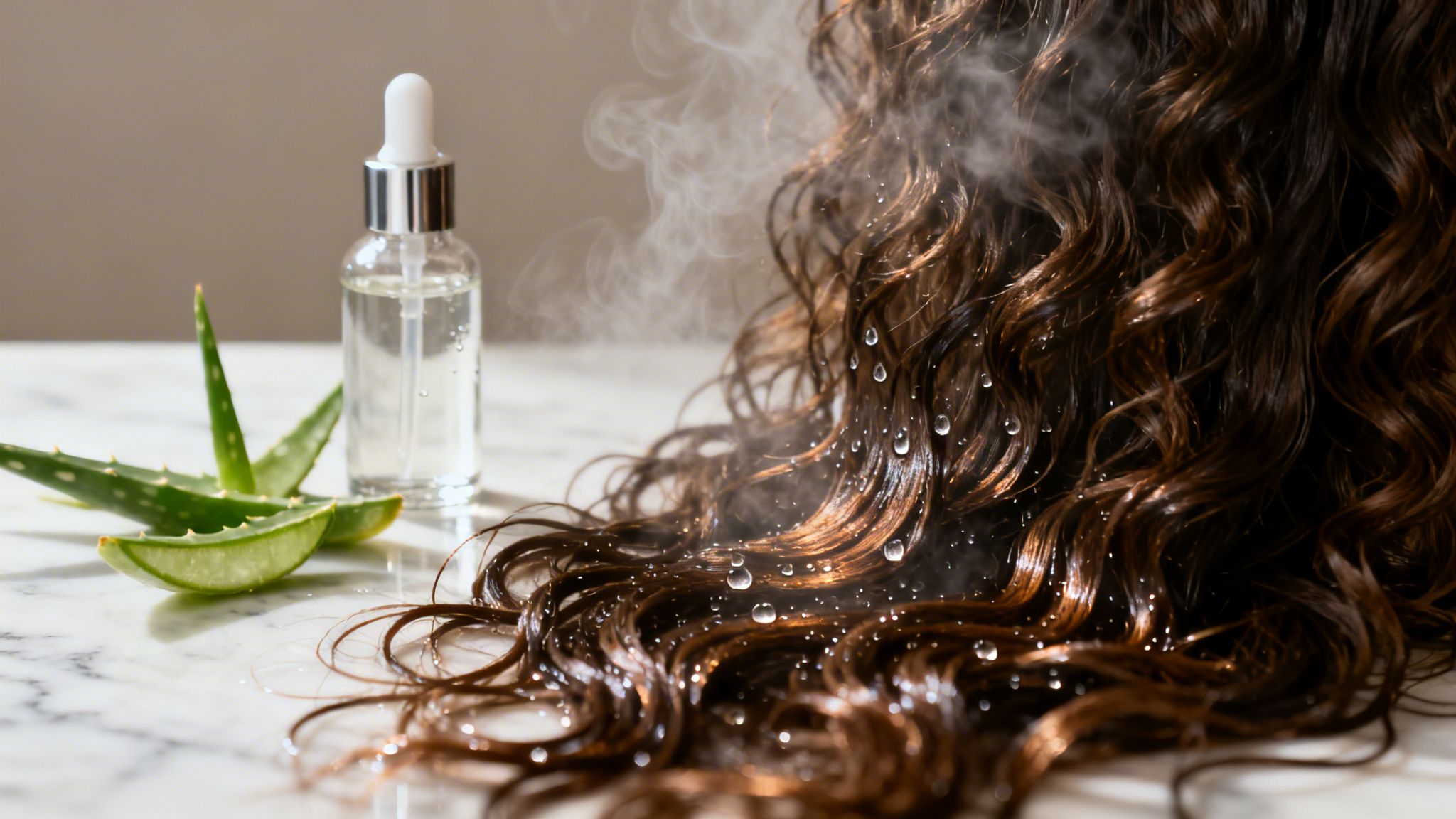
The steam from your shower or warm water helps to gently and temporarily lift the hair cuticles. This creates a small window of opportunity for your products to finally penetrate the hair shaft.
This simple chart breaks down the process.

The key takeaway here is that you actively apply and heat to allow your hair to absorb. Without those first two steps, absorption just won't happen effectively, and you're left with buildup.
In fact, using a thermal heat cap during your deep conditioning session for just 15-30 minutes can boost product absorption by up to 40%. Cosmetic science confirms that this temporary lifting of the cuticles is incredibly effective for getting moisture where it needs to go. To see how to fit this into a full routine, check out our guide on building a curly hair routine.
Your Moisture-Maximizing Wash Day Routine
Let's walk through how to put this into practice on wash day. This isn't about rushing; it's about being methodical to drive that moisture deep into your strands.
Cleanse in a Steamy Environment: Wash and rinse your hair in a warm, steamy bathroom. The ambient heat and moisture prep your hair perfectly for conditioning.
Apply Conditioner to Soaking Wet Hair: Do not towel-dry first! Apply your lightweight, water-based conditioner or deep conditioner to hair that is dripping wet. This helps the product spread evenly and provides maximum slip for detangling.
Emulsify and Distribute: Before applying, rub the conditioner between your palms with a bit of water to get it warmed up and activated. Use the "praying hands" method—smoothing your hair between your palms from root to tip—to apply the product. This motion helps smooth the cuticle down and prevents frizz.
Introduce Gentle Heat: This is the most critical step. After your conditioner is in, pop on a plastic cap. Then, either wrap a warm towel around it or use a thermal heat cap for 15-20 minutes. This creates a mini-sauna for your hair, forcing those cuticles open so the conditioner can penetrate.
Rinse with Cool Water: After your treatment, rinse your hair with lukewarm or cool water. This temperature drop helps reseal the cuticle, trapping all that newfound moisture inside.
Apply Leave-In to Damp Hair: Gently squeeze out the excess water with your hands or a microfiber towel—never rub. While your hair is still damp, apply your lightweight leave-in conditioner to lock in that final layer of hydration. Experts at Curlsmith.com have found that layering a leave-in after conditioning can seal in 99% more moisture overnight.
If you’re not 100% sure about your hair’s porosity, it’s worth taking a minute to check your hair porosity. Confirming you have low porosity hair ensures these techniques will give you the results you've been looking for. By mastering this application process, you’ll finally get your products to work for you, not just sit on you.
Finding Your Protein and Moisture Balance
Getting the balance between protein and moisture wrong is one of the fastest ways to get frustrated with your low porosity hair. This hair type is famously sensitive to protein. Too much of it will leave your strands feeling stiff, brittle, and even more prone to snapping than when you started.
It's a maddening cycle. Your hair feels dry and fragile, so you reach for more products, but if they contain protein, you're just making the problem worse. The secret isn't just piling on moisture; it’s about learning to read the signs your hair is giving you.
Is It Protein Overload or Moisture Overload?
Figuring out whether you have too much protein or too much moisture is your first step. While both can make your hair feel terrible, they show up in completely opposite ways.
- Signs of Protein Overload: Your hair feels stiff, like straw, and snaps easily with very little stretch. It has plenty of structure but almost no flexibility. This is the classic sign you've gone too far with protein-heavy products.
- Signs of Moisture Overload: On the flip side, your hair feels mushy, limp, and almost too soft. It won't hold a curl or style, stretching endlessly before breaking. It has all the elasticity in the world but none of the internal structure it needs to be strong.
If you know something is off but can’t quite tell what, you can get a quick diagnosis with a specialized protein overload test. This will help you stop guessing and start fixing the real issue.
Using Protein Strategically, If at All
For a lot of people with low porosity hair, the simplest approach is to use protein very sparingly—or even avoid it altogether. Since the cuticles lie so flat and tight, large protein molecules can't really get inside the hair shaft.
Instead, they just sit on the surface, creating a film that leads directly to that stiff, brittle feeling of protein overload.
If you feel your hair needs some protein for added strength, especially if it's fine or has been damaged, you have to be smart about it.
Look for products with hydrolyzed proteins—like hydrolyzed silk, wheat, or keratin. "Hydrolyzed" just means the protein has been broken down into tiny fragments. These smaller pieces have a much better shot at actually penetrating the hair shaft instead of just coating it.
The overall balance of your routine is what really counts. Low porosity hair often only needs 10-15% of its routine to contain protein, a huge difference from the 30% high porosity hair might need. Our Routine Analyzer can help you spot this imbalance by scanning the products you're currently using. In fact, 60% of users see less breakage just by making these kinds of data-driven tweaks. This focus on careful ingredient selection is part of why the curly girl method (CGM) became so popular, a concept you can explore in more detail on ColorWowHair.com.
Ultimately, mastering this balance comes down to paying attention and making small adjustments. Try going completely protein-free for a few weeks and see what happens. You might discover that the best moisturizing products for low porosity hair are the ones that are purely hydrating, giving you softness and flexibility without sacrificing strength.
Build Your Perfect Low Porosity Routine
Alright, let's put all this science to work. We’ve gone deep into why your hair fights moisture, and which ingredients can finally get the job done. The roadmap to happy, hydrated low porosity hair is actually pretty straightforward.
It all boils down to a few core habits: clarifying away stubborn buildup, sticking to lightweight, water-based moisturizing products for low porosity hair, using a little gentle heat to open up that hair cuticle, and keeping a close eye on your protein use.
From Knowledge to Action
Knowing the rules is one thing. Actually playing the game is another. This is often where things get overwhelming—you're standing in your bathroom, staring at a shelf full of products, wondering what to use and in what order.
This is the moment you graduate from theory to practice. For a little more inspiration on what a full routine can look like, our guide on creating a low porosity hair care plan is a great place to start.
The goal is to stop the cycle of trial and error. A truly effective routine isn't about guessing; it's about making informed choices based on your hair's specific needs.
Instead of buying yet another "miracle" product that just sits on top of your hair and causes buildup, you can finally build a system that works with your hair's structure, not against it. That's how you get predictable, lasting results.
Your Personal Hair Care Strategist
This is exactly why we created the IsItClean Hair Routine Builder. Think of it as your personal hair strategist, designed to do all the heavy lifting for you. It takes the guesswork completely out of the equation.
The builder looks at your entire hair profile—your porosity, texture, density, and what you’re trying to achieve. From there, it generates a complete, step-by-step routine with vetted product recommendations that are a perfect match for your hair.
It's time to end the frustrating cycle of buying products that just don't work. The builder is the simplest way to apply everything you’ve learned and create a regimen that delivers consistent, beautiful results.
Got Questions? We’ve Got Answers.
Even after you’ve got the basics down, low porosity hair can still throw you a curveball. Let's tackle some of the most common questions that pop up, helping you fine-tune your routine and troubleshoot any lingering issues.
How Often Should I Actually Clarify My Hair?
There's no single magic number, since it depends on your product routine and even the mineral content of your water. But a great starting point is to clarify every 2-4 weeks.
The most important thing is to pay attention to your hair. If your go-to moisturizers suddenly seem to stop working, or your hair looks dull and weighed down, those are your tell-tale signs. It's time for a reset to wash away all that buildup.
Can I Use Oils on Low Porosity Hair Without Looking Greasy?
Absolutely. The secret is picking the right kind of oil and using it the right way. You’ll want to steer clear of heavy, large-molecule oils like coconut or castor oil—they’re notorious for just sitting on the surface and creating a greasy film.
Instead, reach for lightweight oils that can actually penetrate the hair shaft. Think along the lines of:
- Argan oil
- Grapeseed oil
- Jojoba oil
The trick is to use them sparingly. A few drops warmed between your palms and smoothed over your ends is all you need to seal in moisture without the weight.
My Hair Still Feels Dry After a Deep Conditioner. What Am I Doing Wrong?
This is the classic low porosity struggle, and it's almost always an application issue, not a product failure. If your hair feels dry after a treatment, it means the conditioner never really got inside your hair strands.
The game-changing move here is adding gentle heat. The warmth ever-so-slightly lifts that tightly-sealed cuticle, opening the door for your conditioner to sink in and do its job.
Try applying your deep conditioner in a steamy bathroom right after you shower. To really level up, pop on a plastic cap and wrap your head in a thermal heat cap for 15-20 minutes. This one small step can completely transform your results, turning a surface-level treatment into deep, lasting hydration.
Feeling confident in your routine changes everything. It’s time to stop the endless cycle of trial and error and finally understand what your hair truly needs to thrive.
At IsItClean, our mission is to give you the knowledge and tools to do just that. We built our flagship tool to help you put everything you’ve learned into practice. Take the next step and build your personalized hair routine to get a custom plan and product recommendations designed for your unique low porosity hair.