You wash your hair, and for a few minutes it feels promising. Water disappears into your strands almost instantly. Your shampoo lathers, your conditioner goes on, and your hair feels soft while it’s soaking wet.
Then a few hours later, it’s dry again. Frizzy. Puffy at the ends. Tangled in spots that seemed smooth in the shower.
That cycle confuses a lot of people because it looks like your hair is “getting moisture” but somehow not keeping it. If that sounds familiar, there’s a good chance you’re dealing with high porosity hair. And if you start with the wrong cleanser, the rest of your routine has to work much harder to make up for it.
The High Porosity Hair Paradox
The pattern usually looks the same. Your hair gets wet fast. It may even dry fast too. It can feel soft for a short window, then rough again by the afternoon. You add richer masks, heavier creams, and more oils, but the softness doesn’t last.
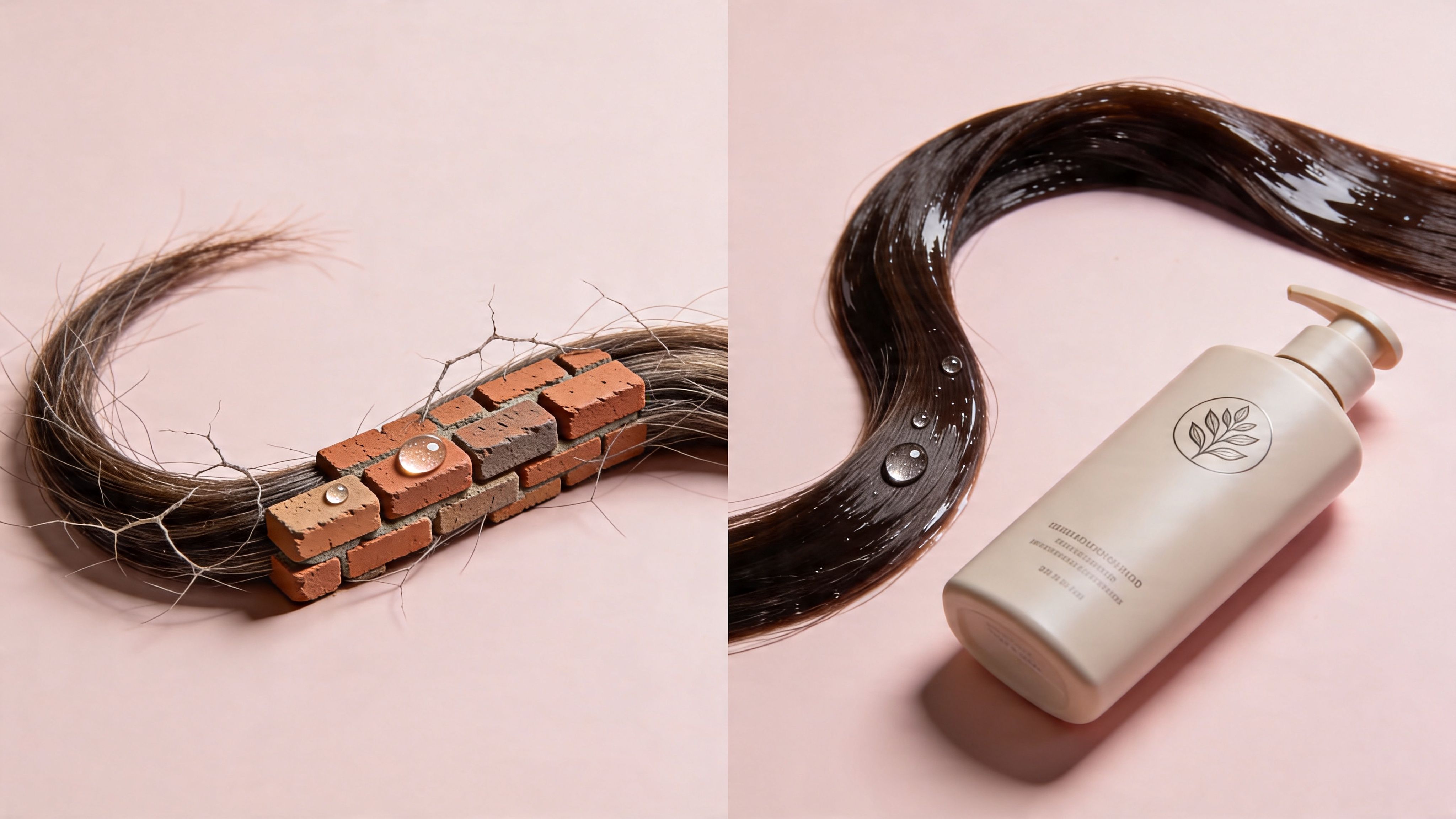
That’s the high porosity hair paradox. Your strands are open enough to let water in easily, but they also let it back out just as easily. So your hair can seem thirsty and overloaded at the same time.
A lot of readers end up comparing their hair to someone with low porosity hair and wondering why the same products don’t work. The answer is structural, not personal. Hair doesn’t all hold onto moisture the same way. If you’ve ever followed a routine meant for sleek, resistant strands and ended up with frizz instead, that mismatch is often the reason. If you want to see how different the care approach can be, compare it with a low porosity hair routine.
Hair that absorbs water quickly isn’t always well-moisturized. Sometimes it’s simply more porous.
The good news is that this problem is manageable once you stop treating it like generic dryness. High porosity hair usually responds best when you focus on two things at once. First, cleanse gently so you don’t strip what little protection the hair has left. Second, use products that help the strand hold onto moisture after wash day begins.
That’s why choosing the right moisturizing shampoo for high porosity hair matters so much. It’s not just your first product. It sets the tone for everything that follows.
What Is High Porosity Hair and Do You Have It
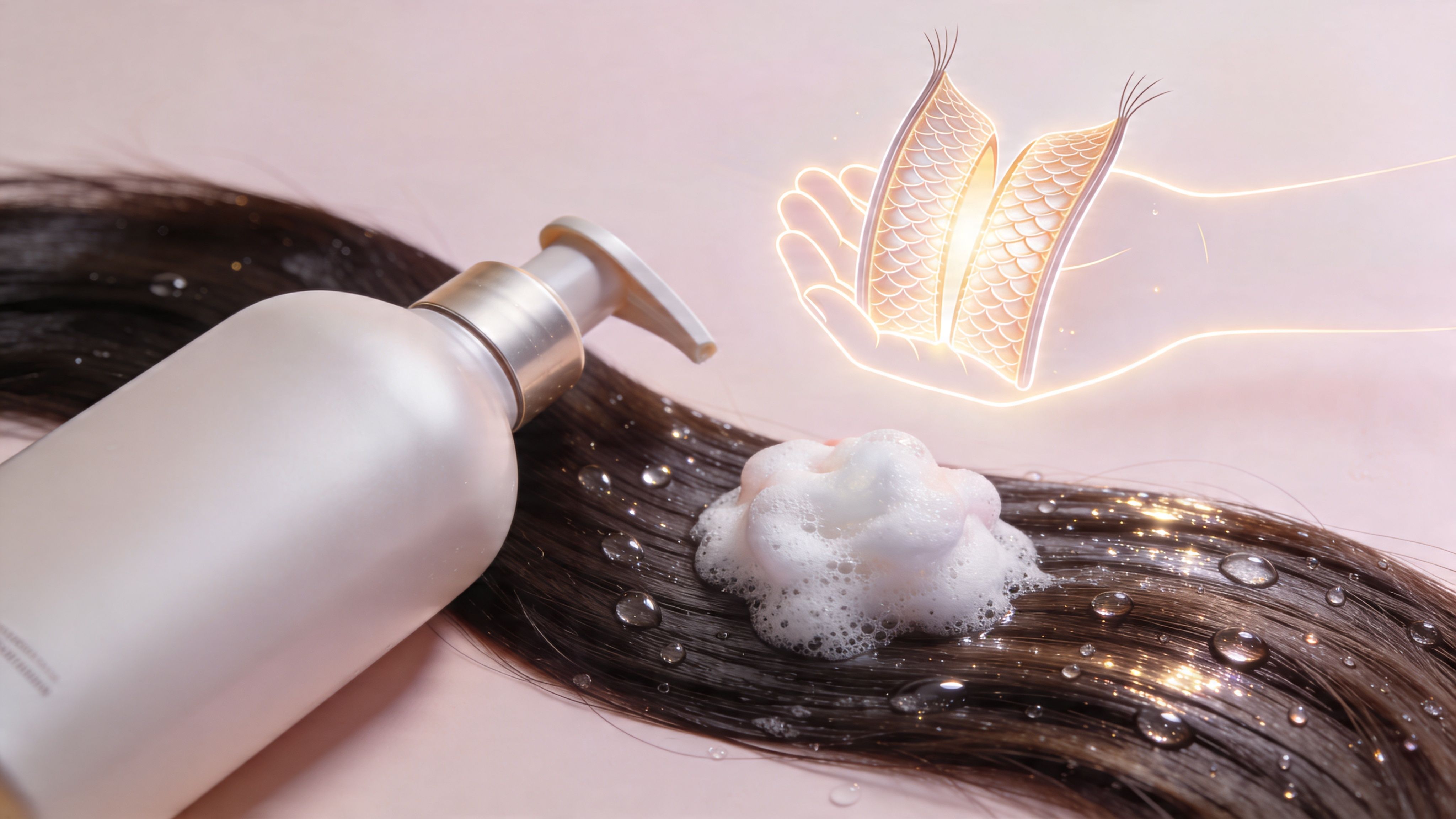
Think of your hair cuticle like a row of roof shingles. When the shingles lie flat, water doesn’t move in and out very easily. When they’re lifted, chipped, or uneven, moisture can rush in through the gaps and leave just as fast.
That’s high porosity hair. The cuticle layer is more open, often because of wear from coloring, heat styling, friction, or other forms of damage. The strand becomes a little like a pinecone that doesn’t fully close. It’s receptive, but it isn’t protective.

Signs your hair may be high porosity
You don’t need a microscope to notice the pattern. High porosity hair often behaves in recognizable ways:
- It gets wet very quickly. Water seems to soak in the moment it touches your hair.
- It can dry unusually fast. Fast drying can mean moisture isn’t staying inside the strand for long.
- Frizz shows up easily. Even after conditioning, the surface can feel rough or fuzzy.
- Breakage is common. Hair may snap more easily, especially around the ends.
- It tangles during washing. Raised cuticles can catch on each other.
- It often feels dry despite frequent product use. You’re applying moisture, but retention is poor.
People sometimes confuse high porosity with having curly or color-treated hair. There’s overlap, but they aren’t identical. A person can have curls without high porosity, and straight hair can become highly porous after repeated damage.
Why knowing matters
Porosity changes how your hair reacts to shampoo, conditioner, oils, and proteins. If your cuticle is more open, harsh cleansers can leave you with that stripped, squeaky feeling fast. Heavy products might sit on the surface without addressing the underlying problem. Protein can help in some routines, but too much can make the hair feel stiff.
That’s why guessing often leads to a shelf full of products and no consistency.
Practical rule: If your hair absorbs water quickly, frizzes easily, and never seems to stay soft, porosity is worth checking before you buy another shampoo.
If you want a clearer answer, it helps to check your hair porosity before changing your whole routine. That gives you a better starting point than relying on trend-driven recommendations.
Why a Moisturizing Shampoo Is a Game Changer
A lot of people treat shampoo as the boring part of the routine. Cleanse, rinse, move on. For high porosity hair, that’s a mistake.
Your shampoo can either make the cuticle feel more exposed or help create a gentler starting point for moisture retention. That difference shows up immediately in the shower. If your hair feels rough, tangled, or straw-like while cleansing, the formula is probably too aggressive for your strand condition.
According to Pattern Beauty’s discussion of highly porous hair, the moisturizing shampoo market for high porosity hair has emerged as a critical segment because harsh sulfate-based formulas strip away natural oils and worsen moisture loss. The same source notes that strong options for this hair type should include humectants such as glycerin, hydrating ingredients like aloe vera, natural oils, and a pH balance that helps keep the cuticle layer partially closed for better moisture retention.
What a good shampoo is doing behind the scenes
A regular harsh cleanser is a bit like washing a delicate sweater with dish soap. Yes, it gets things clean. It also removes what the fabric needed to stay comfortable and intact.
A moisturizing shampoo for high porosity hair should do more than remove dirt and product residue. It should:
- Clean without over-stripping
- Add slip so strands don’t snag
- Begin hydration instead of delaying it
- Support a smoother cuticle feel during washing
That last point is often underestimated. Wash day isn’t only about removing buildup. It’s also the moment your hair is most ready to receive water and conditioning agents. If the shampoo leaves your hair too bare, the rest of your routine starts from a deficit.
Why sulfate-free usually makes more sense here
For high porosity hair, sulfate-free formulas are often easier to tolerate because they’re less likely to strip away surface lipids and leave the hair feeling raw. That doesn’t mean every sulfate-free shampoo is automatically ideal. Some are still too harsh in practice, and some “moisturizing” labels hide formulas that don’t feel nourishing on damaged strands.
The easiest sign to watch is your hair’s immediate response. If it feels tangled, squeaky, or rough before conditioner even goes on, your shampoo may be undermining the rest of your routine.
Shampoo is the first moisture decision of wash day, not just the first cleansing step.
Once you start thinking that way, choosing a shampoo becomes much simpler. You’re not looking for the strongest cleanser. You’re looking for the one that leaves your hair clean and calm.
Decoding the Ingredient Label What to Look For and Avoid
A shampoo label can look like a chemistry exam at first glance. That’s frustrating, because ingredient lists are where the most useful clues live.
For high porosity hair, the goal isn’t to memorize every term. It’s to learn which categories help your hair stay hydrated and which ones tend to leave it feeling stripped, coated, or brittle.

Ingredients your hair will usually love
High porosity hair benefits from formulas that help fill weak spots, attract water, and soften the strand surface.
According to Wimpole Clinic’s overview of high porosity hair, high porosity hair absorbs moisture rapidly but loses it quickly. That source explains that moisturizing shampoos can help by using amino acids to fill cuticle gaps and reduce porosity, while ingredients such as coconut oil can reduce water sorption and hygral fatigue. It also notes that a pH of 4.5 to 6.5 respects the hair’s natural acid mantle and helps prevent further cuticle swelling.
Here’s how that translates into label-reading:
- Humectants like glycerin and honey pull water toward the hair. They’re useful when the formula around them is balanced well.
- Aloe vera adds hydration and can help shampoos feel less stripping.
- Natural oils such as coconut oil or avocado oil can improve softness and help reduce the rough feeling porous hair often has.
- Amino acids or hydrolyzed proteins can temporarily patch weak spots along a damaged strand.
- Balanced pH formulas help avoid the extra swelling that can make cuticles feel even more lifted.
If you like plant oils in your products, it can also help to learn what each one tends to do. For example, hemp seed oil is often discussed in ingredient sourcing because it’s lightweight and fits well into moisture-focused formulations.
Ingredients that often cause trouble
Some ingredients aren’t “bad” in every context, but they can be a poor fit for high porosity hair if your strands already feel fragile or chronically dry.
- Harsh sulfates can leave porous hair overly clean in the worst way. The hair feels squeaky, rough, and hard to detangle.
- Drying alcohols can intensify that brittle, fluffy feel some people notice after washing.
- Very heavy silicones can create short-term smoothness but may lead some routines into buildup if they aren’t matched with the right cleansing balance.
- Too much protein too often can make the hair feel stiff instead of strong.
One confusing point is that protein can be both helpful and problematic. High porosity hair often likes some structural support. It just doesn’t always like it every wash.
Quick label guide
| Ingredient Category | What to Look For (Examples) | What to Avoid (Examples) |
|---|---|---|
| Humectants | Glycerin, honey, aloe vera | Formulas that leave hair tacky or dry-feeling in practice |
| Strengthening support | Amino acids, hydrolyzed proteins | Protein-heavy routines that make hair stiff |
| Softening oils | Coconut oil, avocado oil, almond oil | Very heavy coating systems that contribute to buildup |
| Cleansing system | Gentle, sulfate-free cleansers | Harsh sulfates |
| Formula balance | pH-balanced shampoos | High-pH formulas that can swell cuticles further |
| Finish and feel | Slip and softness during washing | Drying alcohols, stripped “squeaky” after-feel |
A simple way to judge a shampoo in real life
You don’t need to decode every ingredient perfectly to make a better choice. Use the label, then confirm with your hair’s response.
Ask yourself:
- Does my hair feel soft enough to finger-detangle while rinsing?
- Does it feel stripped before conditioner?
- Does the formula include hydration plus structural support, not just one or the other?
If reading labels still feels tedious, a shortcut is to analyze your ingredients with an ingredient scanning tool that helps flag beneficial, moderate, and potentially harsh ingredients from the bottle you already own.
Your Step-by-Step High Porosity Hair Routine
The right shampoo helps, but high porosity hair usually needs a full routine that thinks about moisture in sequence. Not just moisture added, but moisture kept.
That’s why wash day works best when each step has a job. One step reduces friction. Another adds water and conditioning agents. Another seals and supports. If you skip the sequence, high porosity hair often goes right back to feeling dry by the next morning.

Step 1 pre-poo if your hair tangles easily
Not everyone needs a pre-poo, but it can help a lot if your hair mats up before you even get shampoo through it. A light layer of oil or conditioner on the lengths before washing can reduce friction and keep the cleansing step gentler.
Focus on mid-lengths and ends, where porosity and breakage often show up first. This isn’t about soaking the hair in heavy product. It’s about giving vulnerable areas a small buffer.
Step 2 shampoo the scalp, not the whole length
Use your moisturizing shampoo mainly at the scalp and roots. Let the lather move through the rest of the hair as you rinse.
That matters because high porosity lengths are usually the driest part. Scrubbing the ends aggressively can rough up the cuticle even more. Use your fingertips, not nails, and think of cleansing as massage rather than friction.
A good sign is that your scalp feels clean while your lengths still feel manageable.
Step 3 condition generously and detangle gently
Conditioner is where many people finally get some slip back into the hair. Apply it thoroughly, then detangle starting at the ends and working upward. If your hair knots instantly after shampoo, don’t force a comb through it dry or half-rinsed.
Pause here if your hair has been heavily colored, heat-damaged, or snapping easily. In that case, you may need a conditioner with a bit more structure rather than only softness.
If your hair feels softer only while the conditioner is sitting on it, your routine may need better sealing after rinsing.
Step 4 apply products while the hair is still wet or very damp
This is one of the most important parts of the whole routine. High porosity hair often responds best when leave-in products go on immediately after washing, before the strand has started losing too much water.
According to the New York Society of Cosmetic Chemists overview on hair porosity, the LOC and LCO methods are foundational for high porosity hair. That source explains that using a liquid, then oil, then cream, or a liquid, then cream, then oil, helps create a physical barrier that reduces moisture escape through open cuticles. It also notes that this process works best on wet or damp hair right after washing.
LOC versus LCO
Both methods aim to hold onto hydration. The difference is product order.
LOC
- Liquid: Leave-in conditioner or water-based hydrator
- Oil: A sealing oil
- Cream: A richer moisturizer or styler
LCO
- Liquid: Leave-in conditioner
- Cream: Moisturizer first
- Oil: Seal with oil at the end
If your hair gets weighed down easily, LCO sometimes feels better. If your hair loses moisture almost immediately, LOC may give stronger sealing.
Here’s a useful visual if you want to see a routine in motion:
Choosing your oil layer
The oil step confuses people because not all oils behave the same way. Some feel light and absorb well. Others sit on top and mainly add shine.
A simple rule is to choose an oil that supports sealing without making your hair feel greasy or sticky. If you’re exploring options, a nourishing hair oil can be a helpful example of the kind of product people use in this step after shampooing and leave-in application.
A sample wash day flow
If you like routines laid out clearly, this pattern works well for many people with high porosity hair:
- Before showering: Apply a little oil or conditioner to dry ends if tangling is severe.
- In the shower: Cleanse the scalp with a moisturizing shampoo for high porosity hair.
- After rinsing: Apply conditioner and detangle gently.
- On wet hair: Add your leave-in.
- Next: Layer oil or cream, depending on whether you use LOC or LCO.
- Last: Style with minimal disturbance and let the products set.
Keep it personalized
Not every high porosity routine looks the same. Someone with fine waves and color damage won’t need the same layering intensity as someone with dense curls and recurring breakage. Climate matters too. So does how often you heat-style or clarify.
If your routine still feels scattered, it helps to compare your steps with a high porosity hair routine built around this strand type rather than piecing together random advice from product pages and social posts.
Troubleshooting Common High Porosity Hair Problems
Sometimes your routine looks “hydrating” on paper and still doesn’t work. That’s where people usually assume they just need more moisture. Often, the problem is balance.

When moisture isn’t the problem
According to SheaMoisture’s discussion of high porosity care, high porosity hair absorbs both moisture and protein rapidly, which creates a risk of protein overload that can lead to stiffness and breakage. That’s why hair can feel dry even when you’re using products marketed as repairing or strengthening.
If your hair suddenly feels hard, straw-like, or overly brittle after adding protein-rich products, don’t keep piling on masks and bond-style treatments without reassessing.
Three common issues and what they usually mean
Stiff, brittle hair
This often points to too much protein or not enough softening moisture around it. The fix is usually to reduce protein-heavy products for a while and use more flexible, hydrating formulas.
Hair feels coated, dull, or limp
That usually suggests buildup. Oils, butters, silicones, and even some leave-ins can accumulate. In that case, your moisturizing shampoo may be too mild for your current product load, or your styling layers may be too heavy.
Hair feels dry right after product application
People sometimes call this flash drying. It can happen when product combinations don’t play well together or when the strand is already stressed and rough. More product won’t necessarily solve it.
More moisture is not always the answer. Sometimes high porosity hair needs less protein, less buildup, or a better product combination.
How to self-check before changing everything
When your hair starts acting differently, don’t replace your whole shelf in one weekend. Narrow the problem first.
Try this:
- Review your recent additions. Did you start a protein shampoo, mask, or leave-in?
- Look at texture changes. Soft but mushy hair suggests a different issue than hard, brittle hair.
- Check whether buildup is hiding underneath. Coated hair can feel dry because water and conditioners aren’t reaching the strand well.
Diagnostic tools can help here because patterns are easy to miss when you see your own routine every day. A protein overload test is useful if your hair has become stiff or snappy, and a routine analyzer can help spot whether your products are fighting each other instead of working together.
Adapting Your Routine for Special Hair Types
High porosity care gets more interesting when another concern overlaps with it. Maybe your hair is color-treated. Maybe it’s curly and frizz-prone. Maybe your scalp is reactive and starts flaking when a shampoo is too strong.
That doesn’t change the basic goal. You still want gentle cleansing, moisture support, and better retention. But the details shift.
Color-treated hair
Color-treated hair often becomes more porous over time, so preserving softness can also help preserve the feel and appearance of the color. Choose shampoos that cleanse gently and avoid leaving the hair overly raised or rough after rinsing.
For this group, simple routines usually outperform product overload. If your hair feels faded and dry, fewer but better-matched products often work better than constantly layering heavy treatments.
Curly and wavy hair
Curly and wavy patterns already struggle with moisture distribution because scalp oils don’t travel down the strand as easily. Add high porosity, and you often get frizz plus dryness plus breakage around the crown or ends.
If that sounds familiar, a routine built around both pattern and porosity is more helpful than advice based on texture alone. A curly hair routine can help you think about cleansing, leave-ins, and styling in a way that supports definition without sacrificing moisture retention.
Sensitive scalp or dandruff concerns
Many people find themselves in a difficult spot. They need better cleansing because buildup can trigger discomfort, but strong shampoos leave the lengths dry and frizzy.
According to Ethnic Gals’ high porosity shampoo guidance, a key challenge is managing high porosity hair alongside scalp sensitivities or dandruff, where buildup needs to be removed without stripping moisture. That source also notes that many consumers look for sulfate-free options for this reason and that formulas should support scalp health while providing hydration.
Scalp comfort and hair moisture aren’t opposing goals. The trick is choosing a formula gentle enough for the strand and effective enough for the scalp.
If you’re not sure whether your biggest issue is porosity, pattern, or scalp reactivity, it helps to sort those questions separately. A hair type quiz can clarify your broader strand pattern, and a scalp sensitivity quiz can help you spot whether irritation is changing what your shampoo needs to do.
If you’re ready to turn all of this into a routine you’ll follow, try IsItClean. You can build your personalized hair routine based on your porosity, hair type, and concerns, instead of guessing from product labels and social media tips.