An itchy scalp is more than just a fleeting annoyance; it's a signal from your body that something is out of balance. Whether it's lingering residue from a conditioner packed with silicones, an overgrowth of naturally occurring fungus, or simply a cry for moisture, the constant urge to scratch can be distracting and damaging. Common culprits include dandruff (seborrheic dermatitis), product buildup, dry skin, and inflammatory conditions like psoriasis or eczema.
While medicated shampoos offer a quick fix, they often contain harsh surfactants like sulfates that can strip the scalp's natural oils, leading to a cycle of irritation. This constant disruption can compromise your scalp's delicate microbiome and pH balance, making the problem worse over time. In fact, understanding how a pH-balanced shampoo can help calm an irritated scalp is a foundational step toward lasting relief.
This guide explores eight evidence-backed natural remedies for itchy scalp, each chosen for its proven efficacy and clean-beauty credentials. We'll delve into the science behind why they work, provide detailed instructions for use, and help you identify which remedy is best suited for your specific scalp concerns. Before you begin, it's crucial to understand your scalp's unique needs. Is your scalp truly dry, or is it oily with flaky buildup? Answering this can be tricky, which is why a targeted approach is key. You might consider taking a quick Scalp Sensitivity Quiz to get a clearer picture of your triggers. Understanding the 'why' behind the itch is the first step toward finding lasting relief and building a scalp-care routine that truly nurtures your hair from the foundation up.
1. Apple Cider Vinegar (ACV) Rinse
An apple cider vinegar rinse is a simple, effective clarifying treatment that helps restore your scalp's natural pH balance. A healthy scalp should be slightly acidic (pH 4.5-5.5), an environment that discourages the growth of itch-causing bacteria and fungi. However, hard water mineral deposits and alkaline hair products, especially those with sulfates, can disrupt this balance, leading to irritation, flakes, and persistent itching. The acetic acid in ACV gently dissolves this buildup, providing a clean slate without stripping natural oils.

This remedy is particularly useful for individuals experiencing buildup from silicone-heavy conditioners or styling products. Users often report a noticeable reduction in itching and flakiness after just a few applications. Because it also seals the hair cuticle, it's a fantastic option for those with high porosity hair, as it helps lock in moisture and reduce frizz. If you're unsure of your hair's porosity, you can easily check your hair porosity with a simple at-home test. It’s also favored by people with color-treated hair as a gentle alternative to harsh clarifying shampoos that can cause color to fade.
How to Prepare and Use an ACV Rinse
Follow this simple, step-by-step process to soothe your scalp:
- Dilute Properly: Mix one to two tablespoons of raw, unfiltered apple cider vinegar with eight ounces of cool water in a spray bottle or applicator bottle. Never apply undiluted ACV to your scalp, as its high acidity can cause irritation or burns. If you have a sensitive scalp, start with a lower concentration (e.g., one tablespoon per 12 ounces of water).
- Apply After Cleansing: After shampooing and rinsing your hair, spritz or pour the diluted ACV mixture directly onto your scalp.
- Massage and Wait: Gently massage the rinse into your scalp with your fingertips for one to two minutes to help break up residue. Let it sit for another two to three minutes.
- Rinse Thoroughly: Rinse your hair and scalp with cool water. There's no need to follow with a conditioner, as the ACV rinse smooths the hair cuticle, but you can if your hair needs extra moisture. For those with low porosity hair, which is prone to buildup, skipping the conditioner after an ACV rinse can help keep strands feeling light and clean.
- Frequency: Limit use to once or twice a week. Overuse can lead to dryness or disrupt your scalp’s microbiome.
2. Coconut Oil Scalp Treatment
A coconut oil scalp treatment is a deeply moisturizing and soothing remedy that leverages the oil's natural emollient properties. Rich in lauric acid, a medium-chain fatty acid, coconut oil can penetrate the hair shaft and scalp skin to deliver intense hydration. Its proven antimicrobial and anti-inflammatory qualities make it a powerful natural remedy for an itchy scalp caused by dryness, seborrheic dermatitis, and even some fungal issues. Unlike commercial conditioners that may contain silicones, pure coconut oil nourishes without creating synthetic buildup.
This remedy is especially beneficial for those with scalp eczema or psoriasis, who often report significant relief from itching and scaling with consistent use. It’s also a staple in the clean beauty and natural hair communities. Individuals with high-porosity or damaged hair often use coconut oil to help balance moisture levels and reduce protein loss during washing. For those with color-treated hair, it serves as a clean, single-ingredient alternative to complex commercial treatments that can dull color. Knowing your hair type and texture can help you decide if a heavier oil like coconut is right for you or if a lighter one would be a better fit.
How to Prepare and Use a Coconut Oil Treatment
Follow these simple steps for a soothing and moisturizing scalp treatment:
- Prepare the Oil: Start with one to two tablespoons of virgin or organic coconut oil. If it's solid, warm it slightly by rubbing it between your palms or placing the container in a bowl of warm water until it melts into a liquid. Do not overheat or microwave the oil, as this can degrade its beneficial properties and pose a burn risk.
- Apply to the Scalp: Part your hair into sections and use your fingertips to apply the warm oil directly to your scalp. Focus on the areas that are most itchy or irritated.
- Massage and Wait: Gently massage the oil into your scalp for two to three minutes using circular motions. This stimulates blood flow and helps the oil absorb. Leave the treatment on for at least 30 minutes. For an intensive deep conditioning, you can cover your hair with a shower cap and leave it on overnight.
- Shampoo Thoroughly: To remove the oil, you may need to shampoo twice. Use a gentle, sulfate-free shampoo to cleanse your scalp without stripping away the moisture you just added. If you have fine or oily-prone hair, ensure you rinse completely to prevent a weighed-down feeling.
- Frequency: Begin with a weekly treatment. You can adjust the frequency based on your scalp's response. If you have an oily scalp, use the oil sparingly and only on dry patches, or consider a lighter oil.
3. Tea Tree Oil Scalp Treatment
Tea tree oil is a concentrated essential oil derived from the Australian Melaleuca alternifolia plant, celebrated for its powerful antimicrobial, antifungal, and anti-inflammatory properties. These qualities make it one of the most effective natural remedies for an itchy scalp, especially when the cause is fungal overgrowth (like dandruff-causing Malassezia), bacteria, or inflammatory conditions such as seborrheic dermatitis. When correctly diluted, it offers a potent, clean alternative to medicated shampoos that often rely on harsh active ingredients.
This remedy is highly beneficial for those with oily scalps or high porosity hair, as its antimicrobial action cleanses the scalp without adding the heavy residues found in some conditioning treatments. Individuals with persistent dandruff often report significant improvements within a few weeks of consistent use. Its anti-inflammatory nature also provides relief for the itching and redness associated with scalp psoriasis and seborrheic dermatitis, making it a versatile tool for managing scalp distress.
How to Prepare and Use a Tea Tree Oil Treatment
Follow these simple steps to create a safe and effective scalp-soothing treatment:
- Dilute Correctly: Mix two to three drops of pure tea tree oil with one tablespoon of a carrier oil, such as coconut, jojoba, or argan oil. Never apply undiluted tea tree oil directly to your skin or scalp, as its concentration can cause severe irritation, redness, or burning.
- Perform a Patch Test: Before a full application, apply a small amount of the diluted mixture to a discreet area of skin, like behind your ear or on your inner elbow. Wait 24 hours to ensure no allergic reaction or sensitivity occurs. If you have a history of reactions, you may want to take a scalp sensitivity quiz to better understand your triggers.
- Apply to the Scalp: Part your hair into sections and use your fingertips or a dropper to apply the diluted oil mixture directly onto your scalp. Focus on the areas that are most itchy or irritated.
- Massage and Wait: Gently massage the oil into your scalp for two to three minutes to stimulate blood flow and help the oil penetrate. Leave the treatment on for 15 to 20 minutes.
- Cleanse Thoroughly: Wash your hair with a gentle, sulfate-free shampoo to remove all of the oil. You may need to shampoo twice to ensure no residue is left behind, which could otherwise weigh down your hair.
- Frequency: Use this treatment one to two times per week. Overuse can strip the scalp and lead to dryness or irritation. If irritation increases, discontinue use immediately.
4. Aloe Vera Scalp Gel
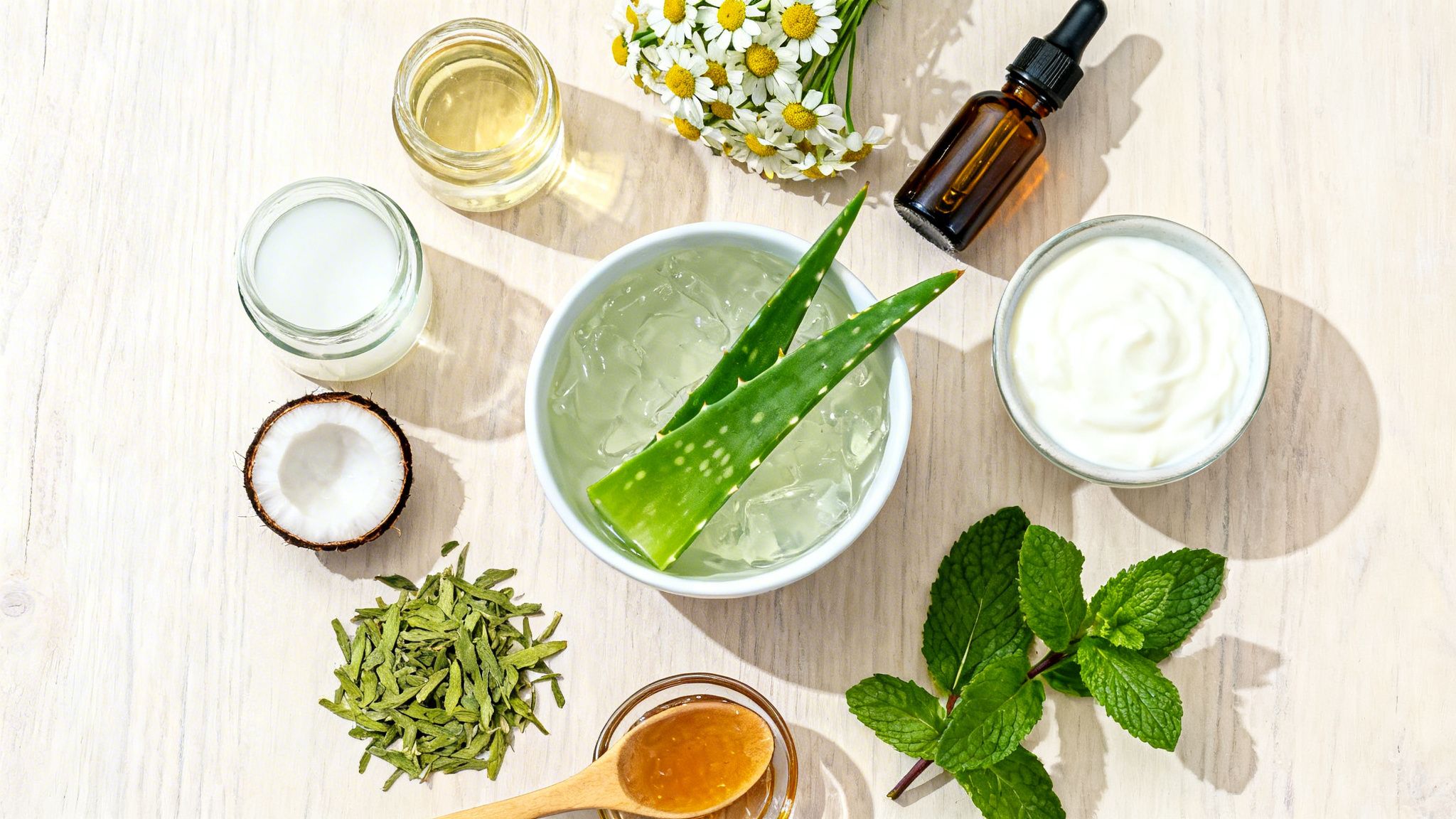
Aloe vera is a classic natural remedy for itchy scalp, celebrated for the clear, cooling gel found within its succulent leaves. This gel is rich in polysaccharides, amino acids, and enzymes that soothe, hydrate, and heal irritated scalps. Its natural anti-inflammatory, antimicrobial, and moisturizing properties work together to address itching caused by dryness, inflammation, minor infections, or general sensitivity. Unlike many synthetic soothing agents, pure aloe vera provides clean hydration without the parabens, sulfates, or drying alcohols that can worsen scalp issues.

This remedy is highly effective for those dealing with scalp irritation after color treatments, often providing immediate relief and reducing the urge to scratch. Individuals with high porosity hair also find it beneficial as a hydrating base layer applied before sealing oils, as it helps lock in moisture without weighing hair down. People with inflammatory scalp conditions like eczema or psoriasis may notice a visible reduction in redness and discomfort within days of consistent use, thanks to aloe's powerful anti-inflammatory compounds. Figuring out how often to use treatments like this is easier when you can analyze your hair care routine to see where gaps might exist.
How to Prepare and Use an Aloe Vera Scalp Gel
Follow these simple steps to make the most of this soothing plant-based treatment:
- Source Pure Gel: For maximum purity, extract the gel directly from a fresh aloe vera leaf by cutting it open and scraping the gel out. If using a store-bought product, choose one with 100% pure aloe or minimal additives. Always check the ingredient list to ensure it's free of alcohol, fragrance, and other potential irritants.
- Apply Directly: Part your hair into sections and apply the aloe vera gel directly to your scalp, focusing on the areas that are most itchy or inflamed.
- Massage and Wait: Gently massage the gel into your scalp with your fingertips for a few minutes to stimulate blood flow and ensure even distribution. You can leave it on for 15-20 minutes as a quick soothing mask or apply it as an overnight treatment for deep hydration.
- Rinse Thoroughly: Rinse the gel out with lukewarm water. If you used a large amount or have fine hair, you might need to use a gentle, sulfate-free shampoo to remove any residue.
- Frequency and Storage: You can apply aloe vera to your scalp two to three times per week. Store fresh, homemade gel in an airtight container in the refrigerator for up to one week. You can also add one or two drops of tea tree oil for an extra antimicrobial boost against dandruff.
5. Honey Scalp Mask
Honey is a natural humectant and powerful healing agent, making it an excellent remedy for a dry, irritated, or itchy scalp. Its composition of enzymes, amino acids, and glucose provides deep hydration and antimicrobial protection. Raw, unpasteurized honey, in particular, contains probiotics that help support a healthy scalp microbiome, reducing itchiness caused by inflammation or microbial imbalances. Unlike many synthetic moisturizers, honey offers clean hydration and supports the scalp's healing process without harmful preservatives.
This remedy is especially beneficial for individuals with dry, flaky scalps who report significant improvements in hydration and reduced itching after just a few weekly masks. Because it's a protein-free moisturizer, it's also a safe and effective option for people with color-treated or protein-sensitive hair. Those with high porosity hair can also benefit from honey's ability to attract and seal in moisture, strengthening the strands from within. If you suspect your itchiness is due to product choices, you might have a protein or moisture imbalance.
How to Prepare and Use a Honey Scalp Mask
Follow this simple process to create a soothing and hydrating scalp treatment:
- Choose the Right Honey: Opt for raw, unpasteurized honey to get the maximum probiotic and enzymatic benefits. To make it less sticky and easier to apply, you can warm it slightly by placing the jar in a bowl of warm water.
- Create Your Mask: For a basic mask, mix two tablespoons of honey with a small amount of warm water to create a thinner, more manageable consistency. You can also mix it with other beneficial ingredients, such as two tablespoons of honey with one tablespoon of plain yogurt and a drop of tea tree oil for added antimicrobial action.
- Apply to a Damp Scalp: Lightly dampen your scalp and hair. Working in sections, apply the honey mixture directly to your scalp, massaging it in gently with your fingertips for one to two minutes.
- Wait and Let It Work: Cover your hair with a shower cap to trap heat and prevent drips. Leave the mask on for 20 to 30 minutes. For a more intensive treatment, you can leave it on overnight.
- Rinse and Cleanse: Rinse the mask out thoroughly with lukewarm water. Follow up with a gentle, sulfate-free shampoo to remove any residue. While honey is a powerful remedy on its own, combining it with other natural ingredients in a honey and olive oil hair mask can further enhance its moisturizing benefits for a healthy scalp.
- Frequency: Use this treatment once or twice a week. Applying it more often could lead to buildup, especially on low-porosity hair. If you're unsure how this fits into your current regimen, you can build a personalized hair routine that incorporates treatments like this effectively.
6. Peppermint Oil Scalp Stimulation
Peppermint oil is a potent essential oil that offers an immediate cooling sensation, making it a powerful natural remedy for an itchy scalp. The key component, menthol, not only provides instant relief from itching but also acts as a vasodilator, meaning it helps improve blood circulation to the scalp. Enhanced blood flow ensures that hair follicles receive more nutrients, which can support overall scalp health and healing. Furthermore, peppermint oil’s natural antimicrobial and anti-inflammatory properties can address some of the underlying causes of irritation, like fungal or bacterial overgrowth, without the harsh chemicals often found in medicated shampoos.
This remedy is especially beneficial for those with oily scalps, as peppermint's stimulating and antimicrobial effects can help regulate sebum and keep the scalp feeling fresh and clean. Individuals who experience scalp tension or headaches often find the combination of the cooling effect and a gentle massage to be incredibly relaxing and therapeutic. Users frequently report a significant and immediate reduction in the itch sensation right after application, making it a go-to for quick relief. For those struggling with hair loss, improved circulation from peppermint oil can also contribute to a healthier growth environment, which is a key component of a good routine for thinning hair.
How to Prepare and Use a Peppermint Oil Treatment
Follow this simple, step-by-step process to soothe your scalp:
- Always Dilute: Mix two to three drops of high-quality peppermint essential oil with one tablespoon of a carrier oil, such as jojoba, coconut, or argan oil. Never apply undiluted peppermint oil directly to your scalp, as its concentration can cause intense irritation, redness, or a burning sensation.
- Perform a Patch Test: Before applying the mixture to your entire scalp, test a small, diluted amount on a discreet area of skin, like behind your ear, to check for sensitivity or an allergic reaction.
- Apply and Massage: Part your hair and apply the diluted oil directly to your scalp using your fingertips or a dropper. Gently massage it in with circular motions for five to ten minutes to stimulate blood flow and ensure even distribution.
- Let It Sit: Leave the treatment on your scalp for 15 to 20 minutes. You can cover your hair with a shower cap to trap heat and enhance absorption. For a simpler application, you can also add one to two drops of peppermint oil per ounce of your favorite sulfate-free shampoo.
- Shampoo and Rinse: Wash your hair thoroughly with shampoo to remove all the oil. You may need to shampoo twice to avoid greasy roots.
- Frequency: Use this treatment two to three times per week. Overuse can potentially over-stimulate or dry out the scalp, so monitor how your scalp responds and adjust as needed.
7. Oatmeal Scalp Scrub/Soak
An oatmeal scalp scrub or soak offers a remarkably gentle yet effective way to soothe irritation and exfoliate dead skin cells. Colloidal oatmeal, which is just finely ground oat powder, is celebrated in dermatology for its anti-inflammatory and barrier-restoring properties. It contains compounds like avenanthramides that directly reduce redness and itching, and beta-glucans that form a protective film to hydrate the scalp. Unlike harsh chemical exfoliants or sulfates, oatmeal provides a soft, mechanical scrub that lifts away flakes and product buildup without disrupting your scalp's delicate balance.

This remedy is especially valuable for those with very sensitive scalps who find other treatments too aggressive. Individuals with conditions like eczema or psoriasis often report significant relief from the persistent itching and flaking associated with flare-ups. It's also an excellent choice for anyone who is sensitive to essential oils or strong fragrances commonly found in other natural scalp products. Because it gently exfoliates, those prone to buildup will appreciate how it clears the scalp without stripping essential moisture.
How to Prepare and Use an Oatmeal Treatment
Follow these simple steps to create a calming oatmeal scrub or soak for your scalp:
- Prepare the Oatmeal: Create your own colloidal oatmeal by blending about half a cup of whole rolled oats in a blender or food processor until it becomes a very fine, consistent powder.
- Create Your Treatment: For a scrub, mix three tablespoons of the oat powder with two tablespoons of water and one tablespoon of honey (for extra antibacterial and humectant benefits). For a soak, dissolve a half-cup of colloidal oatmeal into a basin of warm water.
- Apply to Scalp: Before shampooing, apply the scrub mixture directly to your damp scalp in sections. If using the soak, carefully submerge your scalp in the basin, using a cup to pour the water over your head.
- Massage and Wait: Gently massage the scrub into your scalp with your fingertips (never your nails) for one to two minutes. Let the treatment sit for 10-15 minutes to allow the anti-inflammatory compounds to work. For the soak, aim for a 15-20 minute duration.
- Rinse Thoroughly: Rinse with lukewarm water until your hair and scalp are completely free of oat particles. This may require a second rinse. Follow with your regular shampoo and conditioner. For more guidance on fitting this into your routine, you can build a personalized hair care plan that incorporates scalp treatments.
- Frequency: Use this treatment once or twice a week. While gentle, overuse can still potentially disrupt your scalp’s natural state.
8. Jojoba Oil Scalp Massage
A jojoba oil scalp massage is a deeply conditioning treatment that works by mimicking the scalp’s natural sebum. Derived from the seeds of the jojoba plant, this golden liquid is technically a wax ester, not an oil. Its molecular structure is remarkably similar to the oils our scalp produces, which allows it to absorb deeply without clogging pores or leaving a heavy, greasy residue. This unique property helps to balance oil production, moisturizing a dry scalp and signaling an oily scalp to produce less sebum.
This remedy is particularly beneficial for those with a sensitive or irritated scalp, as jojoba oil’s gentle, non-allergenic nature helps soothe inflammation and reduce itching. Its lightweight feel makes it an excellent choice for individuals with high porosity hair, which needs moisture without being weighed down. Likewise, those with color-treated hair can use jojoba oil as a clean, silicone-free alternative to synthetic conditioners that can cause buildup and dullness. Its ability to support the scalp's natural barrier makes it a staple in many natural hair care routines.
How to Prepare and Use a Jojoba Oil Scalp Massage
Follow this simple, step-by-step process to moisturize and soothe your scalp:
- Choose Quality Oil: Start with 100% pure, cold-pressed, unrefined jojoba oil to ensure it retains all its beneficial properties. To ensure your product is clean, you can run a quick check on its ingredients.
- Apply to Scalp: Part your hair into sections and apply a small amount (about a teaspoon for the whole scalp) of jojoba oil directly to your damp or dry scalp. Using it on a damp scalp can help lock in extra moisture.
- Massage Thoroughly: Using your fingertips, gently massage the oil into your scalp with slow, circular motions for five to ten minutes. This stimulates blood flow and helps the oil penetrate the skin.
- Allow It to Sit: Leave the oil on for at least 20 to 30 minutes for a quick conditioning treatment. For a more intensive session, you can leave it on overnight by covering your hair with a shower cap or silk bonnet.
- Wash Out: Shampoo your hair thoroughly with a gentle, sulfate-free cleanser to remove all the oil. You may need to shampoo twice to ensure no residue is left behind, especially if you have fine or low-density hair.
- Frequency: Use this treatment one to two times per week. If you have an oily scalp, use it more sparingly and focus only on the driest or itchiest patches. For an added antimicrobial effect, you can mix one to two drops of tea tree oil into the jojoba oil before application.
8 Natural Itchy-Scalp Remedies Compared
| Treatment | Implementation Complexity 🔄 | Resources & Cost ⚡ | Expected Outcomes ⭐ | Ideal Use Cases 📊 | Key Advantages 💡 |
|---|---|---|---|---|---|
| Apple Cider Vinegar (ACV) Rinse | Low — dilute and rinse; monitor sensitivity | Very low — ACV + water; quick prep | Clarifies buildup, restores scalp pH; reduces dandruff in 2–3 weeks | Product buildup, silicone/sulfate residue, color-safe clarifying | pH-balancing, antimicrobial, inexpensive |
| Coconut Oil Scalp Treatment | Low — warm and apply; longer rinse time | Low — inexpensive jar; time for absorption/rinse | Deep moisturization and barrier repair; reduces dryness-related itch | Dry, damaged, high-porosity hair, eczema-prone scalps | Emollient, anti-inflammatory, penetrative |
| Tea Tree Oil Scalp Treatment | Medium — must dilute and patch-test | Low — small quantity needed + carrier oil | Strong antifungal/antimicrobial effect; reduces dandruff within weeks | Fungal dandruff, seborrheic dermatitis, oily scalps | Potent antimicrobial, concentrated, minimal volume |
| Aloe Vera Scalp Gel | Low — apply fresh or pure gel; minimal prep | Low–moderate — plant or pure gel; ready to use | Immediate soothing and hydration; reduces inflammation quickly | Sensitive, inflamed scalps; fine or oily hair; post-procedure care | Lightweight hydration, gentle, safe for frequent use |
| Honey Scalp Mask | Medium — sticky application; longer rinse | Moderate — raw honey; time-consuming rinse | Intense hydration, gentle enzymatic exfoliation; slower clinical results | Dry, flaky scalps; high-porosity hair; microbiome-support routines | Humectant, probiotic/enzymatic benefits, antioxidant |
| Peppermint Oil Scalp Stimulation | Medium — dilute and massage; patch-test required | Low — few drops + carrier oil; brief session | Immediate cooling itch relief and increased circulation (temporary) | Acute itch relief, circulation boost, thinning-hair routines | Menthol cooling, stimulates blood flow, refreshing scent |
| Oatmeal Scalp Scrub/Soak | Medium — prepare colloidal oatmeal; massage and rinse | Low — oats or colloidal powder; modest prep time | Gentle exfoliation, reduced flaking, barrier restoration over time | Sensitive, scaly or eczema/psoriasis-prone scalps | FDA-recognized protectant, anti-inflammatory, gentle |
| Jojoba Oil Scalp Massage | Low — apply small amount and massage regularly | Moderate — higher-cost oil; brief massage time | Balances sebum, lightweight conditioning; improves scalp health in weeks | Sebum-regulation, combination scalps, color-treated hair | Sebum-mimicking, non-greasy, long shelf life |
Creating Your Path to a Calm, Healthy Scalp
Finding relief from a persistent itchy scalp is rarely about a single magic bullet. It's a journey of discovery, learning to understand your scalp's unique language and consistently applying the right solutions. The natural remedies we've explored, from the pH-balancing power of an apple cider vinegar rinse to the deep moisturization of a jojoba oil massage, provide a potent and accessible toolkit for restoring comfort and health.
The key to success lies in mindful application and observation. Your scalp is a dynamic ecosystem, and what it needs today might differ from what it needs next month. Consistency is crucial; it can take several applications over a few weeks to rebalance your scalp's microbiome and see significant, lasting improvement. Pay close attention to how your scalp responds to each treatment. Does the cooling sensation of peppermint oil bring immediate relief? Does coconut oil feel too heavy, or does your scalp drink it up? This feedback is invaluable.
Building a Synergistic Scalp Care Strategy
True and lasting scalp health extends beyond a single treatment. The power of these natural remedies is magnified when they are part of a thoughtful, holistic hair care regimen. Using a harsh, sulfate-laden shampoo can strip your scalp's natural oils, creating the very dryness and irritation you are trying to combat with an aloe vera gel treatment. Similarly, heavy, non-soluble silicones in conditioners can build up, clog follicles, and trap irritants against the scalp, undermining the clarifying effects of an ACV rinse.
This is where a strategic approach becomes essential. Think of these remedies not as isolated fixes but as complementary components in a larger system.
- Combine for Greater Effect: Don't be afraid to create customized blends. Adding a single drop of antimicrobial tea tree oil to a honey mask or aloe vera gel can amplify its soothing and purifying properties.
- Sequence Your Treatments: A logical order can improve results. For instance, using a gentle oatmeal scrub to lift away flakes before applying a nourishing jojoba oil treatment allows the oil to penetrate more deeply.
- Support with the Right Foundation: Your daily products matter most. Ensure your shampoo, conditioner, and stylers are free of common irritants and align with your scalp's needs. If you're unsure about the ingredients in your current products, a quick analysis of your ingredients can provide immediate clarity.
From Remedies to Routine: The Final Step
Moving beyond individual treatments to a fully integrated plan is the ultimate step toward ending scalp issues for good. Guesswork can lead to frustration and wasted effort. Instead of randomly trying products and remedies, a structured approach saves time and delivers better results. This is where you can truly take control of your scalp health.
The most effective way to address the root cause of your itchy scalp is to build a complete routine that considers every aspect of your hair and scalp profile. Answering questions like "What is my scalp's sensitivity level?" or "Do I have protein overload?" provides the data needed for a truly personalized solution. Instead of guessing, take a few minutes to build your personalized hair routine with our AI-powered tool. It analyzes your specific hair type, scalp concerns, and goals to recommend a complete regimen of clean, effective products that work in harmony to give you the healthy, comfortable scalp you deserve.