Ever wonder why your hair feels amazing one week and like a frizzy, brittle mess the next? The answer often comes down to one crucial concept: protein moisture balance.
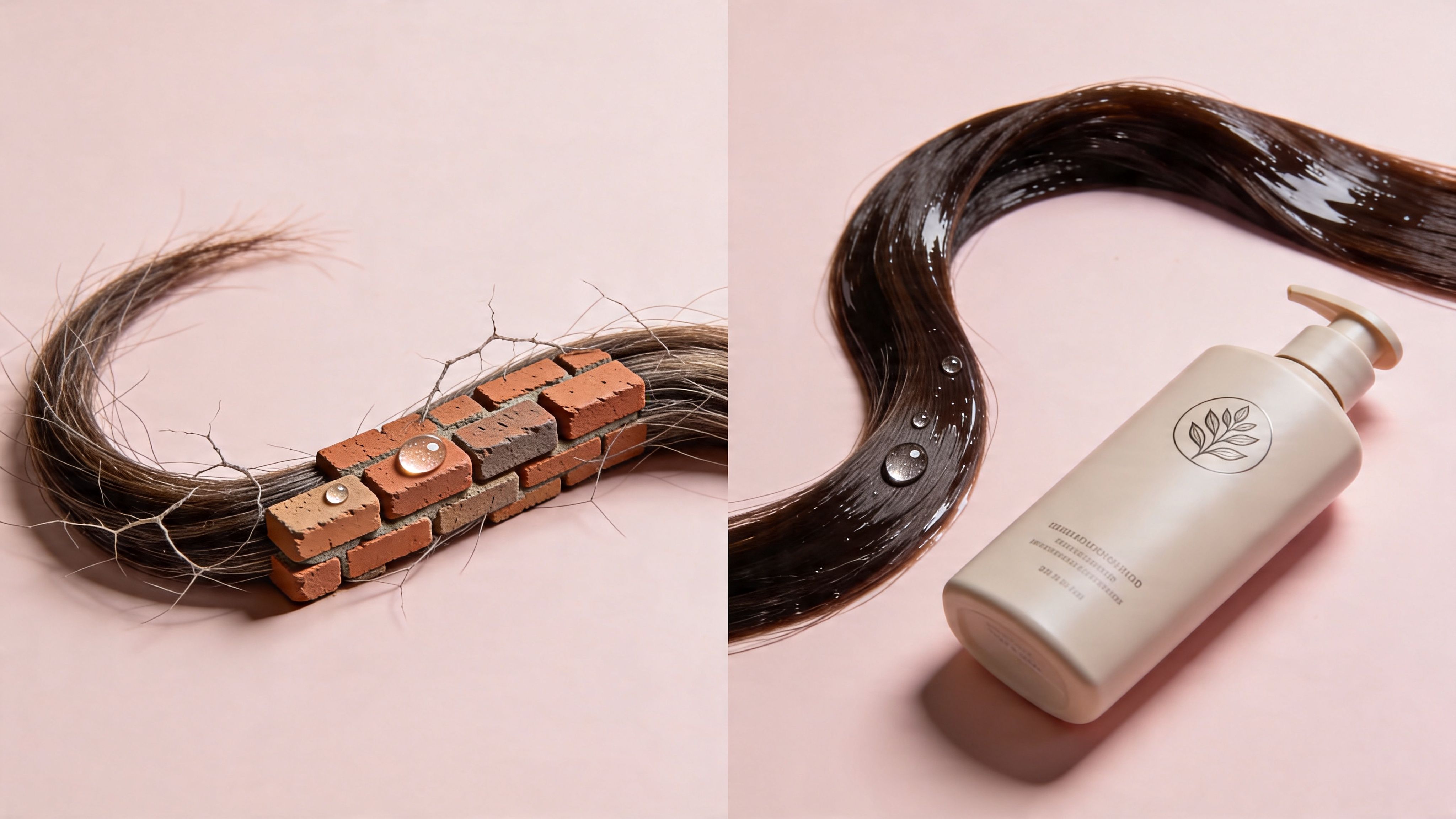
Think of your hair like a brick wall. The protein is the bricks, giving your hair its fundamental strength and structure. The moisture is the mortar, providing the flexibility and elasticity that holds everything together. Get that balance right, and you’ve got strong, healthy hair. When it's off, the whole structure becomes weak.
The Foundation of Healthy Hair

This isn’t about choosing Team Protein or Team Moisture; it’s about making sure your hair has enough of both. These two elements have to work in harmony to give you hair that’s both strong and soft.
Your hair is made almost entirely of a protein called keratin—it's the very backbone of each strand. Without enough protein, hair turns limp, weak, and can’t hold a style to save its life. This is especially true if you frequently color your hair, use heat tools, or spend a lot of time in the sun.
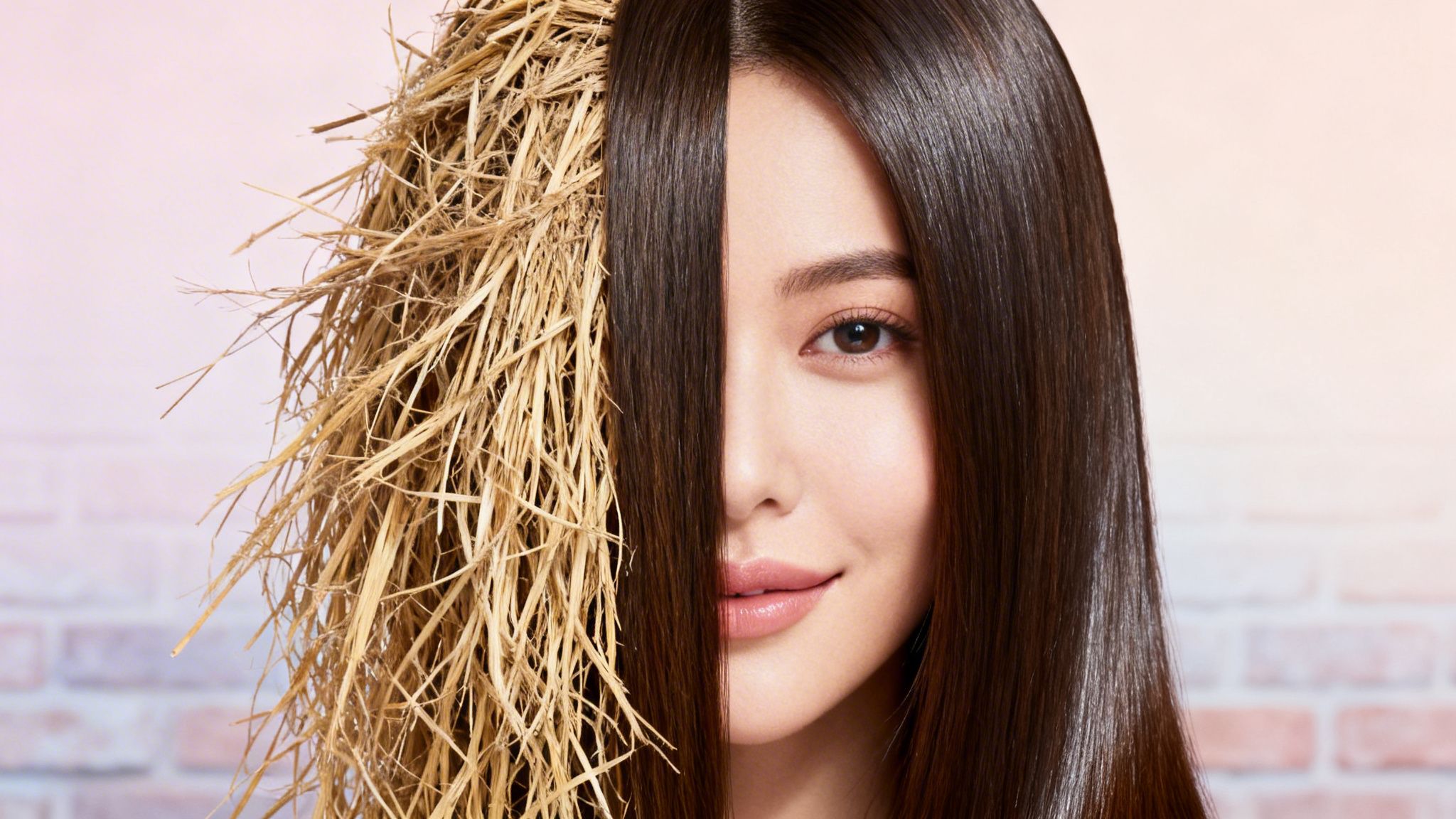
Moisture, on the other hand, is what keeps your hair feeling soft and pliable. It hydrates the strands from the inside out, preventing them from becoming dry and straw-like. When your hair is thirsty, it loses its stretch and just snaps. Hello, breakage and frizz.
Why This Balance Matters for You
Figuring out your hair’s ideal protein-moisture ratio is the key to finally getting a handle on common issues like frizz, dullness, and breakage. It’s what turns unpredictable hair into consistently healthy, gorgeous hair.
- For Strength and Structure: Protein treatments act like scaffolding, patching up the weak spots and gaps in your hair's cuticle. This is essential for repairing existing damage and preventing it from happening again.
- For Elasticity and Softness: Moisture-rich products give your hair the ability to bend and stretch without breaking. That elasticity is what makes hair feel soft and bouncy instead of stiff or crunchy.
But here’s the thing: there’s no single "perfect" balance. It all depends on your hair's unique personality, especially its porosity. For example, high porosity hair has a very open cuticle, which means it loses both moisture and protein at an alarming rate. This hair type often needs more frequent protein boosts to fill in those structural gaps. A great first step is to check your hair porosity with a quick test to see what your hair is really dealing with.
To make it easier, here’s a quick rundown of the signs to look for when your hair’s balance is off.
Quick Guide to Hair Imbalance Symptoms
| Symptom | Protein Overload (Needs Moisture) | Moisture Overload (Needs Protein) |
|---|---|---|
| Feel | Dry, rough, brittle, straw-like | Overly soft, mushy, limp, gummy when wet |
| Appearance | Dull, lacks shine, frizzy | Lifeless, flat, won't hold a curl or style |
| Behavior | Snaps and breaks easily with little stretch | Stretches excessively before breaking, feels heavy |
| Styling | Resists styling, feels stiff and tangled | Looks weighed down, style falls out quickly |
Paying attention to these clues can help you identify exactly what your hair is asking for.
Your hair is always telling you what it needs. If it feels mushy and so soft that your curls fall flat, it’s begging for some protein. If it feels rough, snaps the second you touch it, and looks brittle, it’s desperately thirsty for moisture.
At the end of the day, mastering this balance means learning to listen to your hair and responding correctly. Instead of randomly trying new products, you can build your personalized hair routine to take out all the guesswork. This ensures you're giving your hair the perfect ratio of strength and hydration it needs to thrive.
Diagnosing Your Hair's Imbalance
Is your hair acting out? One day it’s perfect, and the next, it’s a frizzy, brittle mess that just won’t cooperate. This kind of unpredictability is almost always a sign that its fundamental protein-moisture balance is off.
Learning to read your hair’s signals is the first step toward giving it exactly what it craves. When it feels brittle and snaps at the slightest touch, it’s screaming for moisture. When it feels mushy, limp, and can't hold a curl to save its life, it’s begging for protein to rebuild its structure.
Telltale Signs of Protein Overload
Protein is fantastic for giving hair strength, but you can definitely have too much of a good thing. When your hair is overloaded with protein but lacks the moisture to keep it flexible, the strands become stiff and rigid. This is known as protein overload.
Here’s what to look for:
- Brittle and Straw-Like Feel: Your hair feels rough, coarse, and dry to the touch, almost like a haystack.
- Instant Snapping: Strands have zero stretch and will snap or break under very little tension.
- Dull Appearance: The hair has lost its natural shine and looks lifeless and lackluster.
- Increased Tangles and Frizz: The stiff, rough texture causes strands to catch on each other, leading to more knots and frizz.
If your hair feels stiff and looks dull, you’ve likely tipped the scales too far toward protein. The solution is to pull back on the protein-heavy products and reintroduce moisture to bring back softness and flexibility. A quick way to verify your suspicions is to use our free Protein Overload Test.
Telltale Signs of Moisture Overload
On the other end of the spectrum, hair can suffer from too much moisture and not enough protein. This condition, often called moisture overload or “hygral fatigue,” leaves hair weak and overly elastic, like a wet noodle.
Here’s how to spot it:
- Mushy or Gummy Texture: When wet, your hair feels overly soft, limp, and almost gummy or squishy.
- Excessive Stretching: A strand will stretch and stretch and stretch before finally breaking, like a worn-out rubber band.
- Inability to Hold a Style: Curls fall flat almost immediately, and your hair refuses to hold any shape or volume.
- Limp and Lifeless Look: Hair appears weighed down, flat, and has no body or bounce.
When your hair feels this way, it’s a clear signal that it needs a protein treatment to rebuild its internal scaffolding and restore its strength and resilience.
Ever snapped a hair strand and watched it shatter like dry spaghetti? That's a classic sign of protein overload, where too much protein hardens your hair, robbing it of elasticity. This issue is surprisingly common, affecting up to 60% of curly and wavy hair enthusiasts who overdo strengthening treatments. You can discover more insights about hair elasticity on Curl Maven.
The Simple Strand Stretch Test
For a quick diagnosis you can do right now, the strand stretch test is your best friend. It’s a fast and effective way to get a read on your hair’s elasticity and see where your protein-moisture balance stands.
How to Perform the Test:
- Gently pull a single, shed hair from your brush (make sure it’s clean).
- Hold the strand between your thumb and forefinger on both ends.
- Slowly and gently pull the strand apart. Watch carefully to see how it reacts.
Interpreting the Results:
- Balanced Hair: The strand stretches slightly (about 30-50%) and then bounces back to its original length without breaking. Your balance is in a good place!
- Needs Protein (Moisture Overload): The strand stretches on and on, feeling weak and mushy before it eventually snaps. If it stretches more than 70%, it's a cry for protein.
- Needs Moisture (Protein Overload): The strand barely stretches at all (under 10%) and snaps almost instantly. It feels stiff and brittle.
While this test is an excellent starting point, other factors also play a role in your hair’s health. For a more complete picture, you can use our diagnostic tools to understand your hair better. If your hair feels brittle, confirm your suspicion with our quick protein overload hair test. This helps you move from guessing to knowing, so you can choose the right products to bring your hair back into harmony.
How Hair Porosity Controls Your Balance Needs
If you’ve ever felt like your hair just has a mind of its own, porosity is almost always the reason. Picture your hair’s outer layer—the cuticle—as a shingled roof. How tightly those shingles lie flat determines your hair’s porosity, and in turn, what it needs to thrive.
Understanding your porosity is the single most important key to unlocking your perfect protein-moisture balance. It’s the difference between products that sink in beautifully and those that just sit on top, feeling greasy or useless. It tells you exactly how much protein or moisture your strands are begging for.
Low Porosity Hair: The Fortress
Low porosity hair has cuticles that are packed down tight and flat, like a brand-new, perfectly sealed roof. This structure is great for locking in moisture once it's there, but it makes it incredibly difficult for water and products to get inside in the first place.
Because of this resistance, heavy products—especially those loaded with large protein molecules—tend to just coat the hair. This leads to that dreaded stiff, greasy feeling from product buildup.
The name of the game for low porosity hair is lightweight moisture.
- Focus on Hydration: Prioritize moisturizers and leave-ins that are lightweight and water-based. Think sprays and lotions, not heavy creams.
- Limit Heavy Proteins: Use protein sparingly, maybe just once a month. When you do, look for products with smaller proteins like amino acids or hydrolyzed silk, which have a better chance of slipping past those tight cuticles.
- Use Gentle Heat: A little warmth can work wonders. Using a thermal cap while deep conditioning helps gently lift the cuticles, allowing all that goodness to finally sink in.
High Porosity Hair: The Sponge
High porosity hair is the complete opposite. Its cuticles are raised, rough, and full of gaps, kind of like a roof that’s lost a few shingles in a storm. This means it soaks up water and products instantly—but it loses them just as fast.
This constant in-and-out cycle is why high-porosity hair is so often prone to frizz, chronic dryness, and breakage.
Your hair's porosity dictates the ideal protein-to-moisture ratio. Low porosity hair does best with an 80% moisture/20% protein split, while medium porosity is a forgiving 50/50. High porosity, however, craves a 60% protein/40% moisture routine to help patch up and seal its leaky cuticles.
In fact, high porosity is common in 35% of people with damaged, color-treated, or naturally curly hair. According to experts at The Organi Brands, these hair types can lose moisture up to three times faster than others.
For high porosity hair, the goal is to fill those gaps and then seal everything in.
- Embrace Protein: Regular protein treatments are your best friend. They act like spackle, patching the "holes" in the hair shaft to add structure and stop moisture from escaping.
- Layer Your Products: The LOC (Leave-in, Oil, Cream) or LCO method is a lifesaver. You layer hydrating products first and then seal them in with thicker oils or butters to lock it all down.
- Rinse with Cool Water: A final blast of cool water at the end of your shower helps slam those cuticles shut, trapping the moisture and conditioner you just worked so hard to apply.
This chart can help you quickly diagnose what your hair is telling you.

As you can see, brittle, straw-like hair is a classic sign of protein overload, while mushy, limp hair points to too much moisture. The simple strand test is a great way to confirm your suspicions.
Medium Porosity Hair: The Sweet Spot
Medium porosity hair has a cuticle layer that’s neither too tight nor too open. It allows a steady, balanced flow of moisture in and out. It's the "just right" of the hair world—it takes in moisture easily, holds onto it well, keeps a style without much fuss, and doesn’t get weighed down too quickly.
While medium porosity hair is definitely more forgiving, it’s not completely immune to getting out of whack. It still needs a balanced routine, alternating between moisturizing and protein-rich products to keep it happy.
The easiest way to maintain this balance is to take the guesswork out of your routine entirely. You can check your hair porosity with our simple test. Armed with that knowledge, you can then build your personalized hair routine to give your hair exactly what it needs, right when it needs it.
At the end of the day, knowing your porosity is like finally getting the instruction manual for your own hair. It transforms the frustrating cycle of trial and error into a clear, targeted strategy for achieving a healthy and consistent protein-moisture balance.
Decoding Ingredient Labels for Protein and Moisture

Staring at a long ingredient list can feel like trying to crack a code. How do you know if that fancy-looking bottle is actually going to help or hurt your hair’s delicate protein-moisture balance?
The secret is learning to read the label like a pro. Once you can spot the key players—the proteins that strengthen and the moisturizers that soften—you move past the marketing hype. You'll be able to build a routine that truly works for your hair.
Identifying Protein Ingredients
Think of proteins as the repair crew for your hair. They find the tiny gaps and weak spots in the hair cuticle and patch them up, reinforcing the entire strand from the inside out. Spotting them on a label is actually pretty simple once you know the lingo.
Look for words like "protein," "amino acids," or "hydrolyzed." That "hydrolyzed" term just means the protein has been broken down into smaller pieces so your hair can absorb it more easily. This is a huge plus for low porosity hair, which often struggles with larger molecules.
Common Protein Ingredients:
- Hydrolyzed Proteins: These are your go-to strengtheners. Look for hydrolyzed wheat protein, hydrolyzed soy protein, hydrolyzed silk protein, or hydrolyzed keratin.
- Amino Acids: These are the fundamental building blocks of protein. You’ll see them listed as silk amino acids, keratin amino acids, or other ingredients ending in "amino acid."
- Other Proteins: Less common but still effective are ingredients like collagen, oat flour, or rice protein.
If your hair is feeling mushy, limp, or overly soft, a product with one of these ingredients will help bring back its structure and bounce.
Identifying Moisture Ingredients
Moisturizing ingredients are all about hydration, softness, and flexibility. They work by either drawing water into the hair or locking in the moisture that's already there, keeping your hair pliable and preventing breakage. They generally fall into three categories.
When you're scanning a label, remember that ingredients are listed from highest to lowest concentration. If a protein or moisturizer is in the top five ingredients, you know it's a major part of the formula. If it's at the very end of the list, its impact will be minimal.
Understanding how these ingredients work helps you pick the right kind of hydration for your hair's needs.
Three Types of Moisturizing Ingredients:
- Humectants: These ingredients are like magnets for moisture, pulling water from the atmosphere into your hair. Key examples are glycerin, aloe vera, honey, and panthenol (Pro-Vitamin B5).
- Emollients: These are the smoothers. They lay the hair cuticle flat, which makes hair feel soft and cuts down on frizz. Think natural butters like shea butter and cocoa butter, or fatty alcohols such as cetyl alcohol and cetearyl alcohol.
- Occlusives: These ingredients are your sealants. They create a light barrier over the hair shaft to prevent moisture from escaping. This is your best defense against dryness. Common occlusives include oils like jojoba oil, avocado oil, and castor oil.
When your hair feels rough, brittle, and snaps easily, loading up on products with these ingredients will restore that soft, elastic feel. Feeling lost trying to figure out a product label? You can instantly analyze your ingredients with our checker to see exactly what you're working with.
Getting a handle on these ingredients is a total game-changer. It puts you in control, allowing you to choose products with confidence and purpose. You’ll know exactly what you’re putting on your hair and why, ensuring you can maintain that perfect protein-moisture balance for predictable, strong, and healthy hair.
How to Build Your Balanced Hair Care Routine
Alright, so you’ve learned how to spot an imbalance and decode an ingredients list. Now for the fun part: putting it all together to create a routine that works for your hair.
Building a balanced hair care routine isn't about chasing one holy-grail product. It’s about creating a smart, flexible schedule that alternates between protein-packed treatments and deep hydration, all based on what your hair is telling you it needs.
Think of it as moving from damage control to proactive maintenance. The goal is to set up a weekly or bi-weekly plan that gives your hair exactly what it needs before it starts acting out. It’s just like a balanced diet; you need both your proteins and your carbs, and your hair is no different.
Routine for Recovering from Protein Overload
If your hair feels like straw—brittle, rough, and snaps the second you touch it—that’s a classic sign of protein overload. Your mission, should you choose to accept it, is to hit pause on all protein and drench your hair in moisture to bring back its softness and stretch.
This recovery can take a few weeks, but you should feel a real difference after the very first wash.
Here’s a sample weekly plan to get you started:
- Hit the Reset Button: Start with a good clarifying shampoo to wash away any product buildup that’s blocking moisture from getting in. Double-check the label to make sure it doesn't have proteins high up on the ingredient list.
- Go Deep with Moisture: Follow up with a rich, creamy, protein-free deep conditioner. You’re looking for ingredients like glycerin, shea butter, or aloe vera. Slather it on and let it sit for 20-30 minutes—a heat cap will help it sink in even deeper.
- Hydrate and Lock It In: After rinsing, apply a water-based leave-in conditioner. Then, seal all that goodness in with an oil like jojoba or avocado to lock down the hydration. Pay extra attention to your ends, which are always the thirstiest part of your hair.
- Rinse and Repeat (Weekly): Keep this moisture-focused routine going every week. Avoid all products with protein until your hair feels soft and elastic again.
Routine for Correcting Moisture Overload
Is your hair feeling limp, mushy, or completely refusing to hold a style? That’s moisture overload, sometimes called hygral fatigue. Your hair has lost its internal structure and is desperately crying out for some protein to rebuild its strength.
The good news? This is usually an easier fix than protein overload.
Try this targeted recovery plan:
- Start with a Clean Slate: Use a gentle clarifying shampoo to make sure your hair is ready to absorb the treatment.
- Bring in the Protein: Now’s the time for a dedicated protein treatment. If your hair is just a bit limp, a reconstructor with hydrolyzed keratin should do the trick. If it feels seriously "gummy," you might need a stronger two-step treatment to get it back in shape.
- Chase It with Moisture: This part is non-negotiable. After rinsing out the protein, you always need to follow up with a quick moisturizing conditioner for 5-10 minutes. This brings back the hair's flexibility and stops it from feeling stiff or rigid.
- Assess and Adjust: Often, one solid protein treatment is enough to hit the reset button. For the next few weeks, start working a lighter protein conditioner or styler back into your routine to maintain that newfound strength.
Did you know that 91% of your hair is actually made of protein? This fundamental structure gives your strands their strength and elasticity, but daily wear and tear breaks it down. Experts often recommend a 60% protein to 40% moisture ratio for high-porosity locks to fill structural gaps and lock in hydration. You can learn more about how protein supports hair structure at Curlsmith.
Maintenance Routines Based on Porosity
Once you've got your hair back to a happy, balanced place, the name of the game is maintenance. This is where knowing your hair's porosity becomes your ultimate guide. The secret is simple: alternation.
Low Porosity Maintenance: Your hair cuticles are tightly sealed, so your focus should be on lightweight hydration. Use protein sparingly.
- Weekly: Use a moisturizing deep conditioner and add a little heat to help it penetrate.
- Monthly: Bring in a light protein treatment, preferably one with smaller molecules like amino acids or silk protein that can sneak into the hair shaft more easily.
High Porosity Maintenance: Your hair is like a sponge—it soaks up moisture and protein but loses them just as fast. Your routine needs a steady supply of both, with a strong focus on sealing.
- Weekly: Alternate between a moisturizing deep conditioner and a protein-based one. One week, use a moisture mask; the next, use a reconstructor.
- Daily: Layer on leave-in conditioners and seal with oils or butters to stop moisture from escaping. You can find excellent sealants and moisturizers among our recommended products.
Medium Porosity Maintenance: You've got the best of both worlds! Your hair is pretty forgiving, so a balanced, flexible routine is your best bet.
- Weekly: Stick with a good moisturizing deep conditioner.
- Every 2-3 Weeks: Swap your moisture mask for a light protein treatment just to keep that structural integrity in check. Listen to your hair—it will tell you what it needs.
Instead of trying to memorize all these rules, you can eliminate the guesswork entirely. The easiest way to apply these principles is to build your personalized hair routine using our smart tool. It considers your hair type, porosity, and current condition to create a custom weekly schedule with product suggestions, ensuring you achieve and maintain the perfect protein-moisture balance effortlessly.
Frequently Asked Questions About Hair Balance
Diving into the world of protein-moisture balance always brings up a few questions. Once you start paying closer attention to your hair, it’s only natural to want to fine-tune the details. We get it. This section cuts through the noise with clear, straightforward answers to the most common things we get asked, so you can move forward with total confidence.
Think of this as your personal troubleshooting guide. We'll cover how often you should really be using treatments, whether your diet is enough, and what to do when your hair is sending you seriously confusing signals.
How Often Should I Use a Protein Treatment?
This is the number one question we hear, and the honest answer is: it completely depends on your hair's personality—specifically its porosity and current health. There's no magic, one-size-fits-all schedule. The real key is learning to read your hair's feedback.
- High Porosity or Damaged Hair: This hair type has a "leaky," open cuticle that loses protein as fast as you can put it in. To keep it strong and patch up those gaps, it often thrives on a protein treatment as often as once a week.
- Medium Porosity Hair: Your hair is pretty balanced and well-behaved. A light protein treatment every 2-4 weeks is usually perfect for maintaining its structure without pushing it into overload territory.
- Low Porosity Hair: With its tightly sealed cuticle, this hair type can get overwhelmed by protein very easily. A light treatment once a month or even every 6-8 weeks is more than enough.
The golden rule is to listen to your hair. If it starts feeling stiff, rigid, or like straw, that’s your cue to back off the protein. On the flip side, if it feels mushy, overly soft, or just won't hold a style, it’s begging for a strengthening boost.
Ultimately, your perfect frequency is unique to you. To take the guesswork out of it, you can build your personalized hair routine, which creates a schedule based on your hair's exact needs.
Can Diet Alone Solve My Hair's Balance Issues?
A healthy, balanced diet is the absolute foundation for strong hair growth. Getting enough protein from foods like lean meats, eggs, and legumes is vital for building healthy hair from the follicle up. But—and this is a big but—your diet does very little for the hair that has already grown out of your scalp.
Think of it as a two-part strategy: your diet builds the new hair, but your products maintain the old hair. The hair shaft you can see and touch isn't living tissue, so it can't be repaired from the inside out by the nutrients in your bloodstream.
That's where topical products with protein and moisture come in. They are essential for managing the health and integrity of your existing hair—patching up damage, adding flexibility, and protecting your strands from daily life. A great diet gives you a much better starting point, but maintaining that protein-moisture balance day-to-day requires external care.
Does Fine or Straight Hair Need Protein?
Absolutely. It’s a common myth that protein is just for curly or coarse hair. All hair is made of the same thing—keratin, a protein—so all hair needs it to maintain its structural integrity. In fact, fine hair can benefit immensely from the "backbone" and support that protein treatments provide.
Adding a little protein can make fine strands feel fuller and stronger, giving them more resilience against breakage and helping them hold a style without falling flat in an hour.
The catch? Fine hair is also more prone to protein overload simply because there's less surface area. Moderation is everything.
- Choose Small Proteins: Look for products with smaller protein molecules like amino acids or hydrolyzed silk protein. They strengthen without the risk of heavy buildup.
- Use Less Frequently: Start with a light protein treatment once a month. That's often a great starting point, and you can adjust from there.
If you're still unsure if your hair type is craving protein, our hair type quiz can give you personalized insights to guide your next move.
What If My Hair Feels Brittle and Gummy at the Same Time?
This is one of the most confusing hair situations, and it’s almost always a sign of severe damage, usually from chemical treatments or excessive heat. When your hair feels rough and brittle on the outside but mushy or gummy when you stretch a strand, you're likely dealing with hygral fatigue combined with a trashed cuticle.
Basically, the outer cuticle is so damaged and raised that it feels rough, while the inner cortex has lost its protein scaffolding, making it feel weak and mushy. To fix this, you need a "reset," not just a single product.
- Clarify Gently: Start with a gentle clarifying shampoo to get rid of any buildup that could be blocking treatments.
- Rebuild First: Before anything else, use a bond-building treatment (which is different from a standard protein mask) to repair the broken disulfide bonds deep inside the hair.
- Balance with Moisture: Immediately follow up with a rich, moisturizing deep conditioner to bring back elasticity and softness.
To make sure this doesn't happen again, it's a good idea to analyze your current product lineup. You can learn more about building a harmonious routine by exploring our in-depth hair care articles.
Before you go, the easiest way to solve these issues for good is to get on a consistent, personalized plan. Stop the frustrating cycle of buying and trying products that don't work. Take a few minutes to build your personalized hair routine with our Hair Routine Builder. It analyzes your hair profile and goals to create a step-by-step schedule with product recommendations, taking all the guesswork out of achieving healthy hair.
Create Your Custom Hair Routine Today
Ready to finally get off the trial-and-error rollercoaster? The only way to get consistently healthy hair is with a routine built for your hair. Once you understand its unique needs, you can finally nail that perfect protein-moisture balance.
It all starts with knowing your starting point. Figuring out your hair's porosity with a quick hair porosity test and getting honest about its current condition moves you from guessing to knowing. Instead of wondering what to do next, you can take confident, targeted action.
This is where you take back control. Use our Hair Routine Builder to build your personalized hair routine. It takes your unique hair profile and turns it into a step-by-step plan with product recommendations, completely removing the guesswork. It's time to get the strong, hydrated hair you've been working towards.