You wash your hair, enjoy the rich foam, rinse, and expect it to feel fresh. Instead, it feels rough at the ends, puffy around the crown, and somehow both clean and dry at the same time. That confusing result is one reason sulfates get so much attention.
A lot of people hear two extreme messages. One says sulfates are harmful and should always be avoided. The other says sulfate-free is just marketing. Neither is fully right. Sulfates can be useful cleansers, but they can also be too aggressive for some hair types and scalp conditions.
That nuance matters if you're trying to answer a practical question like what does sulfate do to hair. The short version is this: sulfates help shampoo remove oil, dirt, and product buildup. But in some routines, they also remove too much of what hair needs to stay soft, defined, and comfortable.
Introduction to Sulfates in Hair Care
You shampoo, rinse, and run your fingers through your hair. The roots feel freshly cleaned, but the lengths feel rough, the scalp feels a little tight, and now you're left wondering whether the shampoo helped or caused the problem.
That confusion usually starts with one missing piece. "Sulfates" is often treated like one simple label, even though different sulfate cleansers can behave differently, and their effect changes with the full formula, your scalp, your hair type, and how often you wash.
Sulfates are strong cleansers. In many shampoos, they do a good job removing oil, sweat, and stubborn product residue. For someone with an oily scalp or lots of buildup, that can be useful. For someone with dry curls, color-treated hair, or a reactive scalp, the same kind of cleanse can leave hair feeling stripped.
The key question is not whether sulfates are always good or always bad. The better question is whether a specific sulfate shampoo matches what your hair and scalp need right now.
Why people disagree about sulfates
Part of the disagreement comes from lumping all sulfate shampoos together. A shampoo with sodium lauryl sulfate can feel harsher than one built around milder cleansing agents, but the full formula still matters. Conditioners, oils, polymers, fragrance, wash frequency, and water hardness all change how hair feels after washing.
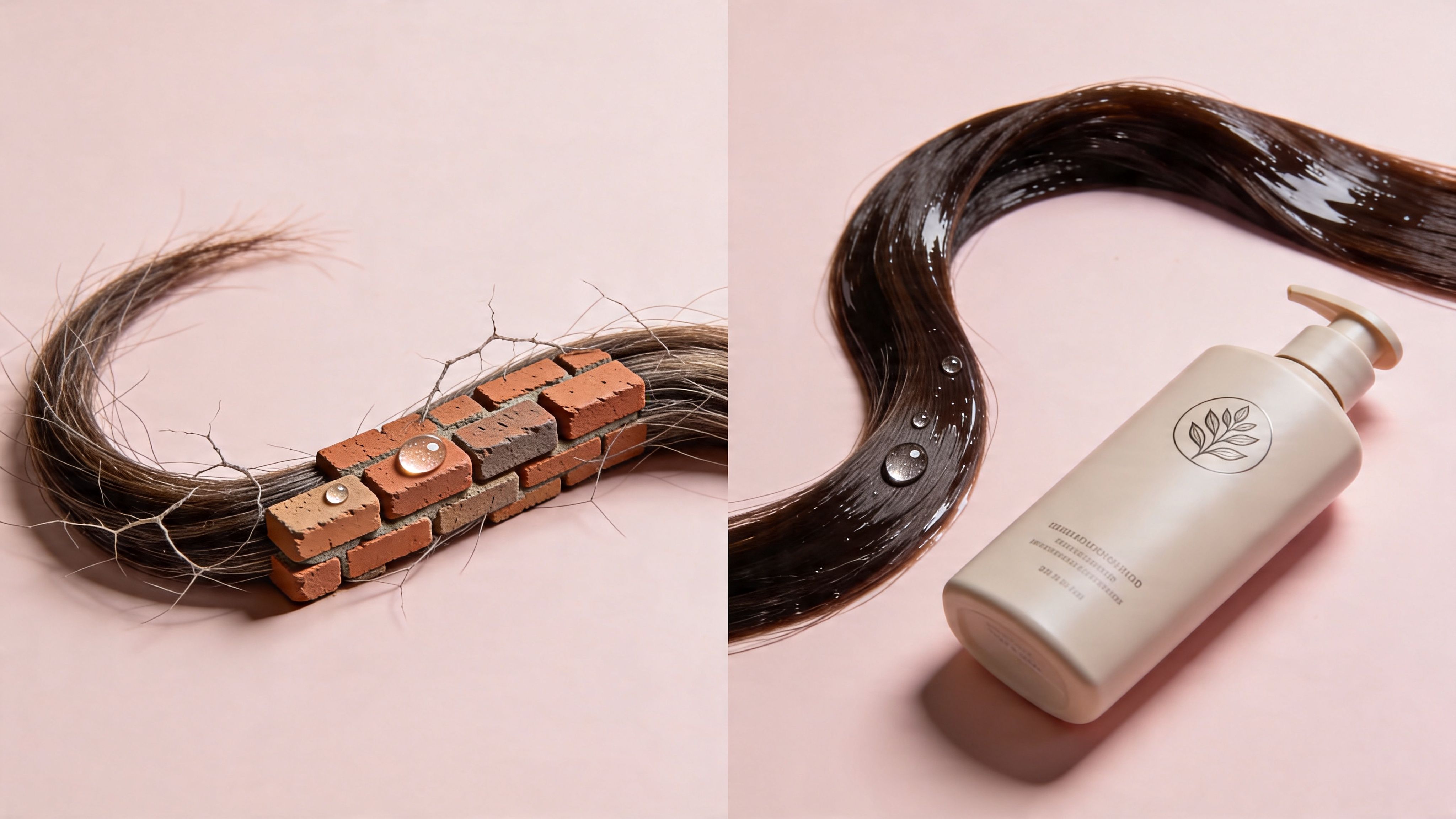
Hair also does not respond like a blank fabric. It behaves more like a delicate textile with its own coating. Remove too little, and buildup stays behind. Remove too much, and the surface gets rougher and harder to manage.
That is why two people can use sulfate shampoo and report opposite results.
One may get cleaner roots, better curl reset, and less residue. Another may get frizz, faded color, or a scalp that feels squeaky and uncomfortable. The effect depends on the formula, hair type, scalp condition, and frequency of use.
A useful approach is to stop treating "sulfate-free" as an automatic upgrade and stop treating sulfates as automatic villains. IsItClean’s AI tools can help sort through that nuance by comparing ingredients and routine factors, so you can choose based on your own hair instead of following one-size-fits-all advice.
Understanding What Sulfates Are and How They Work on Hair
Wash your hair after a few days of dry shampoo, scalp oil, and styling product, and you can feel the difference right away. Some shampoos cut through that buildup fast. That cleaning power usually comes from surfactants, and sulfates are one common type.
A surfactant has two jobs at once. One part is attracted to oil and residue. The other part is attracted to water. That pairing lets shampoo loosen grime from the scalp and hair shaft so water can rinse it away, instead of letting it cling to the strand.

Why sulfates clean so effectively
To understand their function, compare sulfates to dish soap on a greasy pan. Water alone slides over the grease. A strong cleanser breaks it apart so it can be rinsed off. Sulfates do the same kind of work on sebum, sweat, silicone residue, and styling buildup.
This is why shampoos with sulfate cleansers often feel more thorough. They usually produce more foam, too, but foam is not the main event. Lather is just the visible sign. The more important part is how well the formula lifts away residue.
That point trips people up. A shampoo can foam a lot and still be poorly suited to your hair. Another can foam less and still clean well.
Why "clean" can sometimes feel rough
Hair is not supposed to be stripped down to a bare surface after every wash. The outside of each strand has a thin protective layer made up partly of lipids, and that layer helps hair stay smoother, softer, and less prone to moisture loss.
If a shampoo removes too much oil and too much of that surface protection, hair can feel squeaky, tangled, rough, or frizzy after rinsing. The hair is cleaner, but the surface is less cushioned. People often mistake that squeak for proof that a shampoo is working perfectly, when it can also mean the cleanse was stronger than their hair needed.
A helpful way to frame it is this:
- Squeaky hair can mean very little residue is left, but it can also mean the strand lost too much surface lubrication.
- Big foam usually signals stronger lathering, not automatically better hair health.
- Dull hair after washing can happen when the hair is clean but the cuticle no longer lies as smoothly.
If your hair already struggles to hold onto moisture, formula choice matters even more. People with resistant product buildup and low-porosity strands often need a different wash rhythm than people with fragile, porous hair. A low-porosity hair routine guide can help clarify that distinction.
SLS and SLES are related, but not interchangeable
One reason sulfate advice gets confusing is that "sulfates" gets used like it describes a single ingredient. It does not. Sodium lauryl sulfate, or SLS, is generally considered a stronger cleanser. Sodium laureth sulfate, or SLES, is often milder for many people, though the full formula still matters.
That distinction matters because someone may react badly to one sulfate shampoo and do fine with another. The cleanser type, the concentration, the supporting conditioning ingredients, and how often you wash all shape the result.
So the useful question is not just, "Are sulfates bad?" A better question is, "Which sulfate is in this formula, and is this level of cleansing a good match for my scalp, buildup level, and hair condition?" IsItClean’s AI tools are useful here because they help you compare ingredient lists and routine patterns instead of guessing from a front-label claim alone.
Effects of Sulfates by Hair Type and Condition
Hair doesn't react to cleansing the same way across the board. A shampoo that feels fine on one person can leave another person dealing with frizz, roughness, or scalp irritation.

One useful way to think about it is this. Sulfates remove buildup well, but they can also disrupt the hair's lipid barrier and protein structure, which is why dryness, frizz, and breakage show up more often in curly, wavy, color-treated, and high-porosity hair (hair-resurrection.com).
Straight and oily hair
Straight hair often lets scalp oil travel down the strand more easily. That can make stronger cleansing feel helpful rather than harsh.
If your scalp gets oily quickly, a sulfate shampoo may remove sebum and styling residue more effectively than a gentle cleanser. But even here, overuse can leave the scalp feeling stripped and trigger that familiar cycle where hair feels clean for a day, then greasy and irritated after.
Wavy and curly hair
Curly and wavy hair usually has a harder time staying moisturized because natural oils don't move as easily from scalp to ends.
Sulfates can make that problem worse:
- Moisture loss: Hair feels rougher after washing.
- Frizz: The strand surface becomes less smooth.
- Breakage: Dry strands snap more easily during detangling.
- Less definition: Waves and curls lose clumping and spring.
Curly and wavy hair often doesn't need "more clean." It needs enough cleansing without removing the limited moisture it already struggles to keep.
If you're still figuring out how your strand structure behaves, a customized routine for low porosity hair can help you compare cleansin...app/low-porosity-hair-routine) can help you compare cleansing strength with moisture needs.
Color-treated and chemically processed hair
Color-treated hair already has a more vulnerable surface. Sulfates may strip out color from color treatments, which is one reason many people with dyed hair move toward sulfate-free cleansers.
Chemically processed hair also tends to feel drier at the ends. In that situation, a strong cleanser can make the contrast more obvious. The roots feel freshly washed, while the mids and ends feel fragile.
Dry hair and sensitive scalp
Sulfate side effects are easiest to notice here.
According to the verified data, sulfates can trigger reactions such as redness, rash, swelling, itchiness, and hives in sensitive individuals, and they may worsen conditions like eczema and psoriasis by disrupting the scalp barrier. That same barrier disruption is one reason dry hair often becomes duller and harder to manage with frequent sulfate use.
A quick pattern check
If your hair does any of the following right after wash day, your cleanser may be too strong:
| Sign after shampoo | What it may suggest |
|---|---|
| Hair feels squeaky and tangles fast | Too much oil removal |
| Curls fluff up instead of clumping | Cuticle roughness and moisture loss |
| Scalp feels tight or itchy | Barrier irritation |
| Color looks flat sooner than expected | Cleansing may be too aggressive |
When to Use Sulfates and When to Avoid Them
Sulfates do have a place in hair care. The key is using them for the job they're good at, instead of assuming every wash needs maximum cleansing.

When sulfates can make sense
A sulfate shampoo may fit your routine if:
- Your scalp gets oily quickly: Stronger cleansers can cut through sebum more efficiently.
- You use heavy styling products: Gels, waxes, hairsprays, and dry shampoo can build up.
- You want an occasional reset wash: Some people use sulfates as a periodic deep clean.
- Your hair is fine and gets weighed down easily: A stronger cleanse can create a lighter feel at the roots.
The verified data also notes that sulfate-based shampoos can serve as occasional deep-cleaning washes for oily hair or product buildup, even though regular use doesn't suit everyone.
When it's smarter to avoid them
Regular sulfate use is more likely to cause problems when your hair is already prone to dryness or structural stress.
That includes:
- Color-treated hair
- Curly or wavy hair
- Dry or brittle strands
- Sensitive scalp
- Frizz-prone hair
- Hair that feels worse right after shampooing
The beauty industry has seen sustained interest in sulfate-free shampoos, especially among people with color-treated hair because sulfates may strip color from treatments (triprinceton.org).
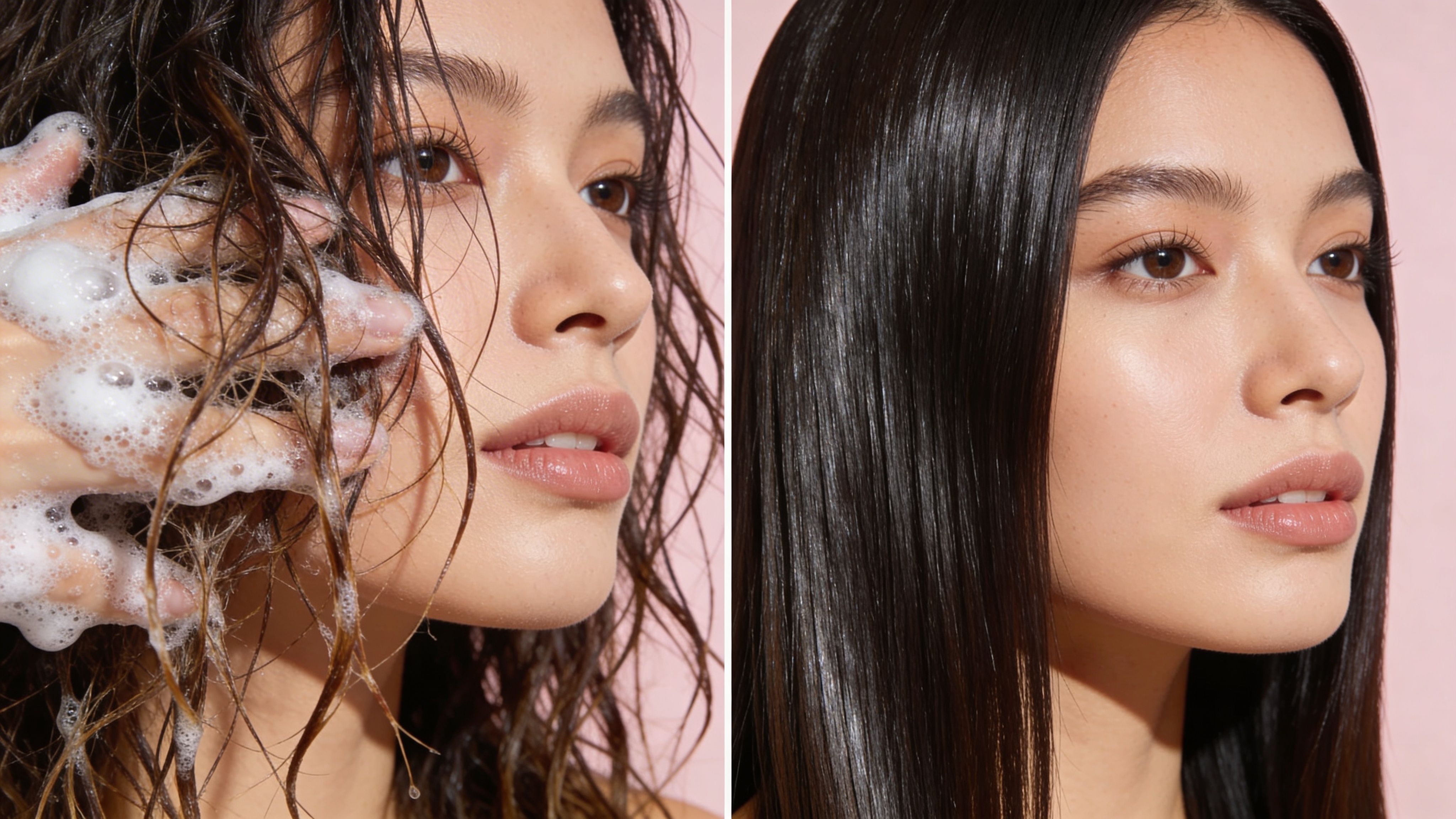
A short demonstration can help you compare wash-day outcomes:
A simple decision rule
Use sulfates based on need, not habit.
If your shampoo leaves your scalp clean but your lengths rough, your product may be solving one problem by creating another. If your scalp is oily and loaded with product, a stronger cleanse may be appropriate. If your hair already struggles to hold moisture, gentler cleansing usually makes more sense.
Alternatives to Sulfates and Mitigation Strategies
A lot of sulfate advice online is too absolute. That's where people get lost.
The more accurate view is that not all sulfates behave the same way. There is no scientific evidence that all sulfates are drying, irritating, or strip color and keratin, and the harshness depends on the overall size and structure of the sulfate molecule, not just the presence of sulfur (ethique.com).
What to look for instead of blanket labels
"Sulfate-free" can be useful, but it doesn't automatically mean gentle. Some formulas without classic sulfates can still feel strong, while some sulfate-containing products may be milder than expected.
A better way to judge a shampoo is to look at:
- Your hair condition: Dry, damaged, color-treated, or oily
- Your scalp response: Comfortable, tight, itchy, or flaky
- The whole formula: Not just one ingredient name
- How often you use it: Occasional clarifying is different from every wash
Gentler options many people prefer
If your hair reacts poorly to stronger shampoos, milder surfactants are often easier to live with.
Examples mentioned in the verified data include:
- Decyl glucoside
- Cocamidopropyl betaine
- Amphoteric or lower-foam cleansers
- Low-poo formulas
These tend to suit routines where moisture retention matters more than deep stripping.
Practical lens: Read ingredient lists the way you'd read a recipe. One harsh cleanser in a strong formula can change the whole experience, even if the front label sounds gentle.
If you like ingredient education across beauty categories, this guide to ingredients to avoid in skincare is also useful because it shows the same general principle: context matters more than fear-based ingredient lists.
If you still want to use sulfates sometimes
You don't have to choose between "always" and "never."
Try these mitigation ideas:
- Use sulfate shampoo only when hair feels coated or heavy.
- Focus the lather on the scalp rather than scrubbing the lengths.
- Follow with a conditioner that supports softness and slip.
- Watch your scalp for itching, tightness, or redness.
- Switch sooner if your curls lose shape or color fades faster.
Building Your Personalized Routine with IsItClean Tools
You wash your hair, your roots finally feel clean, and your ends feel like straw. Or the opposite happens. Your lengths feel soft, but your scalp still feels coated a day later. That mismatch is usually a routine problem, not proof that sulfates are always bad or always good.

A personalized routine works better than copying blanket advice from social media. Sulfate decisions depend on several moving parts at once: how quickly your scalp gets oily, how your lengths hold moisture, how much styling product you use, and whether your hair is color-treated, damaged, or naturally dry.
Start by identifying the hair behavior you actually have
Hair pattern is a good first clue because it changes how oil travels from scalp to ends. Straight hair often gets coated more quickly because sebum can move down the strand with fewer bends in the way. Curly and coily hair usually hold onto dryness more easily for the same reason.
If you want a clearer starting point, use the Hair Type Quiz. It helps translate "my hair is hard to manage" into something more useful for cleanser choice.
Then check how exposed your strands may be
Porosity confuses a lot of people because it sounds abstract. A simple way to read it is this: porosity affects how easily water and products move in and out of the hair shaft. Hair with higher porosity often loses moisture faster, so a strong cleanser can feel harsher even if it works well on someone else.
The Hair Porosity Test can help you sort that out before you judge a shampoo too quickly.
Add scalp signals to the picture
Your scalp sets the cleaning demand. Your lengths set the moisture limit. A good routine respects both.
If your scalp is oily, flaky, itchy, or easily irritated, that changes how often a stronger cleanser makes sense. The Scalp Sensitivity Quiz helps you separate "I need a better wash" from "this formula may be too aggressive for me."
Use the tools together, not one at a time
Single quizzes are helpful, but combining the answers provides the most value. IsItClean’s hair care tools let you compare texture, porosity, scalp behavior, and ingredient patterns so you can choose between occasional sulfate use, gentler routine washing, or a rotation of both.
That matters because sulfate type is only one variable. A stronger sulfate in an occasional clarifying shampoo may fit an oily scalp with fine hair. A milder cleanser may fit frequent washing, high porosity, or fragile curls. The better question is not "Are sulfates bad?" It is "Which cleansing strength fits my scalp, my lengths, and my wash frequency?"
You can refine your choices with the Routine Analyzer, check whether stiffness may come from too much protein with the Protein Overload Test, and scan formulas with the Ingredient Checker.
A simple way to build your routine
Follow this order:
- Identify your texture with the Hair Type Quiz.
- Check strand behavior with the Hair Porosity Test.
- Assess reactivity with the Scalp Sensitivity Quiz.
- Review what your current products are doing with the Routine Analyzer.app/hair-care-routine-analyzer).
- Adjust cleanser strength and wash frequency based on that full picture.
This process gives you a routine that cleans the scalp without punishing the lengths.
If hair goals include fullness as well as gentler cleansing, these medically proven methods for thicker hair can help you think about density and hair health separately. They are related, but they are not the same problem.
Practical Routine Tips for Frequency Clarifying vs Gentle Cleansing
The most common mistake with sulfates isn't using them once. It's using the same cleansing strength every wash, no matter what your hair is asking for.
The verified data makes this clear. Sulfates can help oily scalps or fine hair by cutting through sebum and buildup, but overuse in dry, damaged, or sensitive situations can throw off moisture balance and weaken the hair over time (thedermatologyclinic.com).
Build around scalp behavior
Instead of asking, "Is sulfate good or bad?" ask, "How dirty does my scalp get, and how dry do my lengths feel?"
That gives you a better wash rhythm.
- Oily scalp with minimal dryness: You may prefer a stronger cleanser more often.
- Dry or frizzy lengths: Keep stronger shampoos occasional.
- Heavy stylers or silicones: A clarifying wash may help when hair feels coated.
- Sensitive scalp: Gentler, lower-strip cleansing usually works better.
A practical rotation
A simple routine often works better than a complicated one:
| Hair situation | Cleansing approach |
|---|---|
| Oily roots, fine hair | Alternate between a regular cleanser and a gentle one |
| Curly or dry hair | Use gentle cleansing most wash days, clarify only when needed |
| Color-treated hair | Prioritize mild cleansing and avoid harsh resets unless buildup is obvious |
| High-porosity hair | Keep clarifying less frequent and support moisture after washing |
If you know your strands lose moisture quickly, a routine built for high porosity hair can help you avoid the over-cleansing cycle.
Signs your schedule needs adjusting
Watch for patterns, not single bad hair days.
- Too much clarifying: Hair feels rough, poofy, or tangly after wash day.
- Too little cleansing: Roots stay flat, itchy, or coated.
- Poor balance: Scalp gets oily while ends keep getting drier.
Wash frequency should solve a problem you can name. It shouldn't come from a rule that ignores your scalp and strand condition.
If breakage or thinning is also on your mind, this roundup of medically proven methods for thicker hair gives a broader view of factors beyond shampoo alone.
Conclusion and Next Steps
A sulfate shampoo is not automatically good or bad. It is a cleaning tool, and the result depends on how strong that tool is, how often you use it, and what your hair and scalp need.
That is the part that often gets lost. “Sulfates” sounds like one ingredient choice, but it is really a category. Some sulfate cleansers hit harder and remove buildup fast. Others still clean well but feel less aggressive for some people. Hair responds the same way fabric does. A heavy-duty detergent can be useful for a muddy towel, but too much of that same washing can wear out a delicate sweater.
So the better question is not just, what does sulfate do to hair. It is, which sulfate, used how often, on what kind of hair and scalp?
If your roots get oily quickly or styling products build up fast, a sulfate shampoo may still earn a place in your routine. If your hair is curly, dry, color-treated, high porosity, or your scalp gets irritated easily, you may do better with gentler cleansing most of the time and stronger cleansing only on purpose.
The next step is to stop guessing from front-label claims alone. IsItClean’s AI tools can help you sort your products by how they fit your texture, porosity, scalp comfort, and buildup level.
Use the Hair Routine Builder to turn that information into a routine you can follow. A personalized plan usually works better than following sulfate-free or sulfate-containing advice as a strict rule.