When you see ‘sulfate-free’ on a shampoo bottle, it means the formula skips harsh detergents like sodium lauryl sulfate (SLS) and sodium laureth sulfate (SLES). These ingredients are champions at creating that rich, satisfying lather we’ve all been taught to associate with being “clean.”
But here's the catch: they’re so good at cleaning that they often strip everything away—not just dirt and product buildup, but also the natural, protective oils your hair and scalp desperately need. Going sulfate-free is simply choosing a gentler, more targeted way to wash your hair.
What Does Sulfate Free Mean and Why Should You Care
Think of traditional sulfates as the heavy-duty degreaser you use on a greasy baking sheet. They cut through oil and grime with incredible power, but you’d never use something that harsh on your delicate skin. That's essentially what sulfates can do to your hair.
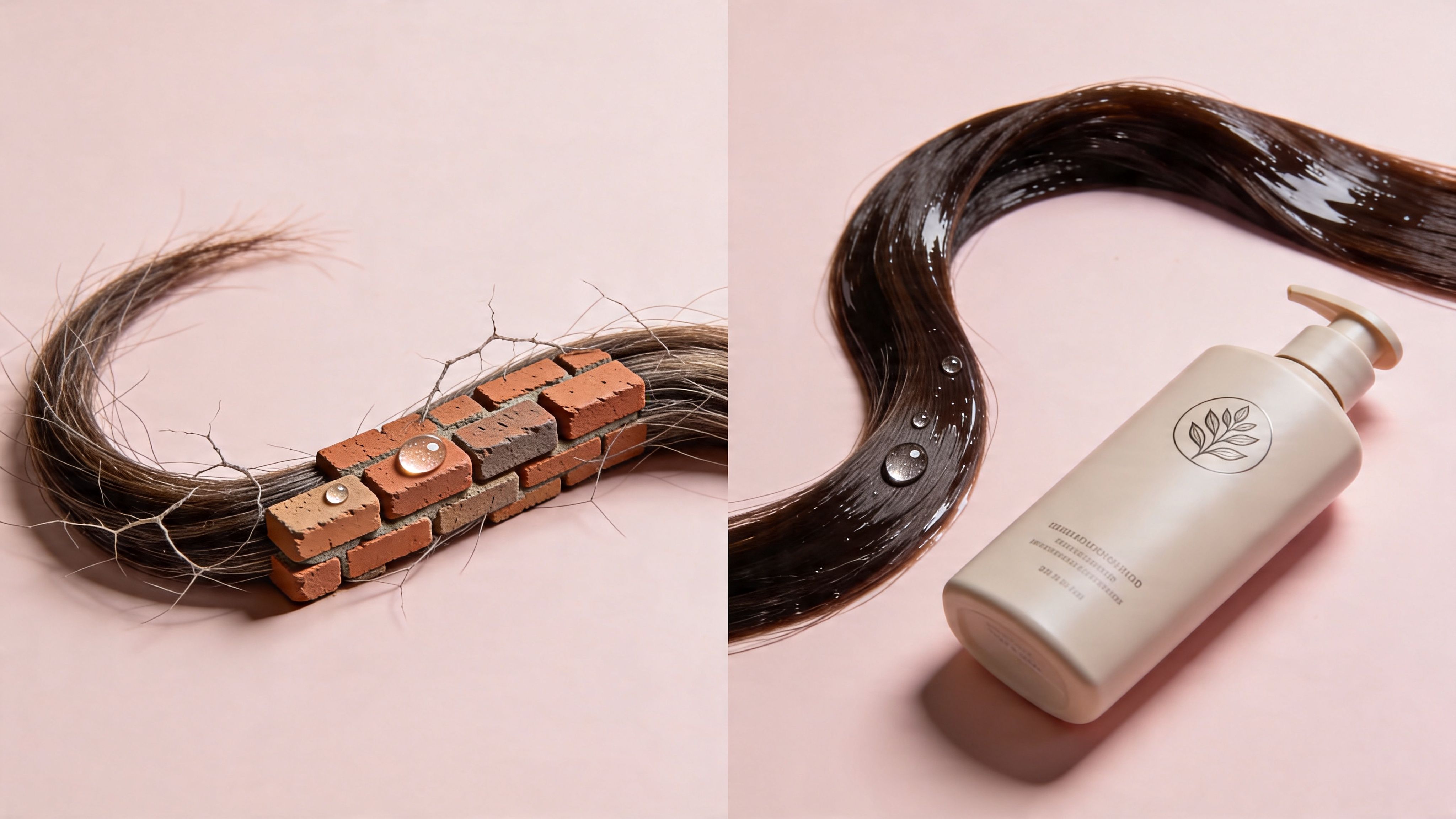
While that sudsy foam feels great, this aggressive cleansing can strip your hair’s natural moisture barrier, leaving you with problems like:
- Unruly frizz and flyaways
- Dry, straw-like strands
- An irritated, itchy, or dry scalp
- Color-treated hair that fades way too fast
This is why understanding what "sulfate-free" really means has become a game-changer for so many people. It’s not just a passing trend; it’s a fundamental shift toward recognizing that your hair has unique needs. What gives one person a deep clean might be the very thing causing damage to someone with curls, color, or a sensitive scalp.
The Rise of Gentler Cleansing
The move away from sulfates isn't just a niche movement—it's a massive evolution in the beauty industry. Projections show the global sulfate-free market is on track to hit USD 5.61 billion by 2030, which tells you one thing loud and clear: consumers are demanding and embracing gentler hair care.
For anyone with high-porosity hair or a sensitive scalp, these milder cleansers are the key to maintaining a healthy moisture balance and avoiding that tight, uncomfortable feeling. If you're unsure about your hair's porosity, you can check your hair porosity with a simple at-home test.
To help you decide what’s right for you, let’s break down the core differences.
Sulfate Cleansers vs Sulfate-Free Cleansers at a Glance
This table gives you a quick snapshot of how traditional shampoos stack up against their sulfate-free counterparts.
| Characteristic | Sulfate-Based Cleansers | Sulfate-Free Cleansers |
|---|---|---|
| Cleansing Power | Very strong; powerful degreasers | Milder and more gentle |
| Lather | Rich, foamy, and abundant | Low-to-moderate lather |
| Effect on Oils | Strips natural oils effectively | Cleanses without stripping moisture |
| Best for | Very oily scalps, heavy product buildup | Dry, curly, color-treated, sensitive hair |
| Potential Downsides | Can cause dryness, frizz, and scalp irritation | May require a double-cleanse for heavy buildup |
Ultimately, choosing the right cleanser depends entirely on your hair's specific needs and challenges.
Understanding "free-from" claims is about taking back control. The logic behind avoiding potentially irritating ingredients applies across many product types. For instance, the same principles of choosing gentler alternatives are discussed in a complete guide to PVA-free laundry detergent, which tackles similar consumer concerns in the household space.
Knowing whether to go sulfate-free starts with knowing your hair. The first step is to pinpoint its unique characteristics so you can build your personalized hair routine with products designed to help you reach your goals, not work against them.
The Real Deal with Sulfates in Your Shampoo
We’ve all been taught to associate a rich, bubbly lather with a really deep clean. For decades, the secret behind that satisfying foam has been sulfates. But why did they become so incredibly common in the first place?
It really comes down to two things: they're extremely effective and very cheap to produce. Sulfates are a type of surfactant—a fancy word for a compound that helps oil and water mix so you can wash away grime.
Think of a sulfate molecule as a tiny powerhouse with two distinct ends. One side is drawn to water (hydrophilic), and the other is drawn to oil and dirt (lipophilic). When you work shampoo into your hair, the oil-loving end grabs onto all the sebum, product buildup, and daily grit. Then, as you rinse, the water-loving end clings to the water, pulling all that gunk right down the drain. This powerful action is what creates that signature bubbly lather.
Why They Became an Industry Staple
Sulfates, especially Sodium Lauryl Sulfate (SLS) and Sodium Laureth Sulfate (SLES), are workhorses. They clean aggressively and cost very little, a combination that made them the default choice for mass-market shampoos for years. This allowed brands to create effective, high-lather products that were affordable for everyone.
The focus was purely on cleansing power, and for a long time, that was enough. A standard 16-oz bottle of sulfate shampoo can still be found for as little as $0.99 to $5.00. In contrast, sulfate-free shampoos often have a higher price tag because their gentler cleansing agents are more expensive to formulate with.
While regulatory bodies like the FDA consider sulfates safe, most hair professionals will tell you there’s a huge difference in how they treat the hair itself, especially if it’s already fragile. You can learn more about the benefits of sulfate-free formulas from GoodRx.
Key Takeaway: The rich lather from sulfates is just a chemical reaction. It's not a true measure of how clean your hair is getting. Gentler cleansers can be just as effective without all the foam.
So, how do you know if you should make the switch? This decision tree makes it simple.

As you can see, if your hair is curly, color-treated, or you have a dry or sensitive scalp, going sulfate-free is almost always the best move. If scalp issues are a primary concern, you can use our Scalp Sensitivity Quiz to get more insight.
For those with extremely oily scalps or stubborn product buildup, a sulfate shampoo can still be useful as an occasional clarifying treatment. Just think of it as a deep clean, not your daily go-to. If you’re not sure what’s in your current bottle, you can analyze your ingredients with our checker tool to spot harsh sulfates instantly.
How Sulfates Impact Different Hair Types
The thing about sulfates is they don't treat all hair the same. Think of them as a powerful, all-purpose cleaner. While that might be great for scrubbing a tough, resilient surface, it’s way too harsh for something delicate. That’s exactly what happens when sulfates meet certain hair types.
Your hair's unique structure—its texture, porosity, and history—plays a huge role in how it stands up to these aggressive detergents. What feels like a simple, satisfying clean for one person can kickstart a frustrating cycle of frizz, damage, or fading color for another.
Figuring out which camp you fall into is the first step in deciding if a sulfate-free routine is right for you.
Curly and Wavy Hair
For anyone with curls and waves, sulfates are often seen as public enemy number one. Why? It comes down to basic hair anatomy. The natural twists and turns of a curl make it difficult for your scalp's oils to travel down the hair shaft, which is why ends tend to get dry.
When you introduce a harsh sulfate shampoo, it strips away those precious, already-scarce oils. This leaves your hair feeling parched, brittle, and in a constant state of distress.
That stripping action also roughs up the hair's outer protective layer, the cuticle. This creates two big problems for curls:
- A Frizz Free-for-All: A raised cuticle is like an open door for humidity. Moisture rushes into the hair shaft, causing it to swell up and create that dreaded halo of frizz.
- Loss of Definition: Without enough moisture to hold their shape, individual curl clumps separate and lose their spring, leaving you with a soft, undefined look instead of bouncy, structured curls.
A gentler approach is the only way to maintain your natural pattern. If you're just starting out, our guide to building a great curly hair routine will walk you through the fundamentals of curl care.
Color-Treated Hair
If you've spent your hard-earned money on a fresh color, sulfates can feel like you're literally washing that investment down the drain. The chemical process of coloring hair makes the strands more porous, creating tiny openings where color molecules can easily slip out with every wash.
The aggressive cleansing action of sulfates speeds this fading process up dramatically. They act like a color-stripping agent, dulling your vibrant shade and forcing you into more frequent—and expensive—trips back to the salon.
Dry, Damaged, and Sensitive Scalps
If your hair is already fighting a battle with dryness or damage, using sulfates is like pouring salt on the wound. They strip away the natural sebum your hair desperately needs to stay lubricated and protected, making dryness worse and leaving strands vulnerable to breakage. Sometimes, this stripping effect can also lead to a condition called protein overload, as the hair's balance is disrupted.
This harshness isn't just limited to your hair; your scalp feels it, too. Many people with sensitive scalps find sulfates to be a major source of irritation, redness, and itching. Understanding how to manage these issues is a cornerstone of personal care, and learning about caring for sensitive skin provides great insights that apply directly to scalp health.
Remember, a healthy scalp is the foundation of healthy hair, and a gentle cleanser is your first line of defense. If you're not sure whether your hair type is particularly vulnerable, taking our quick Hair Type Quiz can give you the clarity you need.
Decoding the Label to Find True Sulfate-Free Products

Ready to become an ingredient detective? Marketing claims on the front of a bottle can be misleading, but the ingredient list on the back never lies. Once you know which ingredients to spot, you can confidently find a truly sulfate-free product.
Your first move should always be to flip the bottle over and scan for the most common harsh sulfates. These are the heavy-duty detergents you’ll want to avoid, especially if you have dry, color-treated, or curly hair.
The Sulfates to Avoid
When you check that ingredient list, keep an eye out for these specific names. They're some of the most potent and widely used sulfates known for stripping hair of its natural moisture.
- Sodium Lauryl Sulfate (SLS): This is the big one. It's an incredibly powerful cleanser that creates that rich lather many people love, but it's often far too harsh for most hair types.
- Sodium Laureth Sulfate (SLES): A slightly milder cousin to SLS, SLES is still a strong cleanser. It can easily lead to dryness and irritation, particularly for those with sensitive skin or delicate hair.
- Ammonium Lauryl Sulfate (ALS): Functionally similar to SLS, this is another aggressive surfactant you'll find in a lot of conventional shampoos.
While these ingredients are excellent at cleaning, they often do their job too well, taking your hair’s essential natural oils right down the drain with the dirt and buildup. If you’re ever unsure about an ingredient, a quick scan with our Ingredient Checker can give you an instant answer.
The Gentle Alternatives to Look For
So, if you’re ditching the harsh stuff, what are the good guys? Sulfate-free shampoos use milder surfactants, often derived from natural sources like coconuts, corn, or fruit sugars. These ingredients get your hair clean without the stripping side effects.
Pro Tip: Don't be scared off by low lather! Sulfate-free cleansers work by gently lifting away grime and oil, not by creating a mountain of foam. A low-lather formula is often a sign that you’ve got a gentler, more hair-friendly product in your hands.
Here are a few hero ingredients that signal you’ve found a great sulfate-free option:
- Cocamidopropyl Betaine: Derived from coconut oil, this is a very common gentle cleanser that helps clean while adding a bit of conditioning slip.
- Decyl Glucoside: Made from corn starch and coconut, this is an exceptionally mild cleanser. It’s a fantastic choice for anyone with sensitive skin.
- Sodium Cocoyl Isethionate: Here's another fantastic coconut-derived cleanser. It gives a creamy, luxurious feel and cleans effectively without being harsh at all.
Learning to recognize these names helps you see past the marketing hype and choose products that actually support your hair’s health. By building a routine around genuinely gentle cleansers, you’re laying the groundwork for stronger, happier hair.
Making a Smooth Transition to Sulfate-Free Hair Care

Alright, so you’ve decided to go sulfate-free. Awesome. But before you jump in, it’s important to know that switching isn't always an overnight success story. Your hair and scalp might need a little time to adjust.
Think of it like this: for years, harsh sulfates have been stripping your scalp clean, forcing it into oil-production overdrive just to keep up. When you suddenly switch to a gentler, sulfate-free shampoo, your scalp doesn't get the memo right away. It keeps producing oil at the same frantic pace, which can leave your hair feeling a bit greasy or weighed down for a few weeks.
This is the "transition phase," and it's completely normal. It’s a sign that your scalp is finally getting a chance to breathe and recalibrate. Stick with it.
Tips for a Seamless Switch
To get through that adjustment period without the awkwardness, you can give your hair a head start. A few simple tweaks to your wash day can make all the difference.
- Start with a Clean Slate: Before you even open your new sulfate-free shampoo, do one last wash with a strong clarifying shampoo. This is non-negotiable. It gets rid of any old silicones or product residue that could sabotage your results.
- Try Double-Shampooing: Sulfate-free shampoos don't lather up like a bubble bath, which can feel weird at first. The trick is to shampoo twice. The first wash breaks up the oil and buildup, while the second one gets your scalp and hair truly clean.
- Focus on Your Scalp: Concentrate the shampoo right where you need it most—your scalp. Gently massage it in with your fingertips to lift away grime, and just let the suds rinse down the lengths of your hair.
Don't panic if your hair feels a little 'off' at first. This phase is temporary. The long-term payoff—hair that’s more moisturized, less frizzy, and a much happier scalp—is absolutely worth it.
Every head of hair is different, and a successful transition often means tailoring the routine to your specific needs. If you’re managing something like low porosity, for example, your approach will be unique. We cover that in detail in our guide to creating a low porosity hair routine.
Instead of navigating the switch with trial and error, why not start with a solid plan? You can build your personalized hair routine with our tool. It creates a complete regimen based on your hair goals and new sulfate-free lifestyle, taking all the guesswork out of the process.
Frequently Asked Questions About Sulfate-Free Hair Care
Thinking about going sulfate-free? It’s a big shift from the shampoos most of us grew up with, so you probably have a few questions.
Let’s clear up some of the most common concerns people have before making the switch.
Will My Hair Get Clean Without a Rich Lather?
Yes, it absolutely will. We’ve all been taught to associate a mountain of foamy bubbles with a deep clean, but that’s really more of a marketing gimmick than hair science. That impressive lather is just a side effect of harsh sulfates doing their thing.
Sulfate-free cleansers use gentler ingredients to lift away dirt, oil, and product buildup. They won't create a huge amount of foam, but your hair will be just as clean—and it will get to keep its natural moisture, which is the real secret to healthy hair.
Are All Sulfates Bad for Hair?
Not every sulfate is a villain, but the ones you’ll find in most drugstore shampoos—SLS and SLES—are known for being incredibly harsh.
A strong sulfate shampoo can be a useful “reset” button for an occasional deep clean, especially if you have a lot of product buildup. But for day-to-day washing, it's just too stripping for most hair types. Think of it as a power-washer, not something you'd use on your hair every day.
You can analyze your current hair care routine to see if your products are helping or hurting your long-term hair goals.
How Long Until I See Results from Going Sulfate-Free?
This is different for everyone. Some people feel a difference in softness and see less frizz after just one wash. For others, it might take 2-4 weeks for their scalp to adjust and rebalance its oil production.
This "transition period" is completely normal. Your scalp might feel a bit oily at first as it learns it doesn't need to overproduce oil to compensate for being stripped dry. Stick with it—the long-term rewards of better moisture, less frizz, and longer-lasting color are worth the wait.
Do Sulfate-Free Shampoos Cost More?
In many cases, yes. The gentle, alternative cleansing agents used in sulfate-free formulas are more expensive to produce than cheap, mass-produced sulfates. That difference is often reflected in the price tag.
However, a lot of people find that they end up saving money in the long run. Healthier hair often requires less product and fewer repairing treatments. You might also find yourself stretching the time between salon appointments for color touch-ups. Investing in a quality cleanser usually pays for itself.
Ready to stop guessing and start building a hair care routine that truly works for you? Instead of spending hours researching and experimenting, let us do the heavy lifting. The Hair Routine Builder by IsItClean takes your unique hair type, concerns, and goals into account to create a fully personalized, step-by-step regimen with product recommendations. It’s the smartest way to achieve your best hair ever.