
Ever heard the term low pH shampoo and wondered what all the fuss was about? It's pretty simple: these are cleansers formulated to have a pH level between 4.5 and 5.5, which perfectly matches the natural acidity of your hair and scalp.
Keeping your hair in this happy, slightly acidic state is the secret to keeping its outer layer—the cuticle—smooth, flat, and sealed. The result? Shinier, less frizzy hair that holds onto moisture like a pro.
Why Your Hair's pH Balance Is a Game Changer
Think of your hair's cuticle layer like the shingles on a roof. When everything is balanced and healthy, those shingles lie down flat and tight, creating a smooth, protective shield that locks in moisture and keeps the fragile inner parts of your hair safe.
The problem is, many popular shampoos are actually alkaline (high pH). When you wash with them, they blast open those cuticle "shingles." Your hair might feel squeaky clean, but it's actually in a state of crisis, which leads to some of the most common hair frustrations we all face.
- More Frizz and Tangles: When those cuticle "shingles" are raised, they snag on each other, creating friction, knots, and that frustrating halo of frizz.
- Faster Color Fade: An open cuticle is like an open door for color molecules. Your expensive dye job literally washes down the drain much faster.
- Dryness and Breakage: With its protective barrier wide open, your hair can't hold onto moisture. It quickly becomes brittle, weak, and much more likely to snap.
The Science Behind a Balanced Cleanse
Getting this one concept right is the key to solving so many hair issues. A low pH shampoo doesn't fight against your hair's natural state; it works with it. It cleanses your hair and scalp without throwing off their acidity, helping to keep that cuticle layer smooth and sealed.
This isn't just another trend—it's about getting back to the science of healthy hair. When you get your cleansing step right, every other product you use, from conditioners to stylers, can finally do its job properly. The first step is figuring out what your hair needs, which is why it helps to build your personalized hair routine and see exactly where a low pH shampoo fits in.
We're seeing a huge shift in the beauty world. People are tired of harsh, stripping formulas and are actively looking for gentler, smarter products that support long-term hair and scalp health.
This change in mindset is shaking up the entire hair care market. While the total shampoo market was valued at an eye-watering USD 38.23 billion in 2025, the real action is in niche categories like sulfate-free and low pH cleansers. These segments are booming, especially in places like the Asia Pacific region, where consumers are using pH-balanced formulas to fight humidity-induced frizz. You can dive into the full market analysis on Fortune Business Insights to see just how much demand is growing.
By switching to a low pH shampoo, you aren't just buying another product. You're adopting a more effective, science-backed approach to caring for your hair.
Who Benefits Most From a Low pH Shampoo
While just about anyone can get better-looking hair from a pH-balanced shampoo, some of us will see a night-and-day difference. A low pH shampoo isn’t a magic wand, but if you’re dealing with certain hair or scalp issues, it can feel like one. It gets to the root cause of so many common frustrations by simply working with your hair's natural state, not against it.
This isn't just a niche trend, either. The market for sulfate-free shampoos, which are often formulated to be low pH, was valued at USD 5.32 billion in 2024 and is on track to nearly double by 2033. It’s a clear sign that people are tired of harsh detergents that strip their hair and scalp. You can read the full research on this growing market trend to see how this awareness is shaking up the industry.
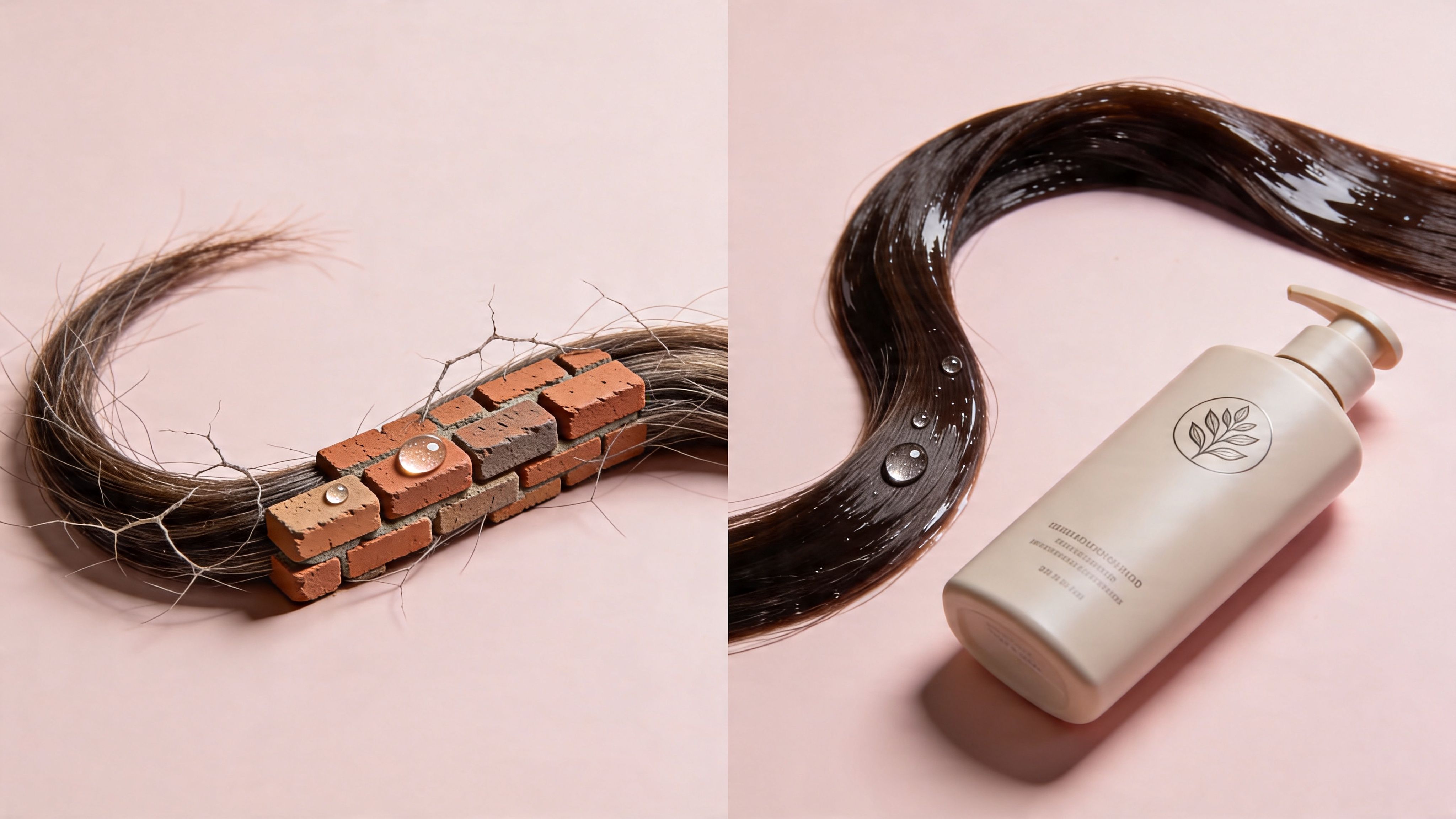
This simple diagram shows you exactly what’s happening at the strand level.

As you can see, alkaline products rough up the hair’s protective cuticle layer, causing damage. A low pH shampoo does the opposite—it helps seal that layer down, which is the key to smoother, stronger hair.
Let's break down who gets the biggest payoff from making this switch. The table below highlights the most common concerns and how a low pH shampoo acts as the perfect solution.
How Low pH Shampoo Transforms Different Hair Types
| Hair Concern | The Problem With High pH | The Solution With Low pH | Recommended IsItClean Tool |
|---|---|---|---|
| Color-Treated & Bleached Hair | Keeps the hair cuticle open, allowing expensive color molecules to wash out quickly. | Seals the cuticle shut, locking in color pigments for longer-lasting vibrancy and less fading. | Color Safe Product Checker |
| Curly & Wavy Hair | Lifts the already raised cuticles of curly hair, causing friction, tangles, and frizz. | Smooths the cuticle, allowing curls to clump together for better definition, less frizz, and more shine. | Curly Hair Product Checker |
| Damaged & High Porosity Hair | Worsens porosity by keeping the damaged cuticle lifted, leading to rapid moisture loss. | Helps "patch up" gaps in the cuticle, minimizing moisture loss and protecting against further damage. | Hair Porosity Test |
| Sensitive & Dandruff-Prone Scalp | Disrupts the scalp's natural acidic barrier (acid mantle), leading to dryness, irritation, and fungal overgrowth. | Maintains the scalp's natural pH of around 5.5, supporting a healthy microbiome and reducing irritation. | Scalp Sensitivity Quiz |
Now let’s dive deeper into why this works so well for each of these concerns.
Color-Treated and Bleached Hair
If you spend your hard-earned money on salon color, think of a low pH shampoo as your insurance policy. The processes of dyeing and bleaching are extremely alkaline—they have to be, to force the hair cuticle open and alter your hair's pigment. Using a high-pH shampoo afterward just keeps that door propped open, letting your beautiful color molecules rinse right down the drain.
A low pH shampoo is the fix. It encourages the cuticle to lie flat and seal itself shut. This simple action locks in your color, dramatically extending its life and preventing that disappointing premature fade. It’s an easy swap that protects your investment.
Curly and Wavy Hair
For anyone with curls and waves, frizz is the eternal enemy. The natural shape of curly hair already gives it a slightly raised cuticle, and a high-pH shampoo just makes a bad situation worse. When those cuticles are standing on end, they snag on each other, creating that frustrating halo of frizz, friction, and tangles. Figuring out your exact wave or curl pattern with a hair type quiz can help you find products that offer the best definition.
A low pH shampoo is a game-changer for getting smooth, defined curl clumps. By helping the cuticle lie flat, it reduces that strand-on-strand friction. This allows your curls to form their natural pattern without being interrupted by frizz, giving you more bounce, shine, and definition.
Damaged or High Porosity Hair
Let’s be direct: damaged hair is porous hair. Whether it's from heat styling, chemical treatments, or just environmental wear-and-tear, the result is a cuticle layer that’s full of gaps and holes. This makes it almost impossible for your hair to hold onto moisture.
For this hair type, a low pH shampoo is non-negotiable. It helps to smooth down and temporarily "patch" that compromised cuticle, which drastically reduces moisture loss and helps prevent the damage from getting worse. If you think this sounds like your hair, you can check your hair porosity with a quick at-home test to find out for sure.
A healthy scalp is the foundation for healthy hair, and pH plays a vital role. An imbalanced scalp can't support strong, vibrant hair growth, often leading to issues that people mistake for a hair problem.
Sensitive or Dandruff-Prone Scalps
Your scalp has its own natural defense system called the acid mantle, which keeps its surface at a happy pH of around 5.5. This acidic barrier is your first line of defense against the bad bacteria and fungi that can cause trouble.
High-alkaline shampoos completely disrupt this delicate balance. They can strip the acid mantle, leading to dryness, itchiness, irritation, and even creating the perfect environment for the fungus that contributes to dandruff. A low pH shampoo helps maintain that crucial acidic environment, promoting a healthy scalp microbiome. For many people with sensitive skin or persistent flakes, this brings incredible relief by finally fixing the imbalance at the source. If you're struggling to figure out what's causing your scalp issues, our scalp sensitivity quiz can point you in the right direction.
How to Find a Low pH Shampoo in the Wild

Alright, so you’re sold on the benefits of a low pH shampoo. The only problem? Most brands don't print the pH value on the front of the bottle. It can feel like you’re on a treasure hunt without a map.
But don’t worry—you don't need a lab coat to figure this out. Once you know what to look for, you can learn to spot the signals and become a pro at picking the right products right in the store aisle.
Decoding Marketing Language
The first clues are often hiding in plain sight. Brands use specific phrases on the front of the bottle to hint that a formula is gentle and acidic, without needing to get into the nitty-gritty science.
Keep an eye out for these key terms:
- "pH Balanced" or "pH Optimized": This is your most obvious clue. It's the brand’s way of telling you they’ve formulated the product to be in that sweet spot for healthy hair and scalp.
- "For Color-Treated Hair" or "Color Protect": We’ve already covered how colored hair needs a sealed cuticle to keep its vibrancy. Shampoos made for this job are almost always low pH to lock that color in.
- "Gentle Cleansing" or "For Sensitive Scalps": These phrases are a good sign. They suggest the shampoo is designed to cleanse without disrupting your scalp's acid mantle, which points directly to a lower pH formula.
- "Frizz Control" or "Smoothing": What’s a major cause of frizz? A raised, high-pH cuticle. Shampoos that promise to fight frizz usually do so with an acidic formula that helps flatten the cuticle right back down.
While these phrases are a great starting point, they're still just marketing. The real proof is always on the back of the bottle.
Uncovering Clues in the Ingredient List
This is where you can confirm your detective work. The ingredient list (also called the INCI) tells the true story of the formula. You don't need to memorize every chemical, but learning to spot a few key acidic ingredients is a game-changer.
Think of an ingredient list as a recipe, not a dictionary. When you see acidic ingredients listed near the middle or end, it’s a strong signal they’re being used as pH adjusters to bring the whole formula into that ideal 4.5 to 5.5 range.
Here are some common acidic ingredients to look for:
- Citric Acid: A go-to pH adjuster derived from citrus fruits. You’ll see this one everywhere.
- Lactic Acid: An alpha-hydroxy acid (AHA) that also provides gentle exfoliation for your scalp.
- Aloe Barbadensis Leaf Juice (Aloe Vera): This amazing plant ingredient is naturally acidic, with a pH of around 4.5, making it a fantastic base for low pH products.
- Ascorbic Acid (Vitamin C): Another acid that pulls double duty as a powerful antioxidant.
Trying to remember all this while you're shopping can be a real hassle. Instead of guessing, you can use our ingredient checker to get instant clarity. Just snap a photo of the label, and it will break everything down for you. You can also explore our other hair care analysis tools for even deeper product research.
The Ultimate Test: pH Strips
If you want absolute certainty, the most reliable way to know a shampoo's pH is to test it yourself. This is surprisingly easy, affordable, and honestly, a little bit fun.
Here’s how you can do it:
- Get pH Strips: You can find a pack of litmus paper pH test strips online or in a pharmacy for just a few dollars. Just make sure the range covers at least pH 3 to 8.
- Mix Your Sample: In a small, clean cup, mix a little bit of shampoo with a splash of distilled water. Using tap water can throw off the reading, so stick to distilled.
- Dip and Compare: Dip one of the test strips into your shampoo mix for a couple of seconds, then pull it out.
- Read the Result: Wait about 15-30 seconds for the color to fully develop. Now, just compare it to the color chart that came with your strips.
If your strip turns a yellow-to-orange color (which usually signals a pH between 4.5 and 5.5), congratulations—you’ve officially found a great low pH shampoo. This simple test puts the power in your hands, giving you complete control over what you use on your hair.
Building Your Complete pH-Balanced Hair Routine

A fantastic low pH shampoo is the perfect starting point for healthier hair, but it’s just that—a start. To get that truly smooth, shiny, and resilient hair you're after, every single product in your lineup needs to play for the same team. Your routine is only as strong as its weakest link.
Think about it: switching to a pH-balanced shampoo is a huge win, but if you follow it up with a high-pH conditioner, you're basically undoing all that good work. An alkaline product can pry the hair cuticle right back open, leaving your hair just as vulnerable to frizz and moisture loss as before. A truly effective routine is a cohesive, pH-conscious system from start to finish.
Pairing Your Shampoo with the Right Conditioner
The most critical partnership in your hair care routine is your shampoo and conditioner. After your low pH shampoo gently cleanses and encourages the cuticle to lie flat, your conditioner's job is to come in and completely seal the deal.
A low pH conditioner is formulated to work in perfect harmony with your shampoo. It locks down the cuticle, trapping all the moisture and nourishing ingredients inside the hair shaft. This one-two punch is what creates that incredibly smooth, reflective surface that we all recognize as healthy-looking hair.
When you're shopping, keep an eye out for conditioners labeled "pH-balanced" or "for color-treated hair," as these are almost always acidic. You can find a huge selection and compare your options in our database of hair-friendly products.
The Protein and Moisture Connection
Sticking with a pH-balanced routine has a powerful side effect: it dramatically improves your hair's ability to hold onto moisture. With the cuticle properly sealed, water can't escape as easily, and you’ll likely notice your hair feels much more hydrated and less thirsty.
This newfound moisture retention can completely change how your hair responds to other treatments, especially protein.
Many people who think their hair is "protein-sensitive" are actually dealing with chronically dry, high-porosity strands. When you slap a heavy protein treatment onto parched hair, it can feel stiff and brittle. But once a low pH routine helps restore your hair’s natural hydration, you might just discover your hair can handle—and even craves—certain proteins for strength and structure. If you suspect your hair has become stiff and brittle, you can take a protein overload test to be sure.
Don't fall for the myth that protein is inherently bad for certain hair types. The idea of a rigid "protein-moisture balance" isn't supported by science. In reality, many protein derivatives also act as humectants, meaning they attract moisture.
The key is to understand what kind of protein you’re using and to pay attention to how your newly hydrated hair reacts. You might need to use deep conditioners less often or choose products with lighter proteins. The goal isn't to perfectly balance two opposing forces, but simply to give your hair what it needs, when it needs it.
Taking the Guesswork Out of Building a Routine
Feeling overwhelmed by all the choices? You're not alone. Trying to figure out which low pH shampoo, conditioner, and styling products will work together can feel like a complex chemistry experiment. The easiest way to create a synergistic system is to get a personalized plan.
Instead of endless trial and error, you can build your personalized hair routine with our free tool. It analyzes your hair type, porosity, and goals to recommend the perfect low pH shampoo, conditioner, and stylers that are designed to work in harmony. It takes the guesswork out of achieving healthy, balanced hair so you can focus on enjoying the results.
Debunking Common Low pH Shampoo Myths
With so much chatter about hair health, it’s easy to get lost in the noise. The world of low pH shampoos, in particular, is packed with half-truths that can leave you wondering what’s best for your hair.
A big one we hear all the time? People worry that a gentle, pH-balanced formula can't possibly get their hair truly clean, especially if they have an oily scalp. Let's tackle these common myths head-on and set the record straight.
Myth 1: Low pH Means Weak Cleansing
There’s a deep-seated belief that a shampoo has to create mountains of rich, foamy lather to be effective. This makes a lot of people think a low pH shampoo, which is naturally gentler, just won’t cut it when it comes to removing dirt, oil, and product buildup.
This couldn't be further from the truth. A shampoo's cleaning power comes from its surfactants—the ingredients that actually do the washing—not from its pH level. Modern shampoos use sophisticated, mild surfactants that do a fantastic job of lifting away impurities without having to be harsh or alkaline. A well-made low pH shampoo cleans your hair and scalp perfectly while respecting their natural acidic state.
Myth 2: Natural or Organic Always Means Low pH
This is another huge misconception. It's easy to assume that a product labeled "natural" or "organic" is automatically pH-balanced. While these products can have amazing plant-based ingredients, those labels tell you nothing about the final pH of the formula.
In fact, some all-natural cleansers, like traditional soap-based ingredients, can be extremely alkaline. Getting the pH right is all about careful formulation science. It involves using acidic ingredients (like citric acid) to deliberately bring the entire product into that ideal 4.5 to 5.5 range. So, look for "pH balanced" on the label instead of just relying on "natural."
If you're curious about how different ingredients work in hair care, you can explore our other educational articles for a deeper dive.
Key Takeaway: Don't mistake gentle cleansing for weak cleansing. A good low pH shampoo is more than capable of cleaning your hair—it just does it without stripping your hair and scalp, which can actually help manage oiliness over time.
Myth 3: Low pH Shampoo Is Bad for Oily Hair
This one feels counterintuitive, but it's probably the most important myth to bust. If you have an oily scalp, your first instinct is often to grab the strongest, most stripping shampoo you can find. The goal is to obliterate that oil, right? Unfortunately, this approach almost always backfires.
When you use a harsh, high-pH shampoo, you strip away your scalp's protective acid mantle. Your scalp panics, thinking it's under attack, and kicks its oil production into overdrive to compensate. The result? You end up in a vicious cycle, with hair that gets even greasier, faster.
Switching to a low pH shampoo breaks this cycle. It cleanses effectively while keeping the scalp's ecosystem intact, helping to regulate sebum production for a healthier, less reactive scalp in the long run.
Your Path to Perfectly Balanced Hair
Okay, so we've dived deep into the science behind pH. We know that a low pH shampoo can mean less frizz, color that actually lasts, better moisture, and a scalp that finally feels calm and happy.
But getting those results isn't about finding one single magic product. It's about building a smart, personalized routine where every step works together.
Your First Step to Better Hair
The path to your best hair starts with understanding what it actually needs. This means moving past generic advice and figuring out what your specific hair type, porosity, and scalp condition are calling for. You can even use a routine analyzer to see if the products you currently own are right for your goals.
It’s all about making informed choices instead of just guessing and hoping for the best.
The most effective hair care plan is one built just for you. It ensures every product, from your low pH shampoo to your leave-in conditioner, works in harmony to get you to your goals.
Instead of getting lost in a sea of products, you can take the guesswork completely out of the equation.
A Personalized Plan Made Easy
The single most impactful step you can take is to get a clear, actionable plan. We built our free tool to do just that—crafting a complete regimen based on your hair's unique profile. It's the simplest way to finally bridge the gap between the hair you have and the hair you want.
Take the first step today and build your personalized hair routine. It’s a free, easy-to-use tool that creates a complete, pH-balanced regimen just for you, helping you choose the right products to finally achieve your hair goals. Your path to perfectly balanced hair is just a few clicks away.
Frequently Asked Questions
Jumping into the world of hair science can feel a little overwhelming, but it doesn't have to be. Let's clear up some of the most common questions about low pH shampoo so you can feel confident about what you're putting on your hair.
Are All Sulfate-Free Shampoos Low pH?
Not always, and this is a common point of confusion. While many sulfate-free shampoos are formulated to be gentler, the two terms aren’t the same thing.
"Sulfate-free" simply means the shampoo doesn't use harsh detergents like SLS. A product can be free of those sulfates but still have a higher, alkaline pH that ruffles your hair’s cuticle. To be sure, look for callouts like "pH balanced" on the bottle or scan the ingredient list for acids like citric acid.
How Long Until I See Results From a Low pH Shampoo?
You'll probably notice some benefits right away. Things like softer-feeling hair and less frizz can show up after just one wash because sealing the cuticle has an immediate smoothing effect.
For the deeper, long-term improvements—like a healthier scalp and better moisture retention—give it about 2 to 4 weeks. This gives your hair and scalp enough time to fully adjust and rebalance, especially if you’re switching from harsher, alkaline products.
Can I Still Use a Clarifying Shampoo?
Absolutely, and you should! Think of your low pH shampoo as your daily driver; it’s perfect for gentle, regular cleansing. A clarifying shampoo is your deep-cleaning treatment, meant for occasional use.
Using a clarifying shampoo once or twice a month is the perfect way to hit the reset button. It removes stubborn product buildup and mineral deposits that your regular shampoo might miss, ensuring your hair stays truly clean without being stripped day-to-day.
Is a Low pH Shampoo Good for Oily Hair?
Yes, it can be a game-changer for oily hair. It seems backward, but harsh, high-pH shampoos often make an oily scalp worse. By stripping away all the natural oils, they send your scalp into panic mode, causing it to pump out even more oil to compensate.
A gentle, low pH shampoo breaks this vicious cycle. It cleanses your scalp effectively without that harsh stripping effect. Over time, this helps regulate oil production, leading to a much healthier, more balanced scalp.
Ultimately, finding what works for your specific hair and scalp is everything. If you're tired of the guessing game, getting a personalized recommendation is the best next step.
Ready to stop the trial-and-error cycle and achieve your hair goals? The team at IsItClean has built a free tool that makes it easy. Take the first step and build your personalized hair routine to discover the perfect pH-balanced products and create a regimen tailored just for you.