Hair Protein Treatment 🧬 10 min read

The Ultimate Guide to Hair Protein Treatment: Restoring Strength, Structure, and Definition

Learn how a targeted hair protein treatment can rebuild damaged strands, restore elasticity, and bring back the bounce and definition to your curls without causing protein overload.

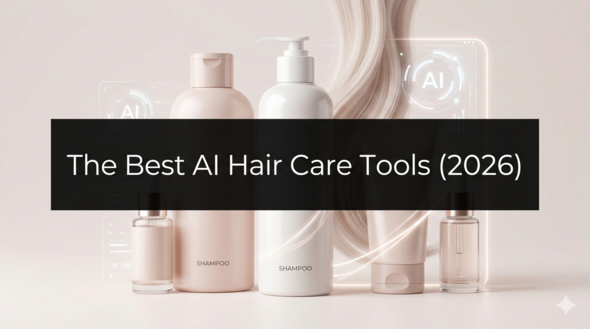
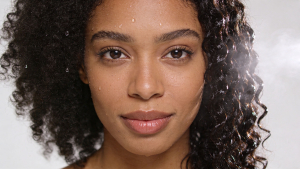
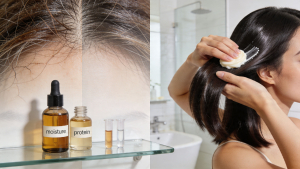
Hair protein treatment text over hair care products
Hair protein treatment can reset damaged strands and restore strength when used correctly.

Have you noticed your once‑bouncy curls now hang limp? Does your hair feel perpetually mushy when wet, stretching excessively before snapping? Perhaps you see a pile of tiny broken pieces on the floor after every detangling session. If these symptoms sound familiar, your hair might be suffering from a critical deficit: a lack of structural strength.

We spend so much time prioritizing moisture—which is crucial—that we often forget the other foundational element: protein. A hair protein treatment is the essential reset button for damaged, over‑moisturized, or chemically weakened strands. It’s not just about softening your hair; it’s about rebuilding the very bonds that keep it strong, elastic, and defined.

Understanding the role of protein in your hair’s anatomy is the key to unlocking true, lasting hair health. The hair shaft is primarily composed of keratin, a fibrous structural protein. When hair is exposed to environmental stress, chemical treatments (like coloring or relaxing), or even excessive heat styling, the external protective layer and internal structure of this keratin can become compromised and porous.

In this guide, we’ll walk through what a hair protein treatment actually is, how it repairs damaged areas, who truly needs it, and—most importantly—how to keep a healthy balance so you don’t end up with protein overload. And if you want to double‑check what’s already hiding in your shampoos, masks, and leave‑ins, you can run them through our AI ingredient checker on the main ingredient checker page before you start.


What Is a Hair Protein Treatment and How Does It Work?

A hair protein treatment is a concentrated formula designed to temporarily reinforce and repair the hair strand by depositing hydrolyzed (broken‑down) protein molecules into the cuticle layer and cortex.

The Science Behind the Strength

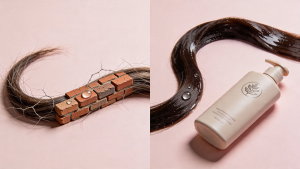
Think of your hair strand like a rope. When the rope is damaged (due to coloring, heat, or manipulation), its outer fibers fray and create holes. These holes make the hair weak, fragile, and unable to hold moisture effectively.

When you apply a protein treatment, you are coating the hair with fragmented protein molecules that are small enough to penetrate the outer layer (the cuticle) and fill in the gaps and breaks along the hair shaft.

  • Cuticle repair: Proteins like hydrolyzed keratin or wheat protein temporarily attach to the damaged parts of the cuticle. This action smooths the cuticle layer, making the hair stronger, less porous, and able to reflect more shine.
  • Restored elasticity: A proper protein‑moisture balance allows the hair to stretch under tension and spring back without breaking. When you lose protein, your hair over‑stretches and breaks easily — this is the classic sign of moisture overload.
  • Increased density: By filling in the porous holes, protein treatments can make the hair feel thicker and provide much‑needed structure and definition, especially for waves and curls that have become limp.
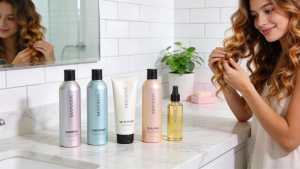
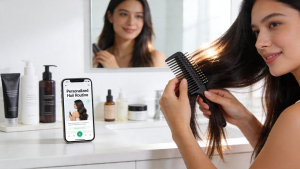
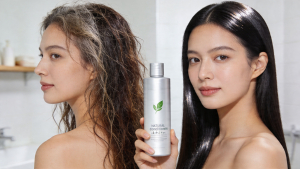
Woman running hands through long, healthy hair
With the right protein–moisture balance, hair regains smoothness, strength, and elasticity.

Key Ingredients in Protein Treatments

Not all proteins are created equal. The size of the molecule determines its function: small proteins penetrate the cuticle, while large proteins coat the exterior for protection.

Protein Ingredient Source Molecular Size Main Function
Hydrolyzed Keratin Wool, feathers, animal sources Small / Medium Highly effective at rebuilding the hair structure; penetrates deep into the cortex.
Hydrolyzed Wheat Protein Plant‑based Small Excellent penetrator; binds moisture, adds volume, and minimizes porosity.
Silk Protein / Amino Acids Silk fibers, plant or animal sources Very small Penetrate deeply to repair damage; often used in lighter leave‑in sprays for daily use.
Hydrolyzed Collagen Animal sources Medium / Large Primarily coats the hair shaft to reduce breakage and add external strength and thickness.

🚨 The Tell‑Tale Signs You Need a Protein Treatment

Determining if your hair is hungry for protein or thirsty for moisture is the most crucial step in creating an effective routine. Here are the clear indicators that your hair needs a boost from a concentrated hair protein treatment:

1. Severe Breakage and Shedding

If you notice small, broken fragments of hair (not full strands with a root bulb) after washing or styling, this signals brittleness and weakness in the hair shaft. The hair is losing its tensile strength, which protein helps to restore.

2. Mushy or Wet‑Stretch Hair (Hygral Fatigue)

This is the clearest sign of moisture overload and structural damage. When wet, the hair feels overly soft, almost like mush, and stretches excessively—sometimes up to twice its normal length—before snapping. This indicates that the hair’s internal bonds have been damaged, allowing too much water to rush in. Protein acts as the temporary patch that prevents excessive water absorption.

3. Limpness and Loss of Curl Definition

If your wavy or curly hair is constantly limp, soft, and feels over‑conditioned despite trying different products, it may lack the necessary structural framework. Protein treatments help provide internal scaffolding, restoring the bounce and improving the longevity of your style.

4. High Porosity Hair

High porosity hair has an overly raised or damaged cuticle (often due to heat, color, or chemical processing). This means moisture enters easily, but escapes just as fast. Hair protein treatment helps to temporarily fill the gaps in the cuticle, slowing down moisture loss and reducing frizz.


Understanding Types of Protein Treatments

Protein treatments come in various formats, offering different levels of intensity and longevity:

1. Deep Protein Masks (Intense Treatment)

These are high‑concentration formulas, often containing hydrolyzed keratin or strong wheat proteins. They are applied after shampooing, sometimes with heat (like a processing cap), and left on for 10–30 minutes.

Best for: Severely damaged, color‑treated, or high porosity hair.

Frequency: Used sparingly, usually once every 4–8 weeks.

2. Light Protein Conditioners & Leave‑In Sprays

These products contain smaller amounts of lighter, penetrating proteins like silk amino acids or hydrolyzed soy protein. They are gentle enough for daily or weekly use.

Best for: Maintenance, or low porosity hair that needs a gentle boost without overload.

3. Bond Repair Products vs. True Protein

Bond repair products (for example, those with oligopeptides or Bis‑Aminopropyl Diglycol Dimaleate) work inside the cortex to repair broken disulfide bonds caused by bleaching or heat. They are a deep chemical repair and are not technically a protein treatment, though they often contain complementary amino acids.

True protein treatments based on hydrolyzed proteins work primarily on the cuticle and cortex by filling physical gaps and strengthening the overall keratin structure.

4. Professional Salon Treatments (e.g., Keratin Treatments)

These are semi‑permanent smoothing treatments that use high heat to temporarily alter the hair’s structure, usually to reduce curl and frizz. They are very different from restorative, deep‑conditioning protein treatments and should be chosen carefully based on hair goals.


Hair Porosity and Protein: Finding the Right Balance

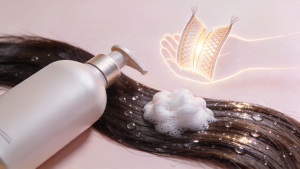
Woman applying hair mask to curly hair
Protein masks and leave‑ins should be applied with care, focusing on mid‑lengths and ends where damage is highest.

Your hair’s porosity—its ability to absorb and retain moisture—dramatically affects how it responds to a hair protein treatment.

High Porosity Hair (The Protein Ally)

Characteristics: Cuticles are raised, moisture loss is rapid, hair is prone to frizz.

Response to protein: High porosity hair loves protein. The protein molecules easily penetrate the open cuticles and temporarily fill the gaps, making the hair feel smoother, stronger, and less porous.

Recommendation: Can handle moderate to strong protein treatments (masks) every 4–6 weeks, plus regular use of light protein in leave‑ins or conditioners.

Low Porosity Hair (The Protein Challenger)

Characteristics: Cuticles are tightly closed, product sits on the surface, prone to buildup and stiffness.

Response to protein: Low porosity hair can easily suffer from protein overload. Since the cuticles are already closed, proteins (especially larger ones) just sit on the surface, leading to stiffness, dryness, and brittleness.

Recommendation: Use protein very sparingly. Opt only for light, deeply penetrating proteins (like silk or wheat amino acids) in leave‑in sprays or rinse‑out conditioners, no more than once every 6–8 weeks.


đźš« Navigating Protein Overload: Symptoms and Solutions

The biggest mistake people make with a hair protein treatment is using it too often or using products that are too strong for their hair type, leading to protein overload.

Symptoms of Protein Overload

  • Hardness and stiffness: Hair feels rigid, dry, and almost brittle, even immediately after conditioning.
  • Loss of elasticity: Hair snaps easily with minimal stretch when wet or dry.
  • Extreme frizz and tangles: Strands become so stiff they cannot move flexibly, leading to friction and uncontrollable frizz.
  • Lack of shine: The hair surface becomes rough and dull.

How to Fix Protein Overload

  • Clarify: Use a clarifying shampoo to completely remove all surface protein residue.
  • Hydrate heavily: Follow up with an intense, protein‑free deep conditioning mask (using steam or heat for 30+ minutes).
  • Avoid protein: For the next 2–4 weeks, strictly avoid all products containing protein ingredients.
  • Check your products: Use an ingredient analysis tool like IsItClean.app to verify that your conditioners and leave‑ins are protein‑free until balance is restored.

🔬 Ingredients to Look For and Ingredients to Avoid

When shopping for products, you need to become an ingredient detective.

Key Ingredients Indicating Protein Content (Look for These!)

Any ingredient with the word “Hydrolyzed” means the protein has been broken down to a size small enough to penetrate the hair shaft.

  • Hydrolyzed Keratin
  • Hydrolyzed Wheat / Soy / Rice / Silk Protein
  • Amino Acids (e.g., Silk Amino Acids, Wheat Amino Acids)
  • Peptides (Oligopeptides, Polypeptides)
  • Collagen (often listed as Hydrolyzed Collagen)

Ingredients to Avoid During Protein Overload

If you are suffering from protein overload or are extremely protein‑sensitive (common in low porosity hair), you must temporarily avoid all the ingredients listed above.

You should also check for harsh ingredients that mimic protein overload, such as:

  • Drying alcohols: Strip moisture and cause stiffness, often compounding the symptoms of protein sensitivity.
  • Aggressive sulfates: Dry the hair out, which can be mistaken for protein overload symptoms.

To be certain about your product’s composition, use a reliable tool. Before you purchase a new deep conditioner or mask, check its list with IsItClean.app. Our AI ingredient checker quickly analyzes the formula and highlights if it contains high concentrations of proteins, silicones, or drying alcohols that could sabotage your hair protein treatment efforts or contribute to overload.


📝 Practical Guide: Implementing Your Hair Protein Treatment

Achieving the perfect protein‑moisture balance is an art, not an exact science, but a structured routine makes it manageable.

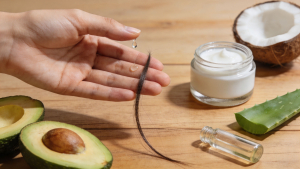
Hair care products for protein and moisture routine
Choose protein treatments and moisturising products that match your hair type and current needs.

Step‑by‑Step Application Guide

  1. Clarify (optional but recommended): Use a clarifying shampoo to remove any buildup (oils, silicones, residues) that could block the protein from penetrating the hair shaft.
  2. Apply the protein treatment: Squeeze out excess water. Apply the mask or treatment evenly, focusing on the most damaged areas (ends, color‑treated sections). Avoid putting heavy treatment directly on the scalp.
  3. Process with heat (recommended): Cover your hair with a plastic cap and apply gentle heat for the time specified on the product (usually 15–30 minutes). Heat helps the protein molecules penetrate deeper into the hair shaft.
  4. Rinse thoroughly: Rinse the treatment completely with lukewarm water.
  5. Follow with deep moisture (critical step): Immediately follow up with a dedicated protein‑free, deeply moisturizing conditioner or mask to restore flexibility and elasticity.
  6. Style: Finish your routine with your regular styling products.

Balancing Protein and Moisture in Your Weekly Routine

Routine Component High Porosity / Damaged Hair Low Porosity / Healthy Hair
Deep Condition Once a week (alternate protein and moisture) Once a week (moisture only)
Protein Treatment Once every 4–6 weeks (strong mask) Once every 6–8 weeks (light leave‑in or rinse‑out)
Daily Products Use light protein (amino acids) in leave‑ins Use protein‑free leave‑ins and stylers

✨ The Benefits of a Balanced Protein Routine

Incorporating the right amount of hair protein treatment into your routine yields powerful, visible results:

  • Stronger hair: Reinforces the hair shaft, making it more resilient to daily stress and manipulation.
  • Reduced breakage: Dramatically minimizes snapping, especially in chemically treated or high porosity hair.
  • Improved curl definition: Provides the necessary internal structure to help curls and waves spring back into shape.
  • Restored elasticity: Balances the hair’s ability to stretch and return without damage, fixing the mushy, wet‑stretch feeling.
  • Better styling longevity: Smoother cuticles and stronger strands hold definition longer, fighting off frizz and humidity.

âť“ Frequently Asked Questions (FAQ)

What is a hair protein treatment?

A hair protein treatment is a conditioning product, usually a mask or spray, that contains high concentrations of hydrolyzed proteins (such as keratin, wheat, or silk). These molecules are small enough to temporarily fill gaps and damage in the hair cuticle and cortex, restoring strength and structure.

How do I know if I need protein or moisture?

Perform the “wet stretch test.” When wet, if your hair stretches excessively and feels weak or mushy before snapping, you need protein. If your hair is hard, stiff, and snaps immediately with little to no stretch, you need moisture.

Can protein treatments help curly hair?

Yes, absolutely. Protein treatments are essential for curly and coily hair, which is naturally more fragile and prone to breakage. Protein restores the hair’s internal structure, which is critical for defined, long‑lasting curl patterns and preventing the limpness caused by over‑moisturizing.

How often should I use a hair protein treatment?

For severely damaged or high porosity hair, a strong mask may be needed every 4–6 weeks. For relatively healthy or low porosity hair, a treatment every 6–8 weeks, or simply using light protein in a weekly conditioner, is sufficient. Overuse leads to protein overload.

What causes protein overload?

Protein overload occurs when there is too much protein deposited on the hair shaft relative to the moisture content. This makes the hair stiff and brittle because it lacks the flexibility and lubrication provided by moisture. It is caused by using strong protein products too frequently or using protein‑rich products on low porosity hair.

Can low‑porosity hair use protein?

Yes, but sparingly and carefully. Low porosity hair requires smaller, more penetrating proteins like silk or wheat amino acids, rather than large‑molecule proteins like collagen. They should only be used every 6–8 weeks to avoid stiffness and buildup.

Which ingredients indicate a product is protein‑rich?

Look for ingredients with the word “hydrolyzed,” such as Hydrolyzed Keratin, Hydrolyzed Wheat Protein, Hydrolyzed Silk, or simply Amino Acids or Peptides.


Conclusion

The health of your hair relies on a delicate seesaw balance between moisture and protein. A well‑timed hair protein treatment can be the single most effective intervention for restoring damaged hair, improving elasticity, and bringing back the glorious definition your waves and curls were meant to have.

However, awareness is power. The only way to master this balance is by knowing exactly what is in your products. Before you embark on your protein journey, you must first verify your existing products.

Stop guessing and start analyzing. Use the AI‑powered ingredient checker at IsItClean.app today to scan your shampoos, conditioners, and masks. Determine if your current stash already contains high levels of protein that could contribute to overload, or if you are unknowingly using harsh ingredients that are sabotaging your efforts. A clean, balanced routine starts with clean, informed ingredients.

Ready to Check Your Hair Products?

Use IsItClean's free AI-powered ingredient checker to analyze your shampoos, conditioners, and hair treatments.

Try IsItClean Free