Protein Hair Mask đź’Ş • 15 min read
Top Protein Hair Masks for Damaged Hair (2025 Guide)
From post-bleach breakage to heat damage, discover how to choose the best protein hair mask to rebuild your strands and restore strength, bounce, and shine.
If you follow hair trends in the United States, you know that 2025 has been the year of "skinification" for hair—treating our strands with the same active-ingredient focus we usually reserve for our faces. We are bleaching lighter, using hotter tools to achieve glass-hair looks, and experimenting with chemical treatments more than ever before. The inevitable downside to this creative freedom is damage.
When your hair feels straw-like or snaps off in your brush, standard conditioners often stop working. This is where the protein hair mask enters the conversation. Unlike regular conditioners that just smooth the surface, a high-quality protein mask is designed to rebuild the architecture of your hair strands.
Whether you are dealing with post-bleach breakage, heat damage, or just general wear and tear, understanding how to use a protein hair mask correctly is the difference between reviving your hair and accidentally making it worse. In this guide, we will break down the science of hair repair, how to spot protein deficiency, and review the top products on the shelves this year to help you find the best protein hair mask for your needs.
What Is a Protein Hair Mask?
A protein hair mask is a deep conditioning treatment that contains hydrolyzed proteins—proteins broken down into smaller molecules—that are small enough to penetrate the hair shaft or bond to the cuticle.
While a moisture mask is designed to hydrate the hair by trapping water (using humectants and emollients), a protein hair mask is designed to strengthen. Hair is made up of about 95% keratin, a fibrous protein. When hair is damaged, the keratin bonds are broken, leaving gaps in the hair structure. A protein hair mask fills these gaps, temporarily acting as a patch that restores integrity and rigidity to the strand.
It is important to note that not all masks labeled "repair" are true protein treatments. Some rely heavily on silicones to coat the hair, providing a cosmetic fix. A true protein hair mask for damaged hair will list ingredients like hydrolyzed keratin, silk amino acids, wheat protein, or soy protein high up on the ingredient list.
How Protein Hair Masks Help Repair Damaged Hair
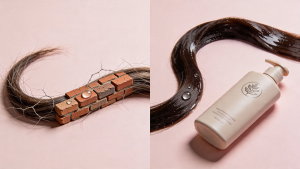
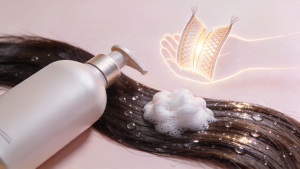
To understand why a hair protein treatment is necessary, you have to look at the anatomy of damaged hair. Healthy hair has a smooth outer layer called the cuticle, which looks like shingles on a roof. These shingles protect the inner cortex, where the hair's strength and elasticity live.
The Mechanics of Damage
When you bleach, color, or heat-style your hair, you are lifting or chipping away those cuticle shingles. This exposes the cortex to the elements, leading to moisture loss and structural weakness.
How Protein Helps
When you apply a protein hair mask, the proteins in the formula adhere to the hair shaft and fill in the spaces where the cuticle is missing or lifted. This does three main things:
- Reinforces the Structure: It hardens the hair shaft, making it less likely to snap under tension.
- Improves Elasticity: Healthy hair stretches and returns to shape. Protein helps restore this "bounce," preventing the hair from stretching until it breaks.
- Lowers Porosity: By filling gaps in the cuticle, protein helps the hair hold onto moisture better in the long run.
Signs Your Hair Needs a Protein Hair Mask
One of the biggest challenges in hair care is distinguishing between dry hair (which needs moisture) and damaged hair (which needs protein). If you use a protein hair mask on hair that is just dry, you might not get the results you want.
Here are the clear signs your hair is crying out for a protein treatment for hair:
1. The Elasticity Test Fails
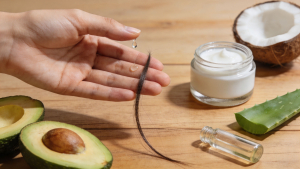
Take a strand of wet hair and gently stretch it. If it snaps immediately with no stretch, it is brittle and likely needs moisture. However, if it stretches and stretches like gum and doesn't snap back, or if it feels mushy, it is severely lacking protein.
2. Gummy or Mushy Texture
When wet, does your hair feel like cotton candy or mush? This is a classic sign of chemical damage where the internal structure has collapsed.
3. Limp, Stringy Hair
If your curls have completely lost their pattern or your straight hair hangs lifelessly despite volumizing products, the hair structure is too weak to hold its shape.
4. Excessive Shedding and Breakage
Finding short, snapped pieces of hair on your shirt or pillow (rather than full strands with the root bulb attached) indicates breakage mid-shaft, which protein can help stop.
🚨 Can a Protein Hair Mask Damage Hair?
You may have heard horror stories about protein treatments making hair feel like straw. This is a real phenomenon called protein overload.
Hair requires a delicate balance of protein (for strength) and moisture (for flexibility). If you use a strong protein hair mask too frequently, or if you apply it to low-porosity hair that doesn't need repair, the excess protein can harden on the hair shaft. This makes the hair stiff, brittle, and prone to snapping—the exact opposite of what you wanted to achieve.
To avoid this, you should always monitor how your hair feels after rinsing. If it feels hard or rough, you may need to pause the protein and switch to a deep moisturizing conditioner. Most modern consumer masks are formulated to be balanced, meaning they contain both protein and moisture to minimize this risk, but caution is still advised with professional-strength treatments.
Top Protein Hair Mask Products in 2025
There are hundreds of products on the market, but a few have risen to the top in 2025 due to their efficacy and popularity. Below, we review some of the most talked-about options to help you choose the best protein hair mask for your specific hair type.
1. Shiseido Fino Premium Touch Hair Mask
Key Ingredients: It features seven key essences, including Royal Jelly EX for moisturizing and PCA for strengthening and repairing. While it is heavily moisturizing, the amino acid complex acts as a mild protein reconstructor.
Protein or Moisture? It is a hybrid. It offers significant moisture with mild protein support.
Best for: Thick, coarse, or chemically treated hair that feels rough.
Potential Downsides: It contains silicones, which can be heavy for fine hair.
2. Shiseido Tsubaki Premium Repair Hair Mask
What it is: Another Japanese heavyweight, the Tsubaki Premium Repair mask is known for its "0-second wait time," meaning it penetrates instantly. It uses cutting-edge technology to widen the path of beauty ingredients into the hair shaft.
Key Ingredients: Camellia oil, pearl protein, and royal jelly. The pearl protein is the star structural ingredient here.
Protein or Moisture? Balanced, but with a stronger focus on repair and shine than the Fino mask.
Best for: Busy users who want instant repair without waiting 10 minutes in the shower. Great for dull, lackluster hair.
Potential Downsides: The floral scent is quite strong.
3. Garnier Ultimate Blends Honey Hair Mask
What it is: A drugstore staple, often marketed as "Honey Treasures." This mask focuses on the strengthening power of hive ingredients.
Key Ingredients: Honey, Propolis, and Royal Jelly. Propolis is a natural resin collected by bees that is known for its protective and strengthening properties.
Protein or Moisture? It leans more toward moisture and elasticity, but the Propolis acts similarly to a mild protein by reinforcing the strand.
Best for: Hair that is prone to breakage but not severely chemically damaged. Good for maintenance.
Potential Downsides: It may not be strong enough for bleached platinum hair.
4. Garnier Ultimate Blends Honey Treasures Hair Remedy Mask
What it is: This is often the "pot" version of the remedy line, formulated to be richer and more intensive than the standard conditioner.
Key Ingredients: Acacia Honey and beeswax. It focuses on sealing split ends and reducing breakage caused by brushing.
Protein or Moisture? Primarily a moisture and sealing mask. While it reduces breakage, it lacks potent hydrolyzed proteins found in heavy-duty reconstructors.
Best for: Daily wear and tear, mechanical damage (brushing), and dry ends.
Potential Downsides: Can be waxy if not rinsed out thoroughly.
5. Garnier Ultimate Blends Rice Water Infusion Hair Mask
What it is: Inspired by the ancient tradition of rinsing hair with rice water, this mask is specifically marketed for long hair retention.
Key Ingredients: Rice water and starch. Rice proteins are excellent for expanding the hair diameter and adding structural support.
Protein or Moisture? This is a true protein hair mask (albeit a gentle one). Rice protein adds grit and strength to slippery hair.
Best for: Fine to medium hair that needs volume and strength without being weighed down by heavy oils.
Potential Downsides: Can leave hair feeling slightly textured or "stiff" if used too often, due to the starch content.
6. Garnier Fructis Hair Food Papaya Mask
What it is: A 3-in-1 mask (conditioner, mask, leave-in) that is incredibly popular for its clean formula and lack of silicones.
Key Ingredients: Papaya extract and vegetable oils.
Protein or Moisture? Despite being marketed for "repair," this is almost entirely a moisture mask. It repairs by hydrating brittle strands rather than rebuilding bonds with protein.
Best for: Curly girl method followers and those who need pure hydration.
Potential Downsides: If you are looking for a structural protein treatment for hair, this will likely be too soft for you.
7. Garnier Fructis Hair Food Pineapple Mask
What it is: The "Long Hair" version of the Hair Food line, designed to prevent split ends and breakage so hair can grow longer.
Key Ingredients: Pineapple extract and lipids.
Protein or Moisture? Like the Papaya version, this is primarily a moisture mask. It focuses on shine and slip to prevent mechanical breakage.
Best for: Long hair that tangles easily; dull hair needing a gloss boost.
Potential Downsides: Lacks the heavy-hitting hydrolyzed proteins needed for bleached hair.
8. Garnier Original Remedies Mask (Castor Oil)
What it is: In Europe and other markets, the "Original Remedies" line includes a Castor Oil variant that specifically targets weak, falling hair.
Key Ingredients: Castor oil and maple sap.
Protein or Moisture? Castor oil is strengthening, but this is largely a nourishing moisture mask.
Best for: Very dry, damaged hair that needs heavy oils to feel soft again.
Potential Downsides: Very heavy; can weigh down fine hair easily.
How to Choose the Right Protein Hair Mask for Your Hair Type
Not every protein hair mask works for every head of hair. Choosing the wrong one can lead to greasy roots or stiff ends.
| Hair Type | What to Look For | Recommended Product |
|---|---|---|
| Fine or Thin Hair | Volumizing proteins like Rice or Wheat Protein. Avoid heavy butters. | Garnier Rice Water Infusion |
| Thick or Coarse Hair | Keratin or Collagen paired with oils like Argan or Avocado. | Shiseido Fino |
| Curly Hair | Balanced masks with hydrolyzed silk and moisturizing alcohols. | Anti-breakage balanced masks |
| Bleached/Chemically Treated | Hydrolyzed Keratin or Bond Building technology. | Professional reconstructors |
| Low Porosity Hair | Use protein sparingly (once a month). Focus on hydration. | Light leave-in sprays only |
How Often Should You Use a Protein Hair Mask?
The frequency of using a protein hair mask depends on your damage level:
- Severe Damage (Gummy when wet): Use a balanced protein-moisture mask once a week.
- Moderate Damage (Heat styling/Color): Use a protein treatment for hair every 2 weeks.
- Healthy/Virgin Hair: Use once every 4–6 weeks for maintenance, or stick to moisturizing masks.
Always listen to your hair. If it feels strong and rigid, skip the protein for a few weeks.
📝 How to Apply a Protein Hair Mask Correctly (Step-by-Step)
To get salon-worthy results at home, application is key.
- Shampoo Thoroughly: Protein cannot penetrate oil or product buildup. Use a clarifying shampoo or a good sulfate-free cleanser. Do not condition yet.
- Squeeze Out Water: Gently towel-dry your hair. If your hair is soaking wet, the protein hair mask will slide right off.
- Section and Apply: Divide hair into four sections. Apply the mask generously from mid-lengths to ends. Use a wide-tooth comb to ensure every strand is coated.
- Add Heat (Optional): For low porosity or very damaged hair, put on a shower cap and wrap a hot towel around it. The heat opens the cuticle, allowing the protein to sink deeper.
- Wait: Follow the instructions on the jar. Usually, 5 to 15 minutes is sufficient. Do not leave a strong protein mask on overnight, as this can cause brittleness.
- Rinse and Seal: Rinse thoroughly with cool water to close the cuticle. If you used a very strong protein-only treatment, follow up with a light moisturizing conditioner to restore softness.
🔬 Ingredient Safety & Clean Beauty Perspective
As we become more conscious consumers, looking at the back of the bottle is just as important as the front. Many hair masks contain preservatives, synthetic fragrances, or allergens that can irritate the scalp or cause long-term health concerns.
For example, some "smoothing" masks use formaldehyde releasers to artificially flatten the cuticle, which can be harmful. Others rely on high concentrations of synthetic fragrance (parfum), which is a top allergen.
If you are navigating the world of clean beauty and want to ensure your protein hair mask is safe for you and your family, it is helpful to verify the ingredients. You can use tools like Is It Clean to check protein hair mask ingredients for safety, allergens, and clean beauty ratings. This allows you to quickly scan a product to see if it contains carcinogens, reproductive toxins, or harsh irritants before you buy.
Protein Hair Mask vs. Moisture Hair Mask: Which Do You Need?
To summarize the difference clearly:
| Mask Type | Hair Symptoms | What It Does |
|---|---|---|
| Moisture Mask | Dry, rough, tangled, dull hair | Adds water and oil for hydration |
| Protein Mask | Limp, mushy, stretching, breaking hair | Adds structure and strength |
If you are unsure, try the "wet stretch test" mentioned earlier. When in doubt, start with a moisturizing mask. If that doesn't fix the breakage, your hair likely has structural gaps that only a protein hair mask can fix.
âť“ Protein Hair Mask FAQs
What is the best protein hair mask for damaged hair?
There is no single "best" mask, but products containing hydrolyzed keratin or bond-building technology are generally superior for damaged hair. For thick hair, Shiseido Fino is a top contender; for fine hair, rice water-based masks are excellent.
Can protein hair masks cause breakage?
Yes. If used too often or left on too long, protein can make the hair shaft rigid and brittle, leading to breakage. This is known as protein overload.
How do I know if my hair needs protein or moisture?
If your hair feels dry, rough, and tangles easily, it needs moisture. If it feels gummy, mushy when wet, limp, or sheds excessively, it needs protein.
Is a protein hair mask good for bleached hair?
Absolutely. Bleaching destroys the hair's natural protein bonds. A protein hair mask is essential for maintaining the integrity of bleached hair and preventing it from snapping.
Can curly hair use protein hair masks?
Yes, curly hair benefits greatly from protein, as it helps the curls hold their shape and bounce. However, curly hair also needs plenty of moisture, so look for balanced masks.
How often should you use a protein hair mask?
For most damaged hair, every two weeks is a safe starting point. For severely damaged hair, weekly may be necessary, while healthy hair only needs it monthly.
Are Japanese hair masks like Fino and Tsubaki good for protein repair?
Yes, they are excellent. They combine advanced delivery systems with ingredients like royal jelly and pearl protein to offer deep repair, though they are often richer in silicones than Western "clean beauty" brands.
Can I use a protein hair mask weekly?
You can, provided your hair is damaged enough to require it. If you have healthy or low-porosity hair, weekly use might lead to stiffness. Always monitor your hair's texture.
Final Thoughts & Takeaways
Repairing damaged hair is a journey, not an overnight fix. While no product can fully glue a split end back together permanently, a high-quality protein hair mask is the most effective tool we have to reinforce the hair shaft and prevent future breakage.
The key to success in 2025 is balance. Don't rely on protein alone; alternate with hydration to keep your hair soft and pliable. Whether you opt for a high-tech Japanese treatment like the Shiseido Tsubaki or a natural-inspired option from Garnier, consistency is what will ultimately save your strands.
By understanding your hair type and choosing a protein hair mask for damaged hair that fits your specific needs, you can restore bounce, shine, and strength to even the most stressed-out tresses.
Before you purchase your next protein mask, make sure you know exactly what's inside. Use our AI-powered ingredient checker to scan any product and verify it's safe, effective, and right for your hair goals.